Column
With what
— can you do without?
The episode is called The hunt for sentimental value in a sea of things. And what is being done to save it. Norwegians are world-leading when it comes to waste. What does that do to our relationship with our things?
The theme is not new; I have long explored it, and perhaps it has actually been the main guiding thread in both my work and my own life for the last 15 years. The interesting thing is that the times I have explored consumption bans, which I did among other things in climate experiment of mine in 2017. I felt that the freedom it gave to not have to deal with new things and trends provided a creative space in managing with what I already had, which gave a lot of replenishment and energy. It did not feel like a loss in any way.
My interest in materials, repair, and craftsmanship has increased throughout, and even though I still have a long way to go, I notice that walking into a “fast-fashion” store with endless racks of polyester clothes or seeing a finn.no ad for a newly built apartment in a grey palette gives me nothing. It is perhaps a little strange that I, as a resource economist, should become so preoccupied with materials? In exploring what provides value in a life, materials, light, nature, and people play a completely different role than what game theory and utility maximization once taught me.
The first week the nursery was open again after the summer, my husband and I finally managed to get down to the National Museum to see the exhibition on the work of architect Wenche Selmer. It has been on the list since it opened, but there just hadn’t been room in the calendar until then. It felt like such a luxury to have a whole day to just immerse yourself in an exhibition, like the ultimate gift.
I have been interested in her work for a while, somewhat coincidentally after my friend and business partner Marte Garmann connected me with her mother, and Wenche Selmer is her grandmother. We were going to Trondheim to jury student work from the “Three Houses” master’s course led by Fredrik Lund. They had designed proposals for cabins built from their own timber for the site we are developing at Vefaldneset. We were invited to Eileen Garmann’s home for lunch, and it was in her archive that I was first introduced to Selmer’s work, but more than anything, her mindset. Eileen shared the same starting point of sobriety, but had taken her interest further into building conservation, activism, and community building.
Some of the drawings she pulled out showed how they had transformed a garage at their summer place into a cabin that met all the needs of a family of 5, inspired by the cabin on Beltesholmen. What I remember are elements like the “daybed”; the cabin’s ultimate cosy corner, which had reading lights, storage underneath, and enough cushions for a small crowd. The ceiling storage for oars and the outdoor kitchen in an “indoor/outdoor” zone with a transparent, affordable, but still aesthetically executed roof.
I don’t think I had fully understood this combination of mindsets until yesterday—being able to limit yourself while having such well-considered choices directly linked to human needs, where not only the primary ones are covered, but also balanced by aesthetics and beauty as an essential nourishment for our soul, and perhaps our nervous system? In the exhibition, it becomes clear that the economy also sets a limitation, especially when it comes to space.
As a resource economist, I have explored this myself in what I have chosen to invest resources in, and my goal has always been a good and meaningful life, not the maximization of profit that was pervasive in most subjects during my studies. We never really learned this practice during our studies; NMBU wanted to take a position as the leader in sustainability studies, but if you genuinely wanted to understand sustainable resource comprehension, at least in the early 2000s, you largely had to think for yourself and stay alert.
The prioritisation of visits to aquaculture facilities in Sunnmøre, Nortura’s egg packing plant, or Mills’ innovation department provided few answers and little inspiration. Neither did the hours where we were supposed to try to calculate a value for natural resources like forest. Luckily, I had one subject, food culture, where the teacher, Erling Krogh, was actually an anthropologist at heart. What he taught was an understanding of how we as a people had allowed ourselves to be seduced into a process of remification; he talked about the guinea pig’s role in the food system in Peru, and he started the classes by playing “tenke sjæl” on the ukulele. Little did I know then that this man would become a common thread in my educational path, and that the people he has closest in his life would become my foremost role models and mentors.
Something Erling does in his own unique way is to place the human at the centre of everything he does. Curiosity about people and their experiences is his most important resource. I always thought that I was incredibly lucky to already know Erling because I was put together with a group of like-minded, creative artists and practitioners. That shaped at least as much of those two years at school together, both because we loved being together, but also in the extent to which we inspired one another. Today, I have understood that my experience with Erling was not unique. He is the one who is unique. Every student who shows interest in the PPU programme at NMBU in Nature Management is called personally, and before he calls, he takes the time to look into and try to understand this person and their search. Is there a more valuable quality in a teacher?
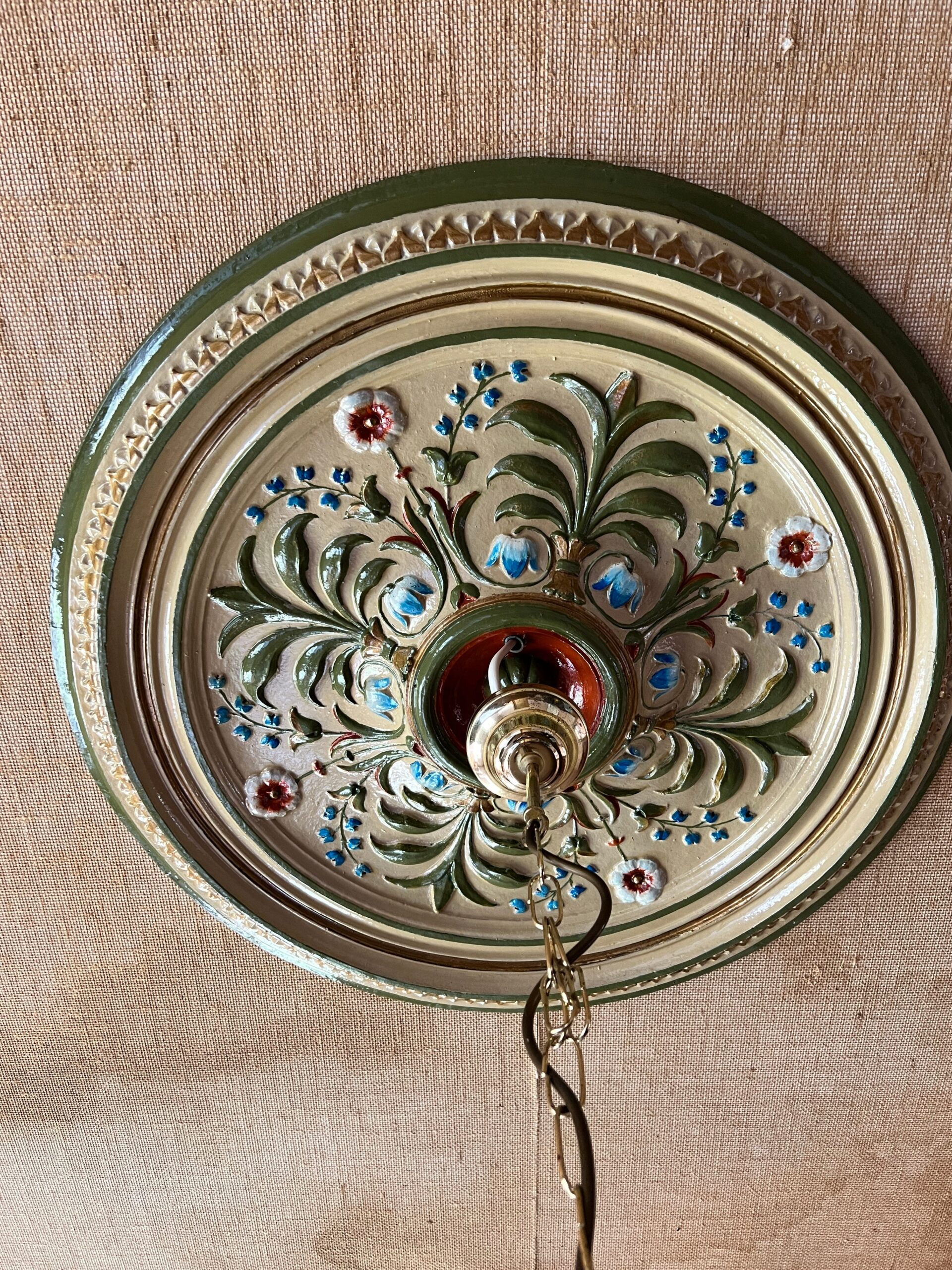
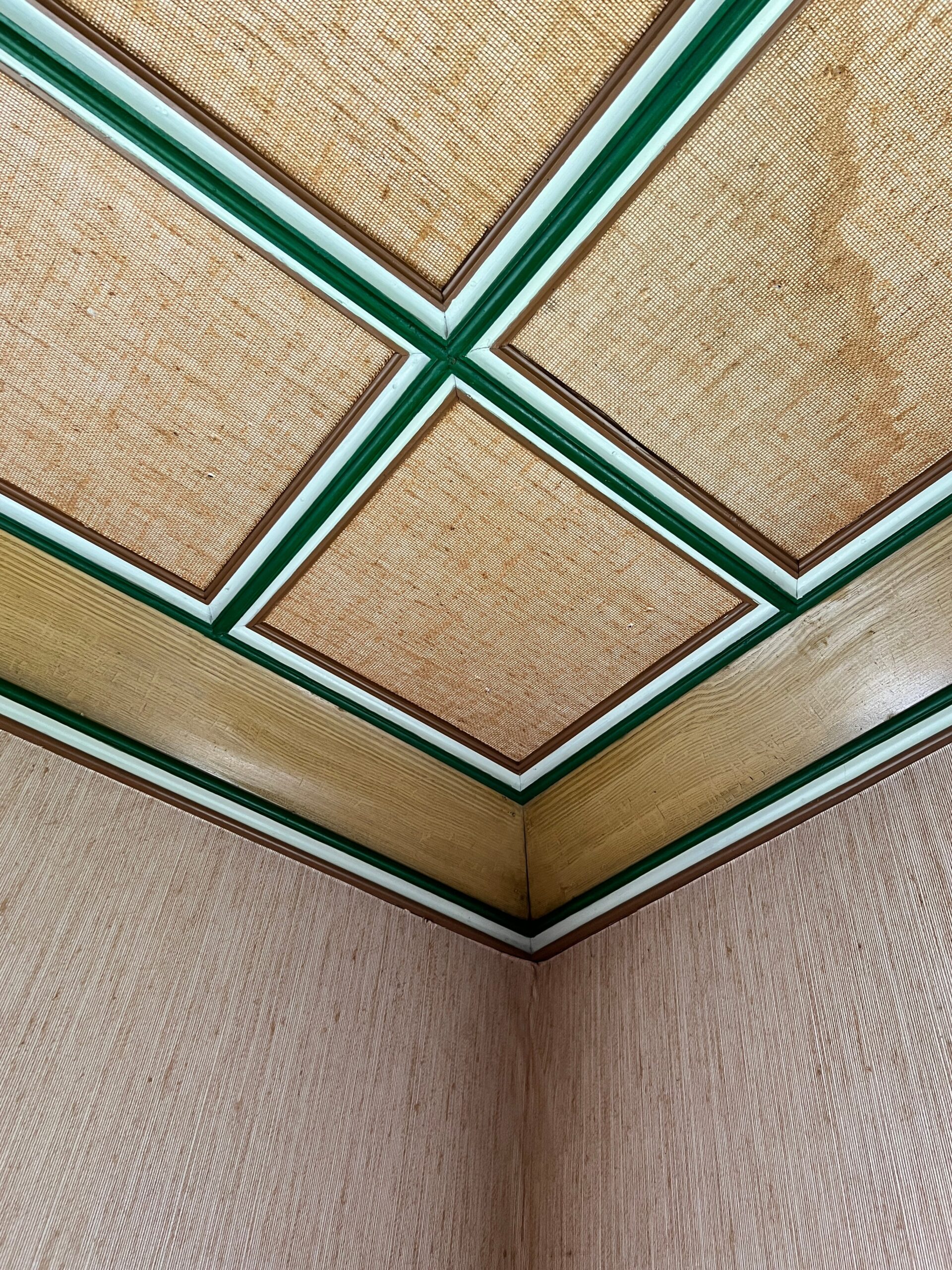
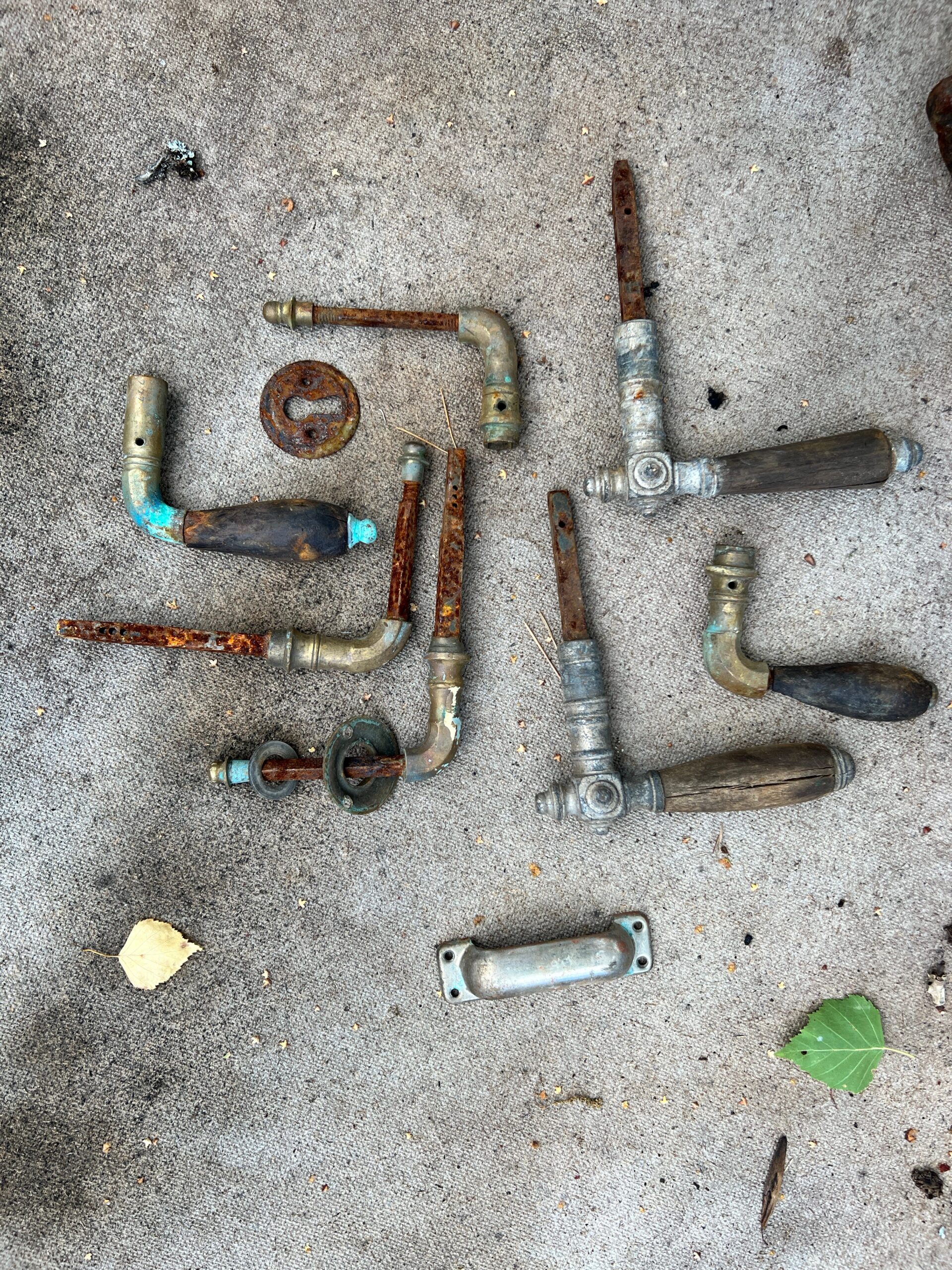
In summer, when our cabin was covered in soot after a chimney fire, the process I was forced into followed this question: “what can I do without?” It became quite clear to me that if we were to have a good life in a small space as a family of three, we had to carefully consider which things we really needed, but also which ones gave us something more. The result was that every cupboard was emptied, washed out, and every single object was handled to see if it deserved to be kept. A very clear distinction emerged; everything produced with a “throwaway” mentality was let go. The things that truly provided value, which I feared might be impossible to save, were typically things I had inherited, bought on a trip, owned for many years, and which had been produced to last, in a timeless way.
How we can cultivate this in everything we buy is still a question I explore every day. Right now, I am cheering on my husband Ingvar, who this summer has taken up fermentation as his big new hobby project. It is satisfying to buy my food from Tore Jardar, the co-operative farmer at Virgernes farm, and it brings more joy to wear my inherited 90s knit sweater, which is just as lovely after my mum, than to buy a new one, even if I realise it is trending among all the teenagers who suddenly pay me compliments. It takes a lot of work and knowledge to have a garden in the city while maintaining a small farm, but step by step we become wiser, more knowledgeable; we enjoy the process and every small victory. Whether it be that a wall is finished with four coats of linseed oil and basks in the glow of the evening sun. It is a truly satisfying process; it is slow and it cannot be forced, but it can truly be enjoyed once you get into the rhythm of it.
If you want to dive deeper into understanding more of this mindset, I recommend going to see the exhibition on Wenche Selmer at the National Museum, buying the book by Marte Garman Eget hus about Selmer’s private residence in Trosterudstien 1 and listen to today’s episode on Demo about the sentimental value of objects.
Photo top: Own cabin on Beltesholmen, National Museum
Photos below: Elisabeth Limi, Details Vefaldneset.