Pastevent
Sensory Experience
— At Novooi
When we worked with the corporate market 10–15 years ago, I found it hard to get them to understand what we were about. There was more focus on why we didn’t have enough glasses for all the different wines than on connecting with nature, the storytelling, and the sensorial experience. We’ve taken an almost 8-year break from that segment, and coming back now felt genuinely different. I don’t know if it’s because we’re in a different place as facilitators, or if it was just a perfect match with this group from Coop’s HR department. Or maybe people are simply more open, more curious, or more in need of switching off.
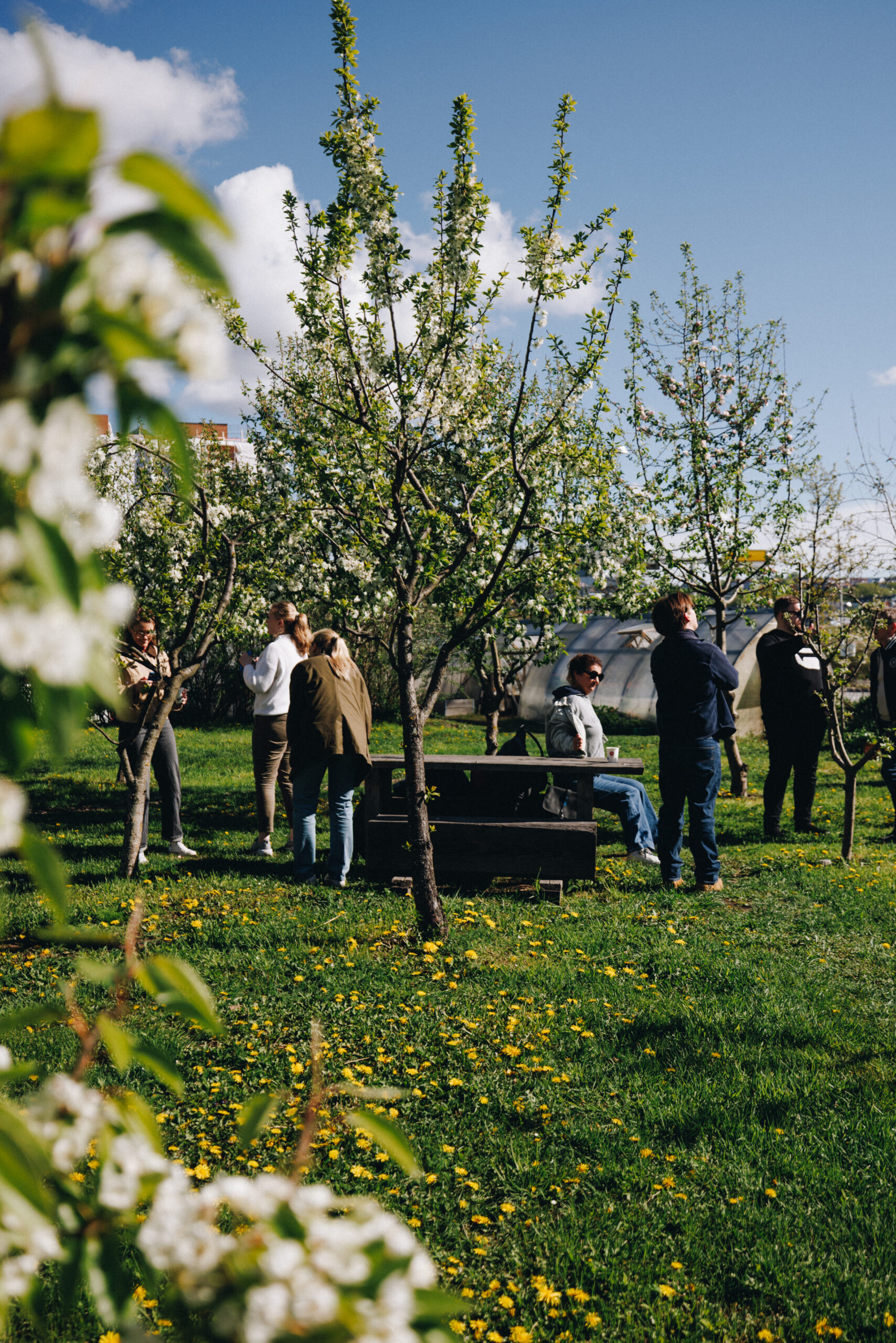
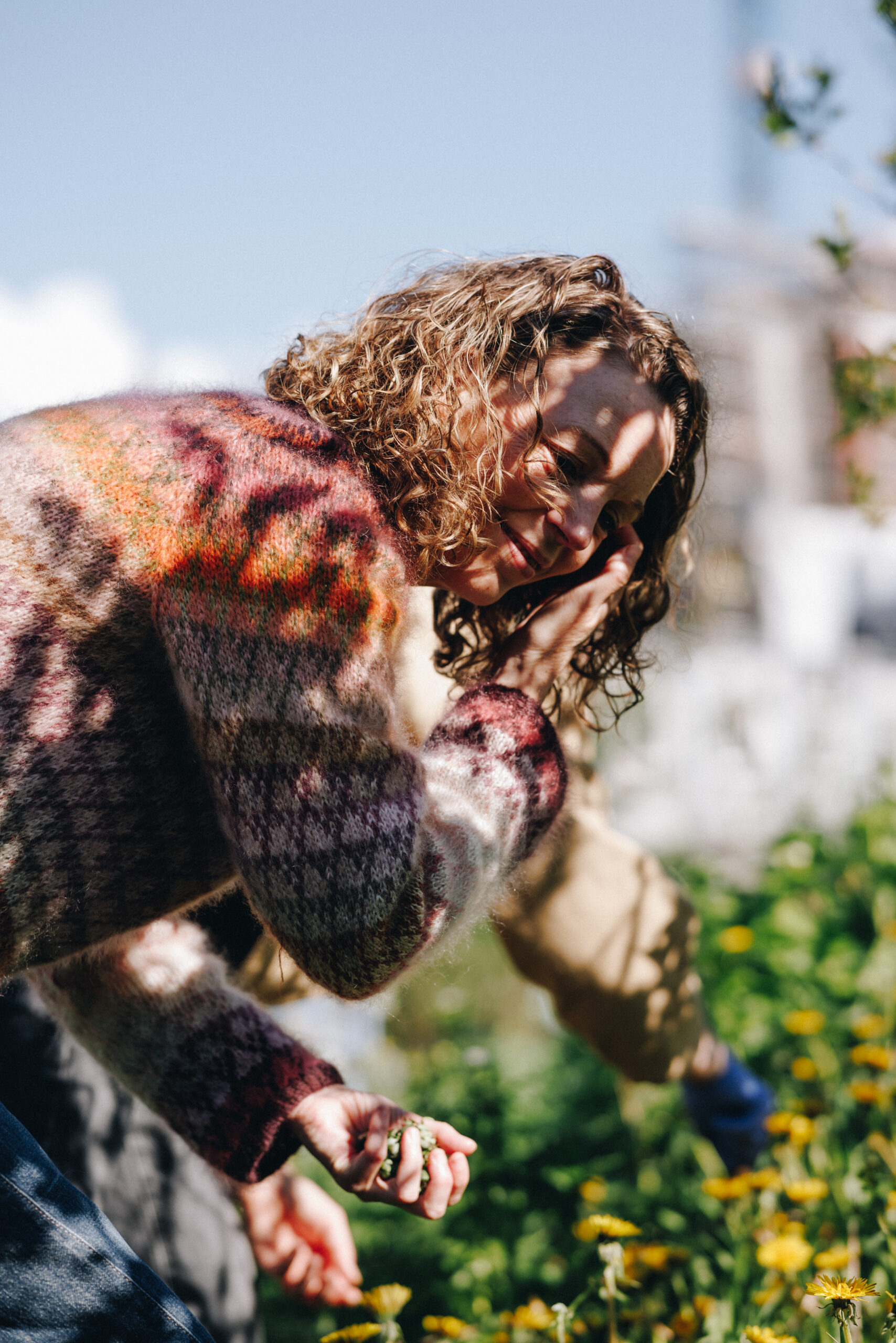
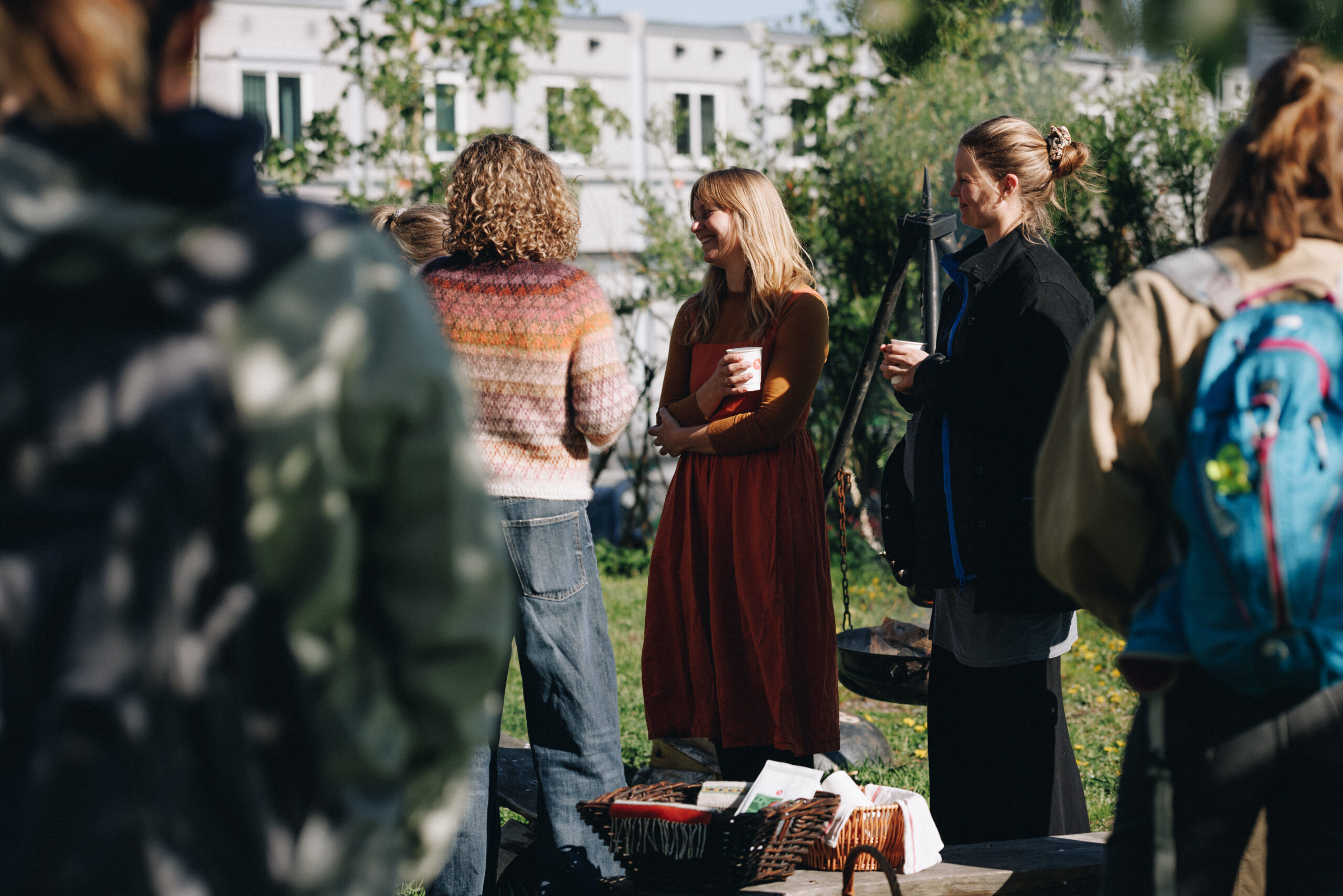
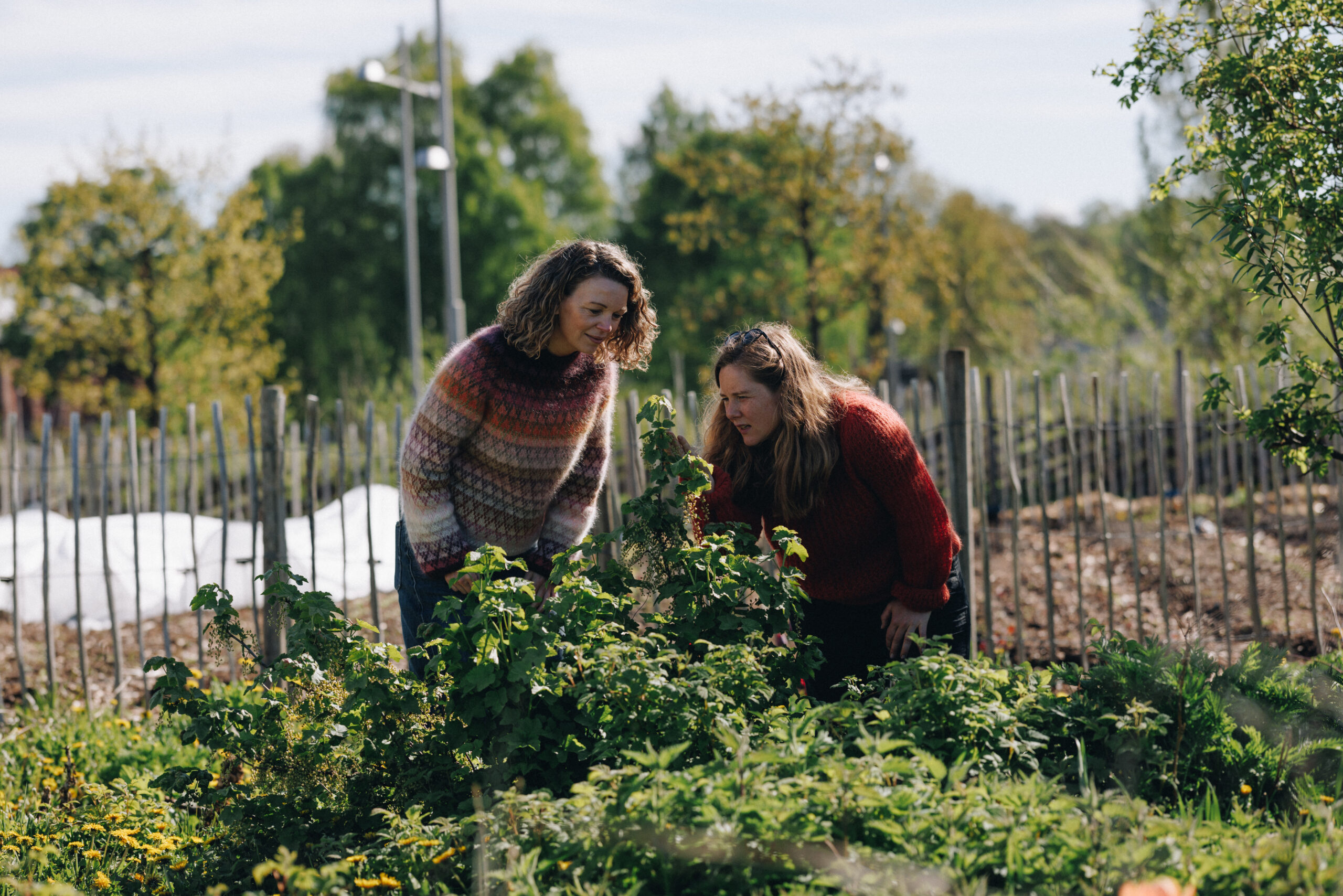
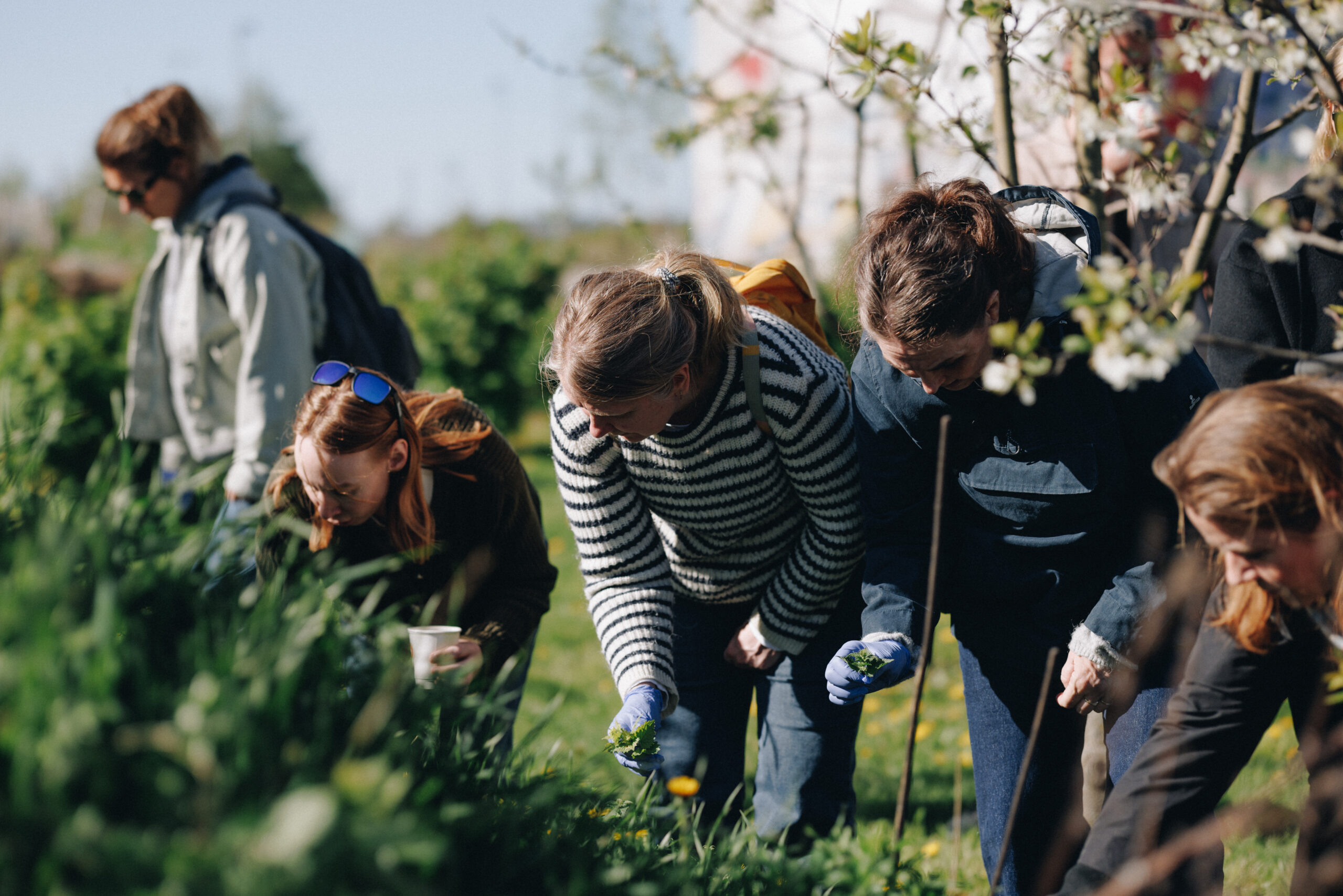
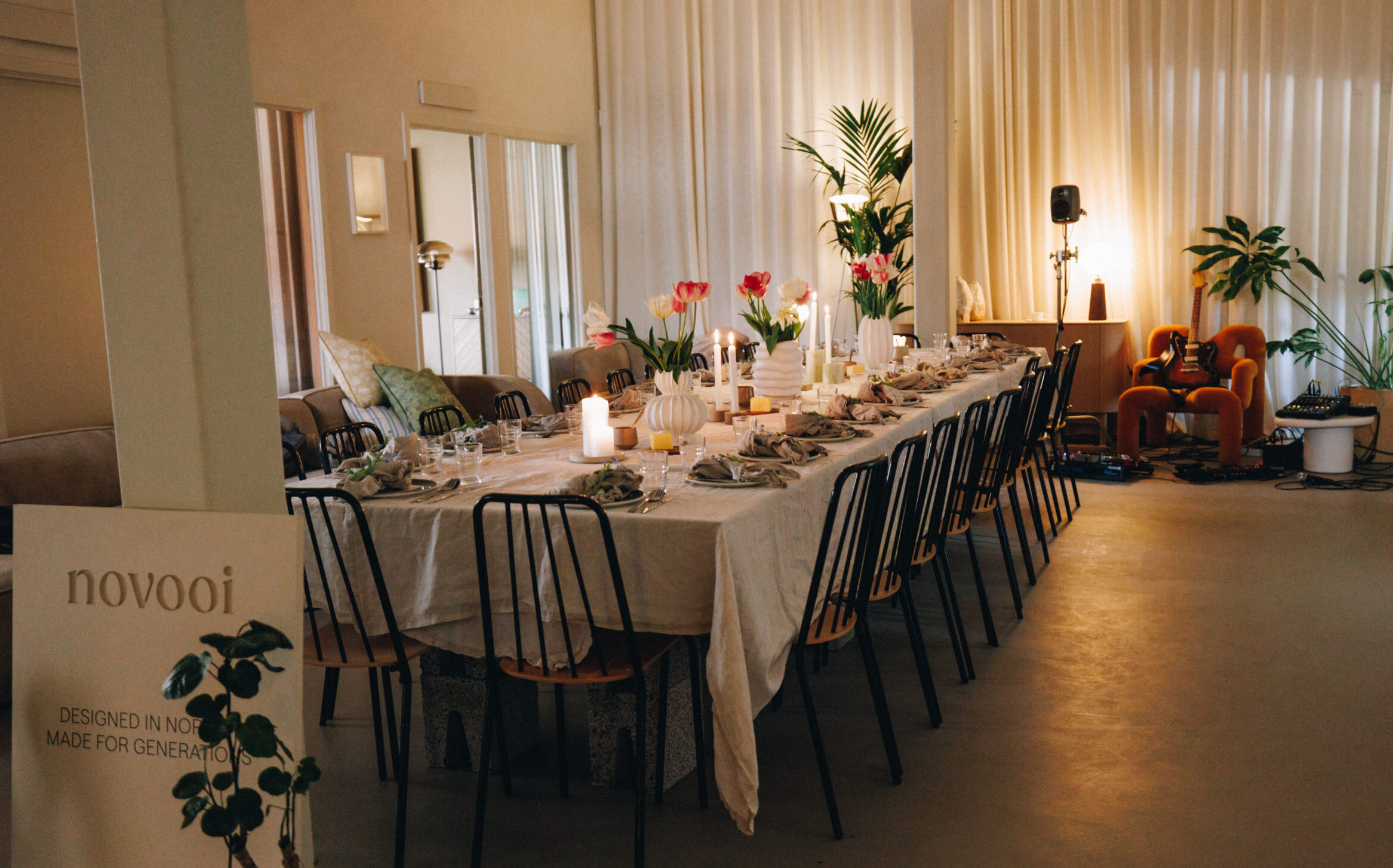
That last one was definitely what we felt our mission was. We were to create a space where it was possible to reconnect with the body, the senses, and co-create a meal. We met at Losæter, where we served campfire coffee (kokekaffe) from Fuglen, gave a short introduction to the history and development of the place, and then foraged dandelion leaves, nettles, rhubarb, and ground elder for our meal. From there the walk took us through the old town, past Fuglen, and into the industrial space at the far end, transformed by Lillian at NOVOOI into a design oasis. The contrast gives me the same feeling I often get in cities like New York, where people have truly maxed out the potential of what they have, whether it’s a garage, a warehouse, or a shed.
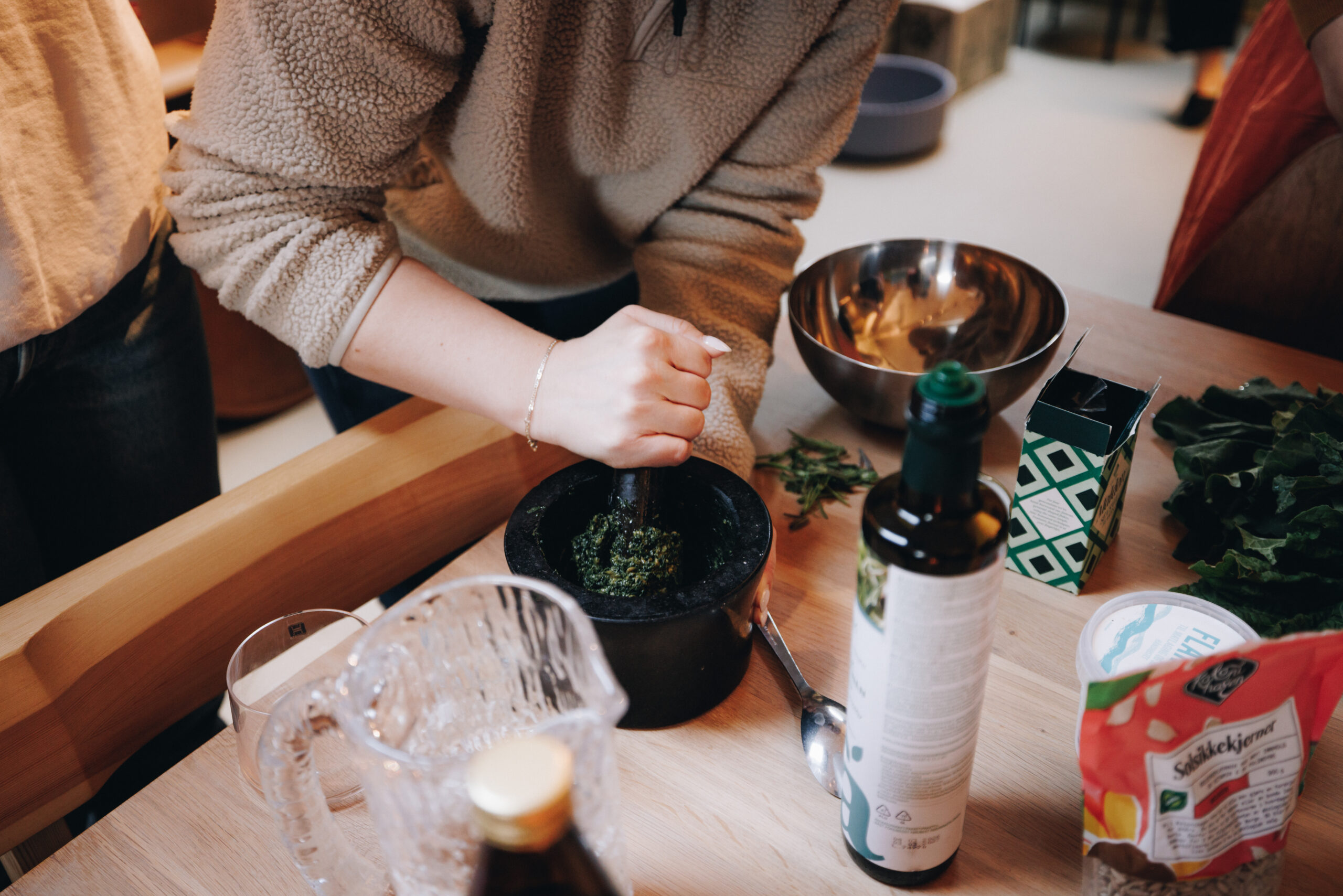
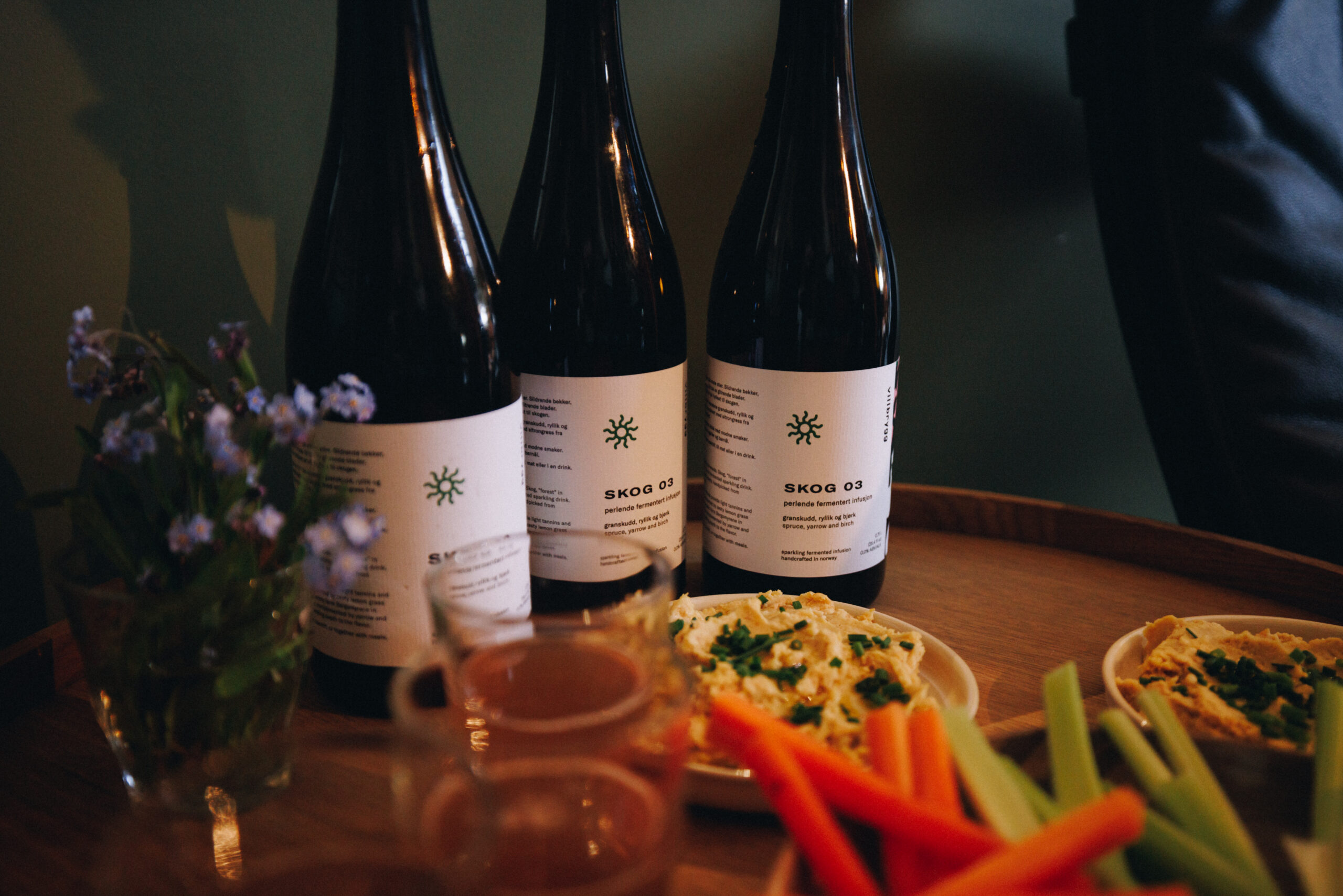
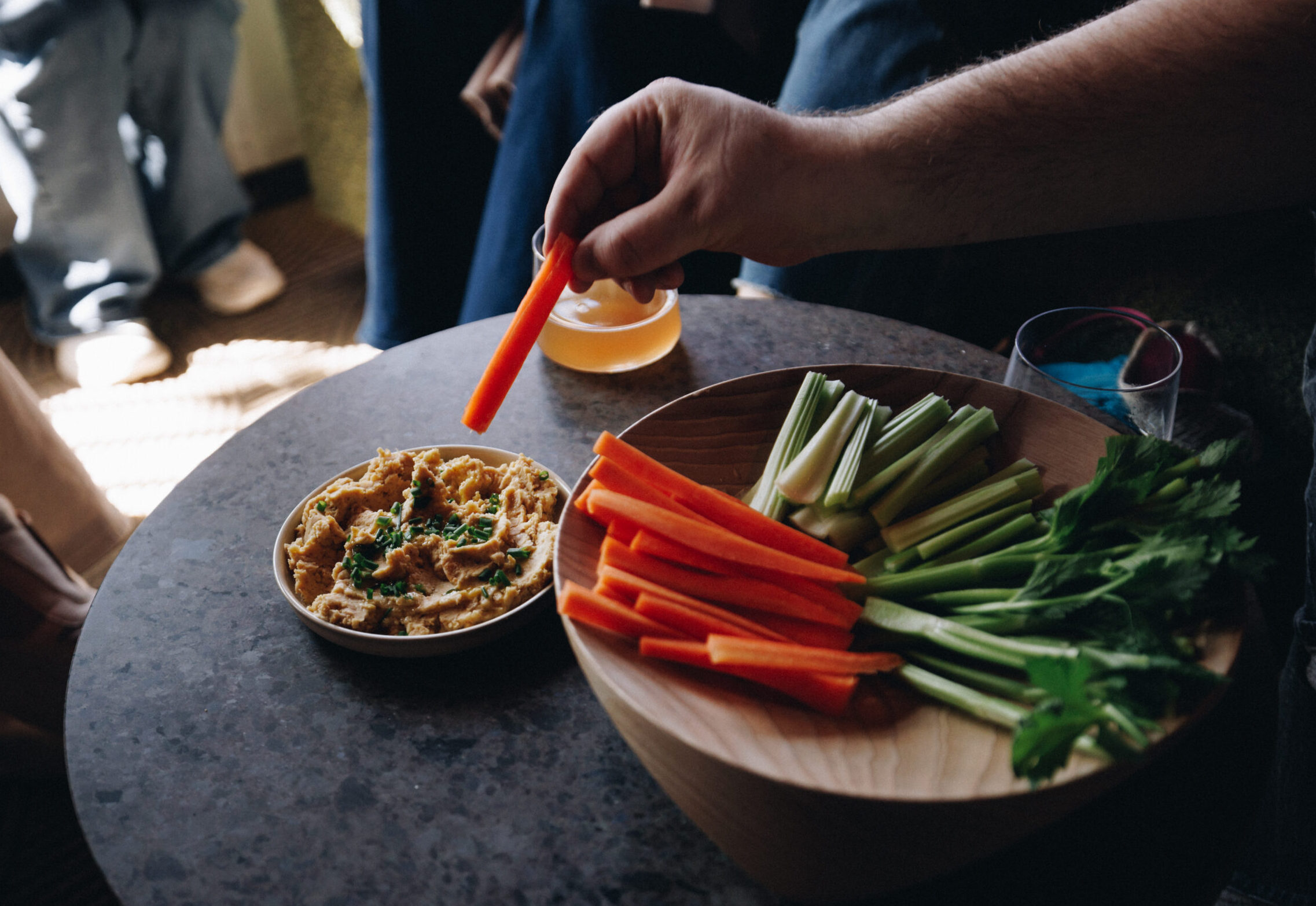
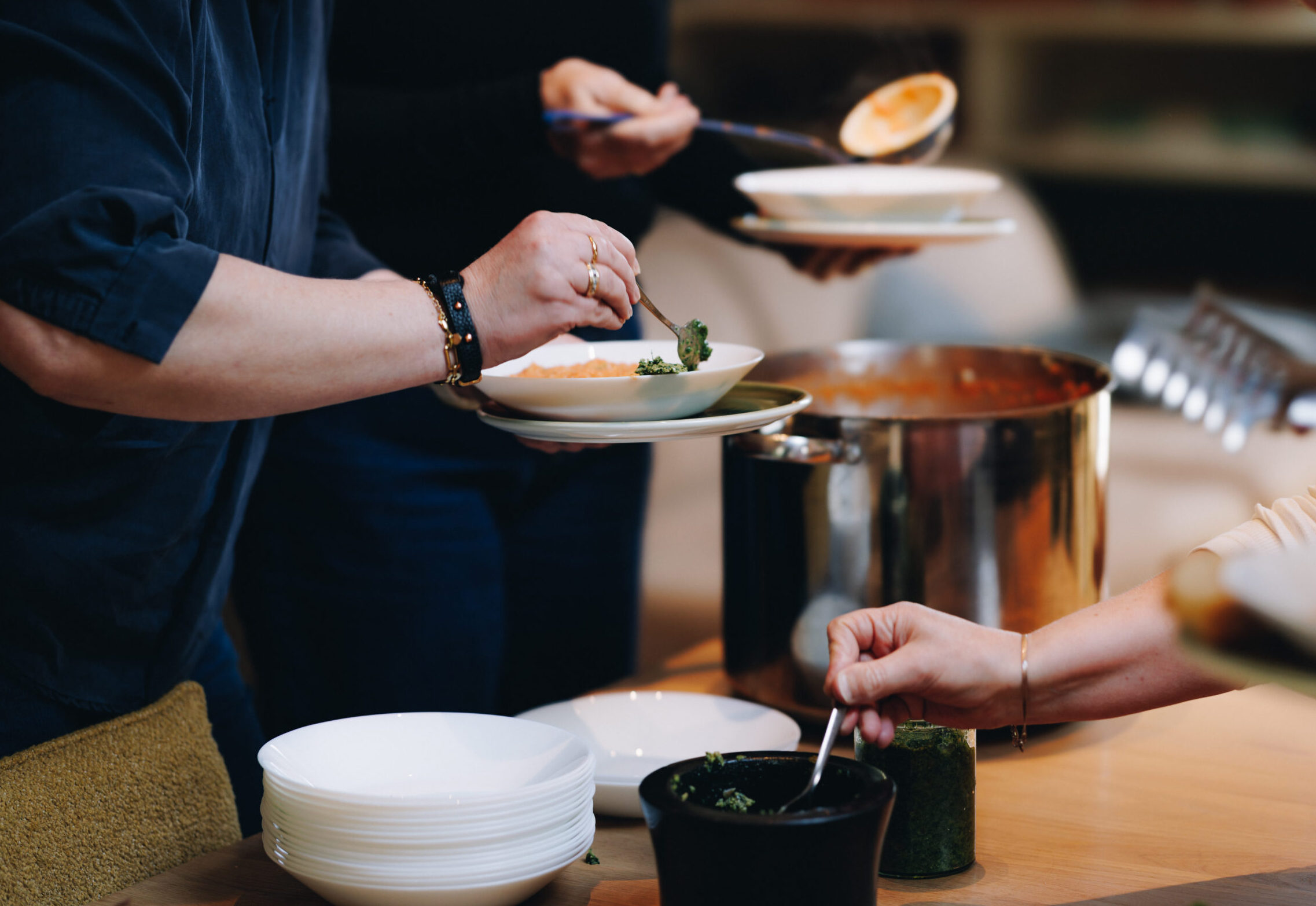
We served wild brew, pea purée, and vegetables as snacks, before getting started rinsing and cleaning what we’d foraged. We made several different wild pestos, with a nordic twist using apple cider vinegar and sunflower seeds. The enormous interest in this small, simple exercise caught us a little off guard. Because we’ve grown used to the fact that when spring comes, you just step out into your garden, the park, or the forest and find all the greens you need right there. These pioneer plants are designed to survive in extreme conditions and grow very fast, so they’re packed with vitamins and antioxidants, and should honestly be in the superfood category if they were ever sold in a store.
One of the participants announced he was going to ban the purchase of canned pesto in his family. He would monitor the family’s digital shopping list and fridge, and make sure only homemade wild pesto appeared on the dinner table going forward. Another had gotten really into texture, and demonstrated how different the experience is when you take the time and effort with a mortar versus quickly blending with a hand mixer. That was a big aha moment for many, and a new mortar went straight onto the wish list.
We’ve spent a long time thinking about how to communicate a more sustainable food practice in an inspiring way, and sometimes I think we forget that we’ve been nerding out on this for so long that what feels obvious to us can be brand new knowledge for someone else. We’ve also focused on the importance of experiencing things through the body, because we believe it makes it much easier to actually bring something home and make a real change.
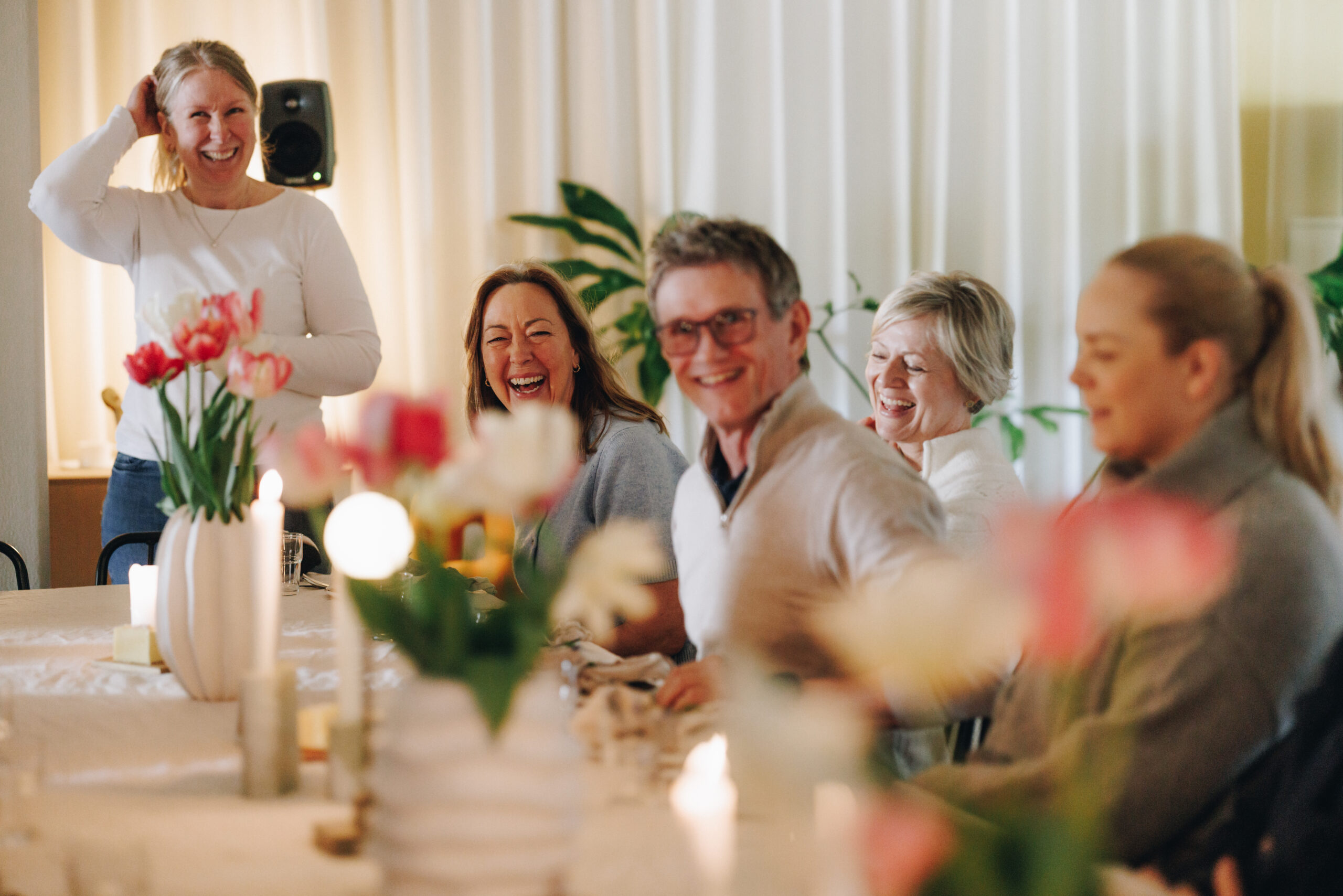
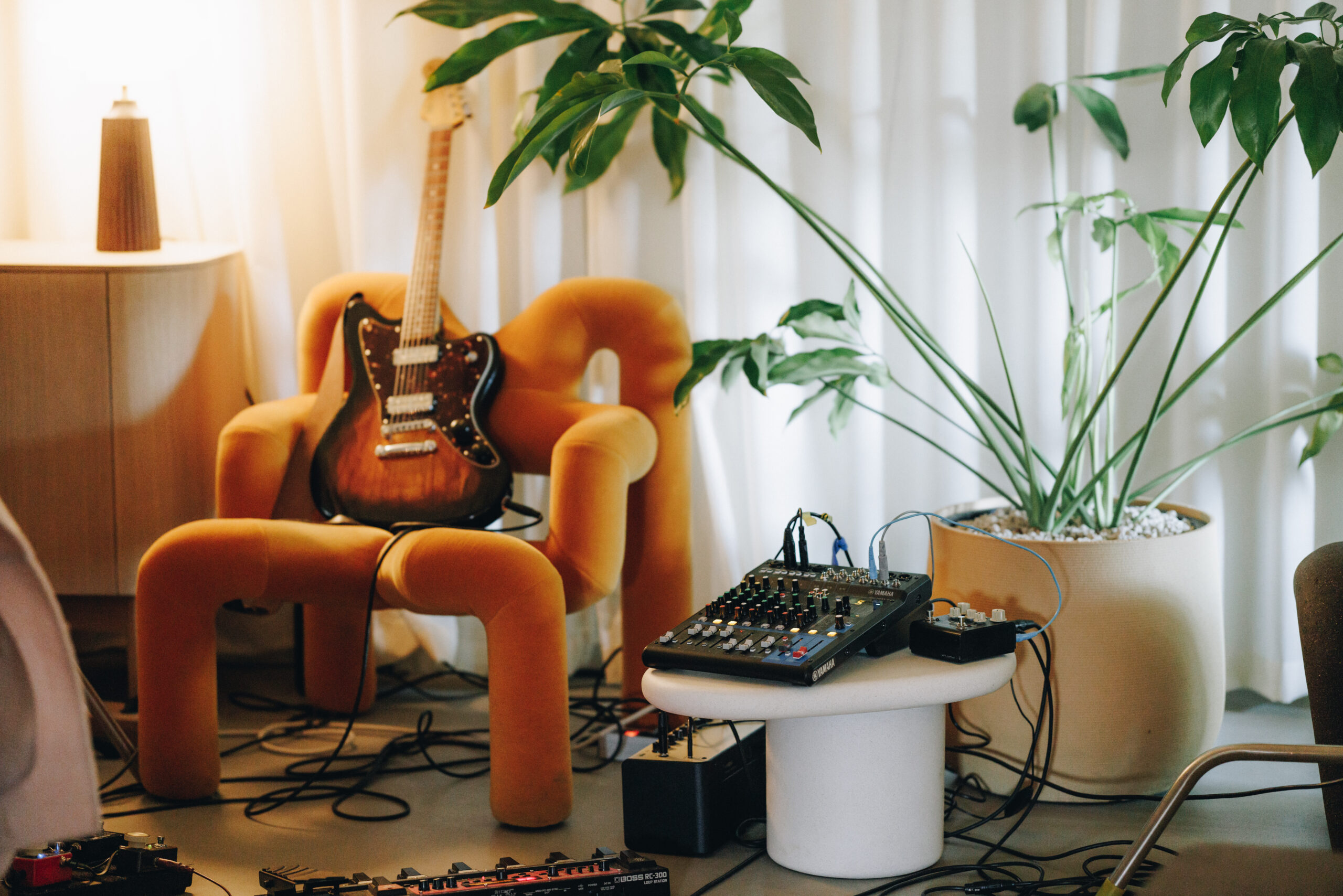
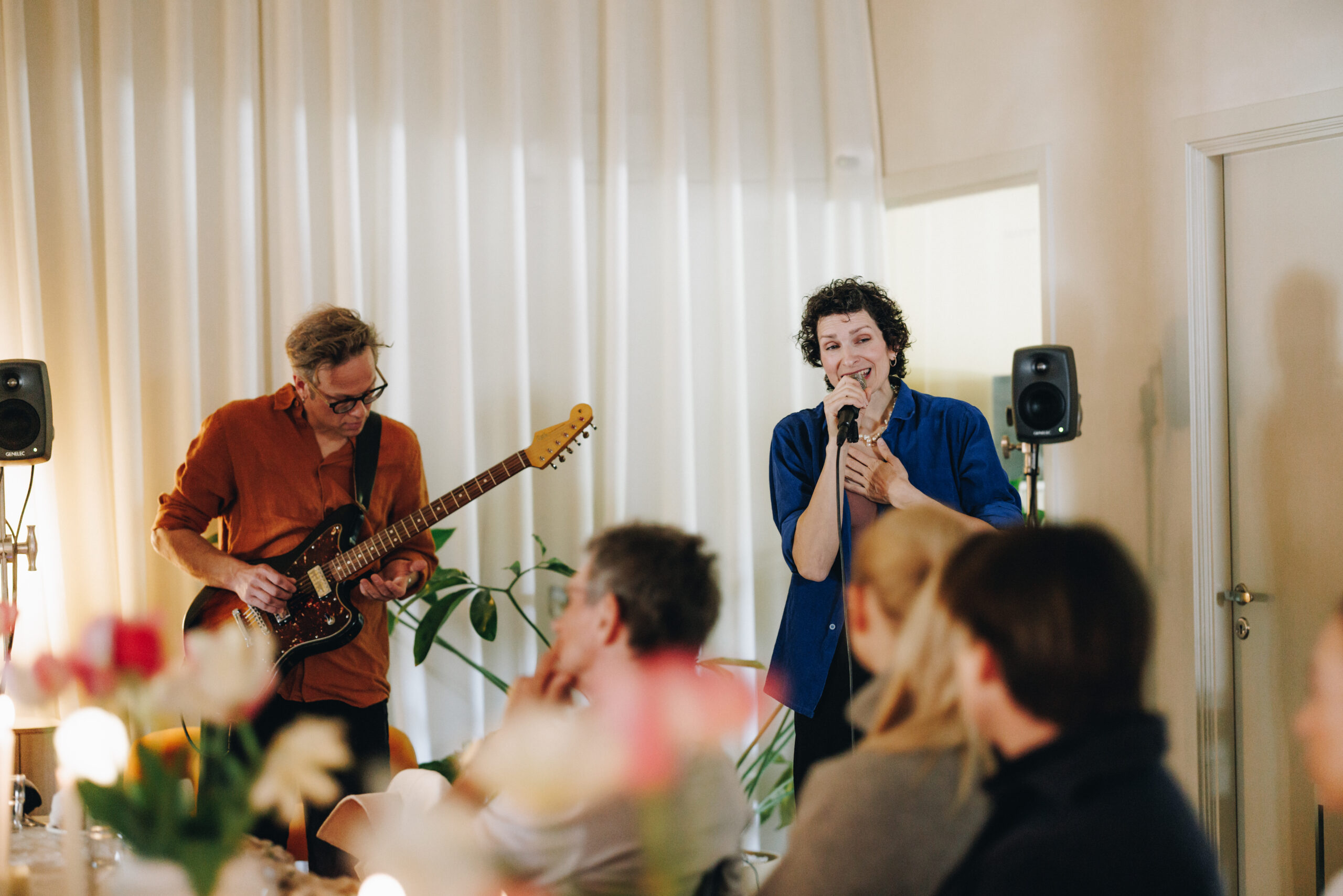
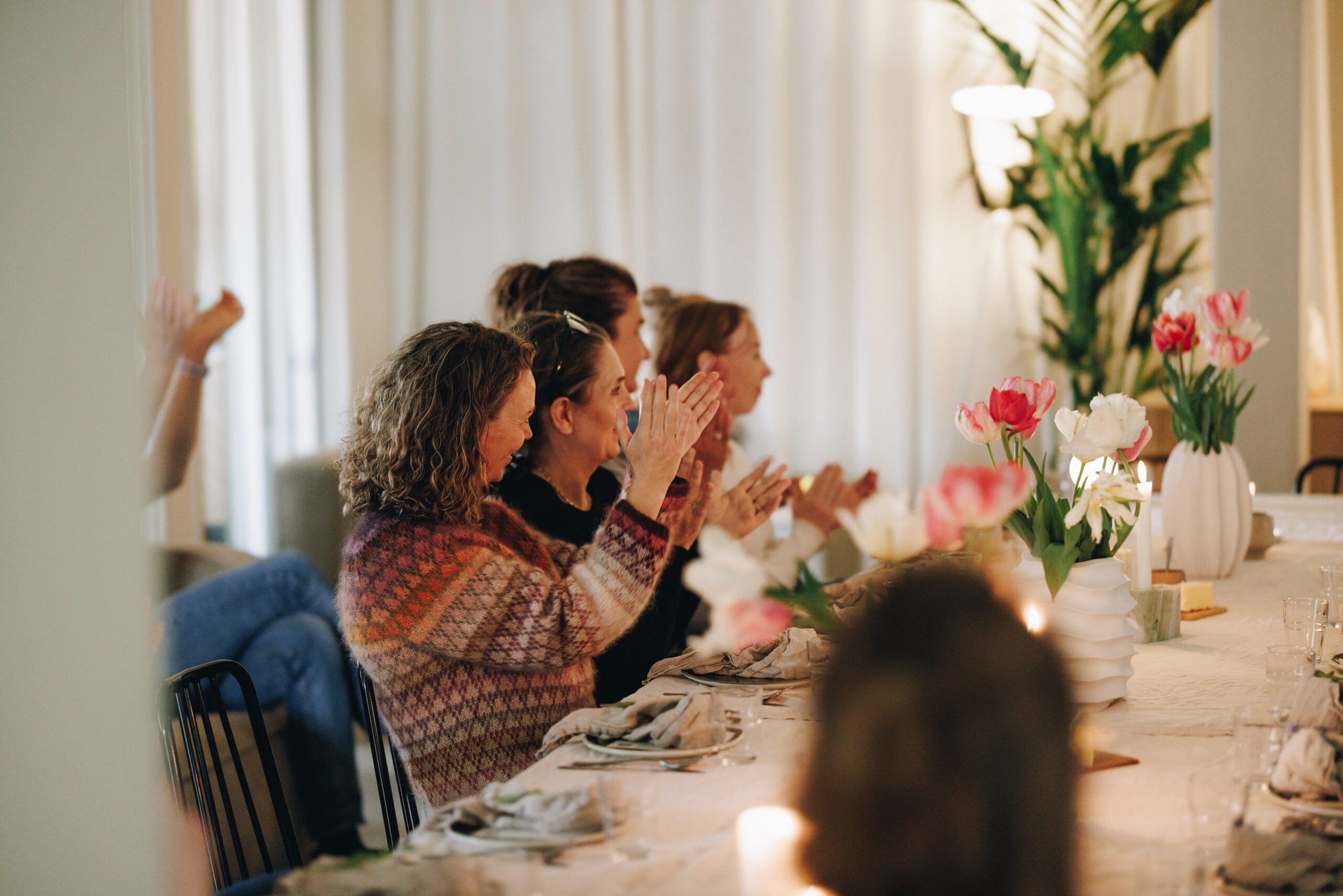
The participants co-created everything from the rhubarb dessert to which wild plants would make it onto the plate. Before we sat down to eat, we had an intimate concert with the project ÅRET by Esther Buchmann and Kristoffer Pahle. They’ve been playing with a co-creation project where they explore listening in to season and spontaneity, something they envision eventually becoming an album exploring a full year.
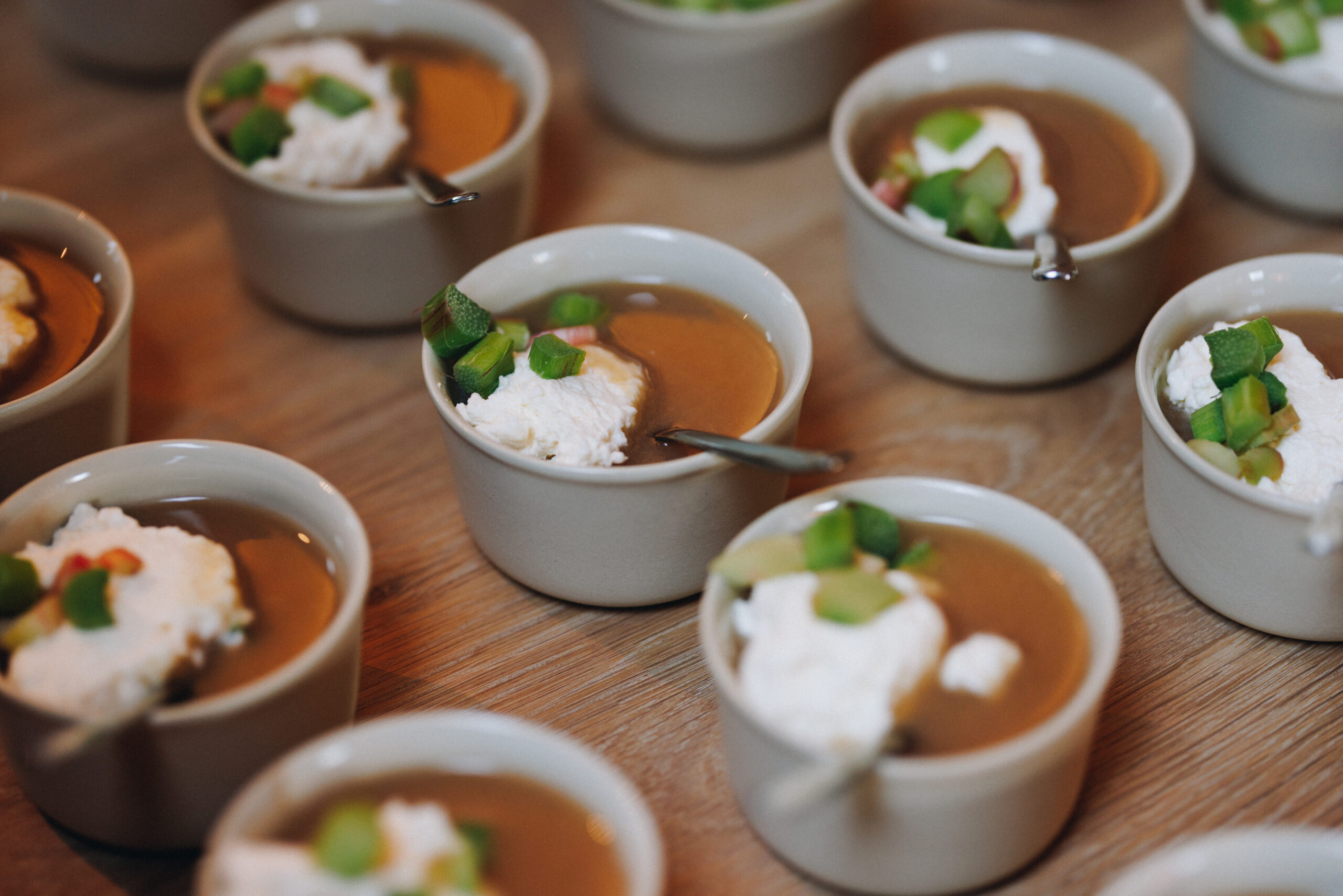
On the menu was a lentil stew with a vegan base, to include everyone who limits meat for various reasons, along with those who need to avoid dairy and gluten. We replaced the spinach with nettles and served it with kefir and dandelion leaves as a stand-in for rocket. The goal was to create a meal that could bring as many people as possible around the same table. We served it with sourdough bread and Røros butter. For dessert, rhubarb from the garden at Solvang, Røros cream, and coffee from Fuglen.
Text: Cecilie Dawes
Photo: Bjørk Ellingsbø