Pastevent
Madland
— Symposium 2026
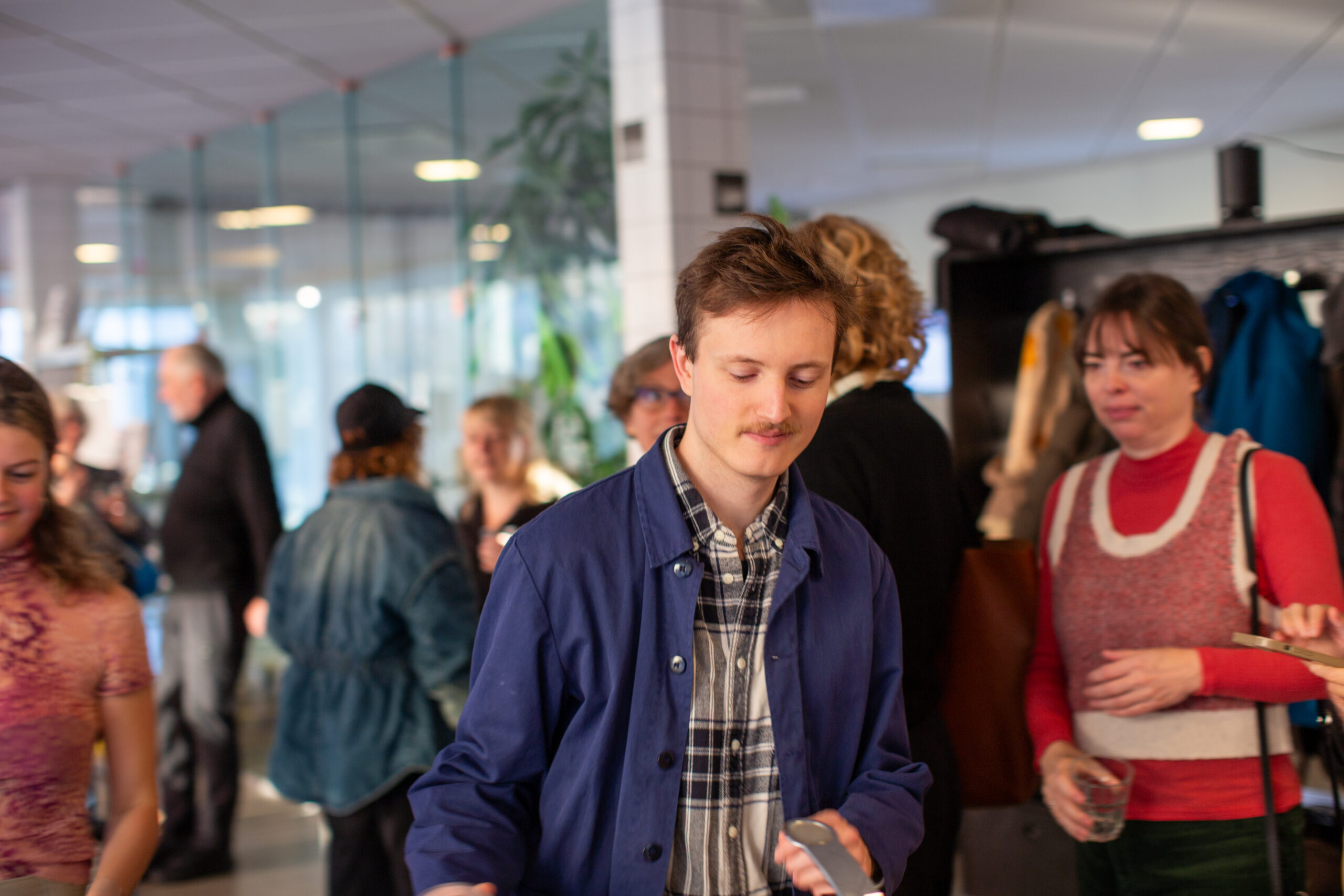
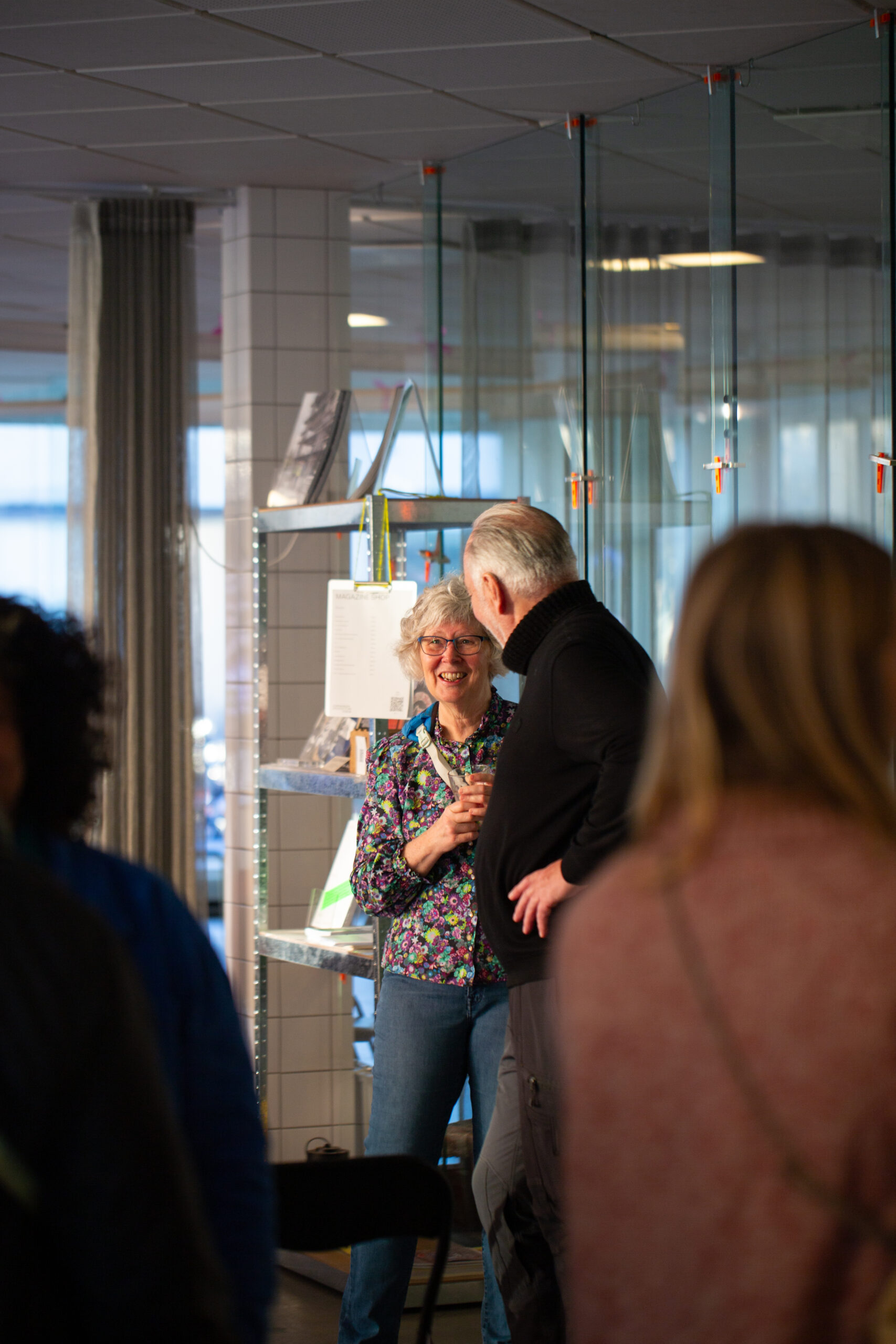
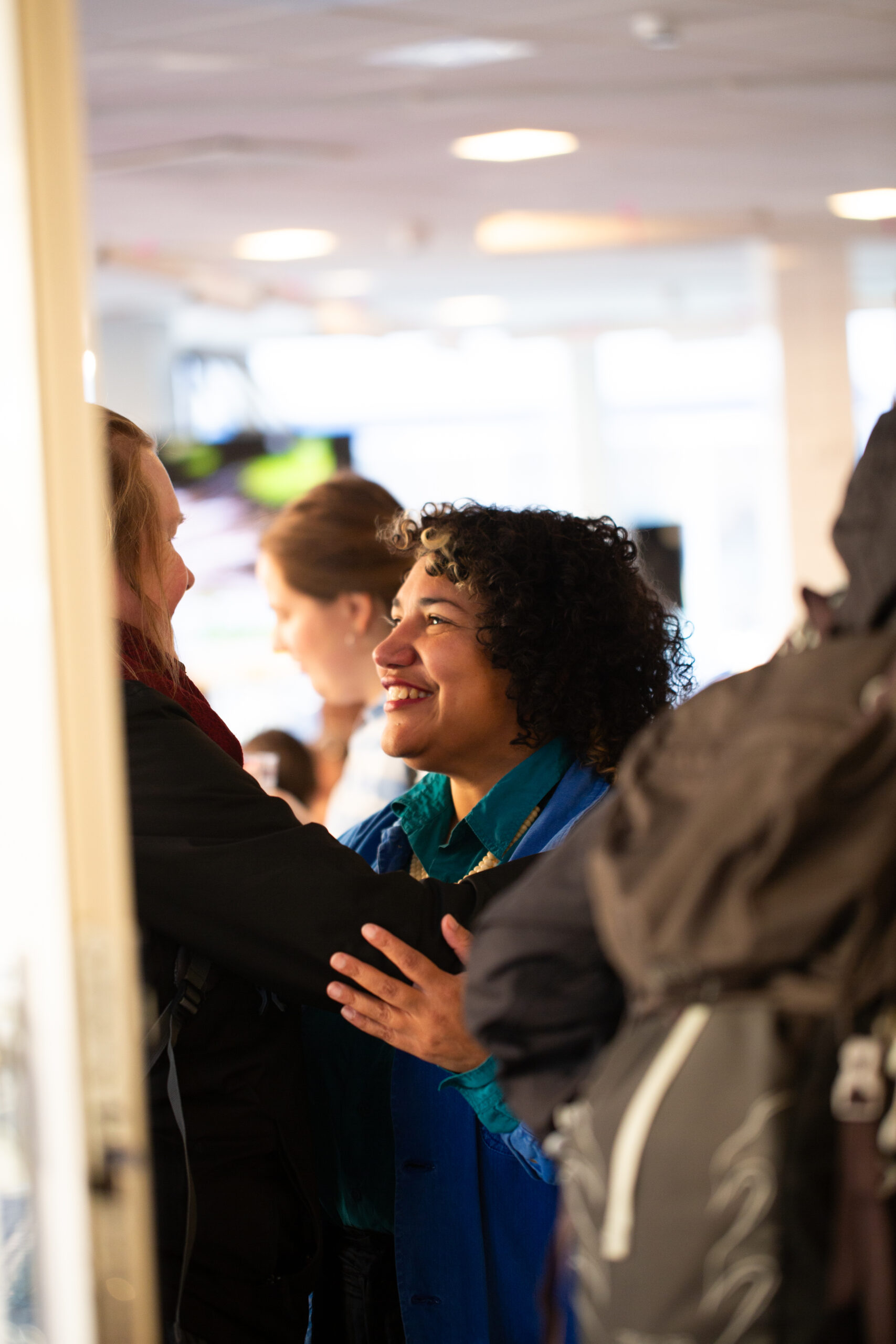
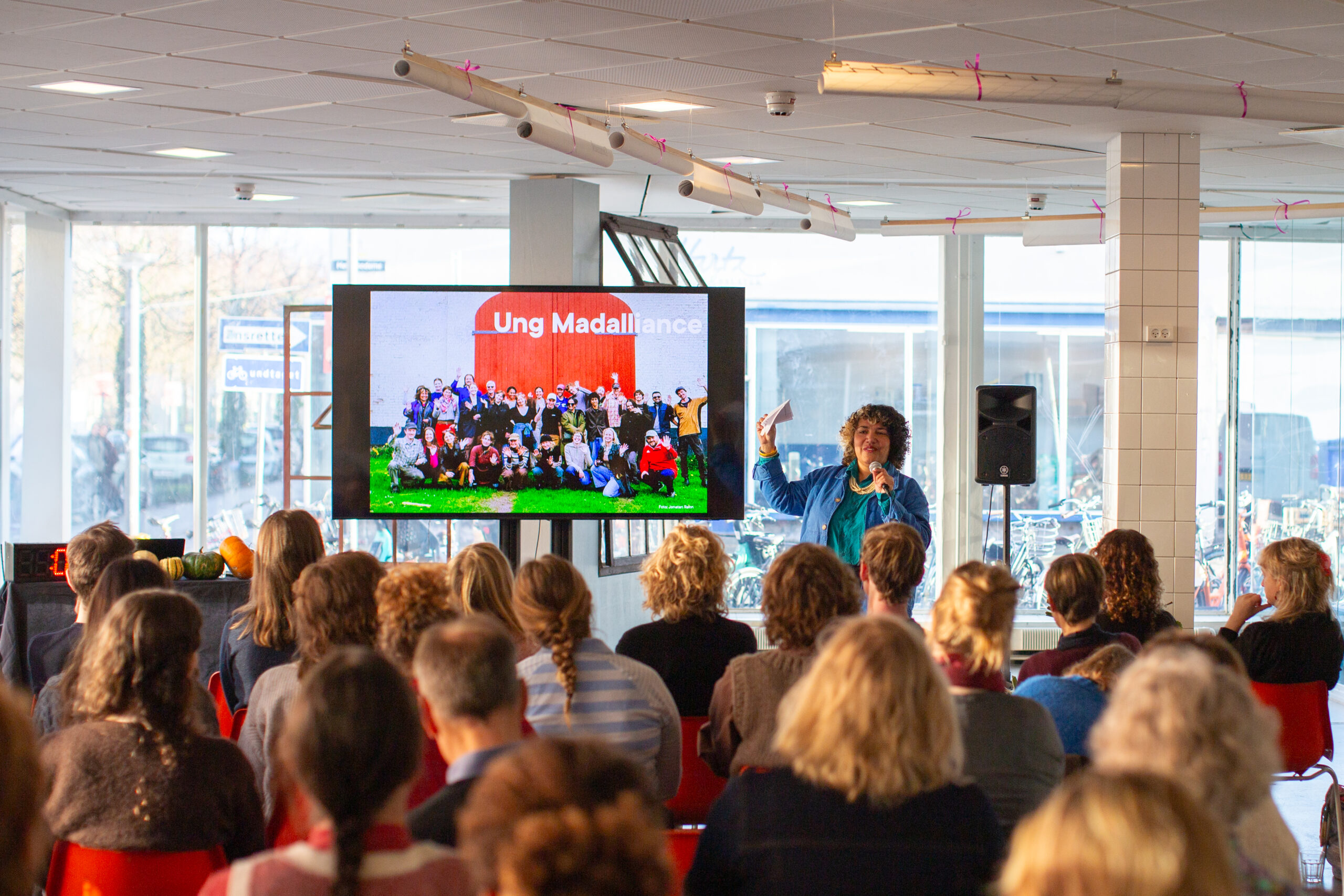
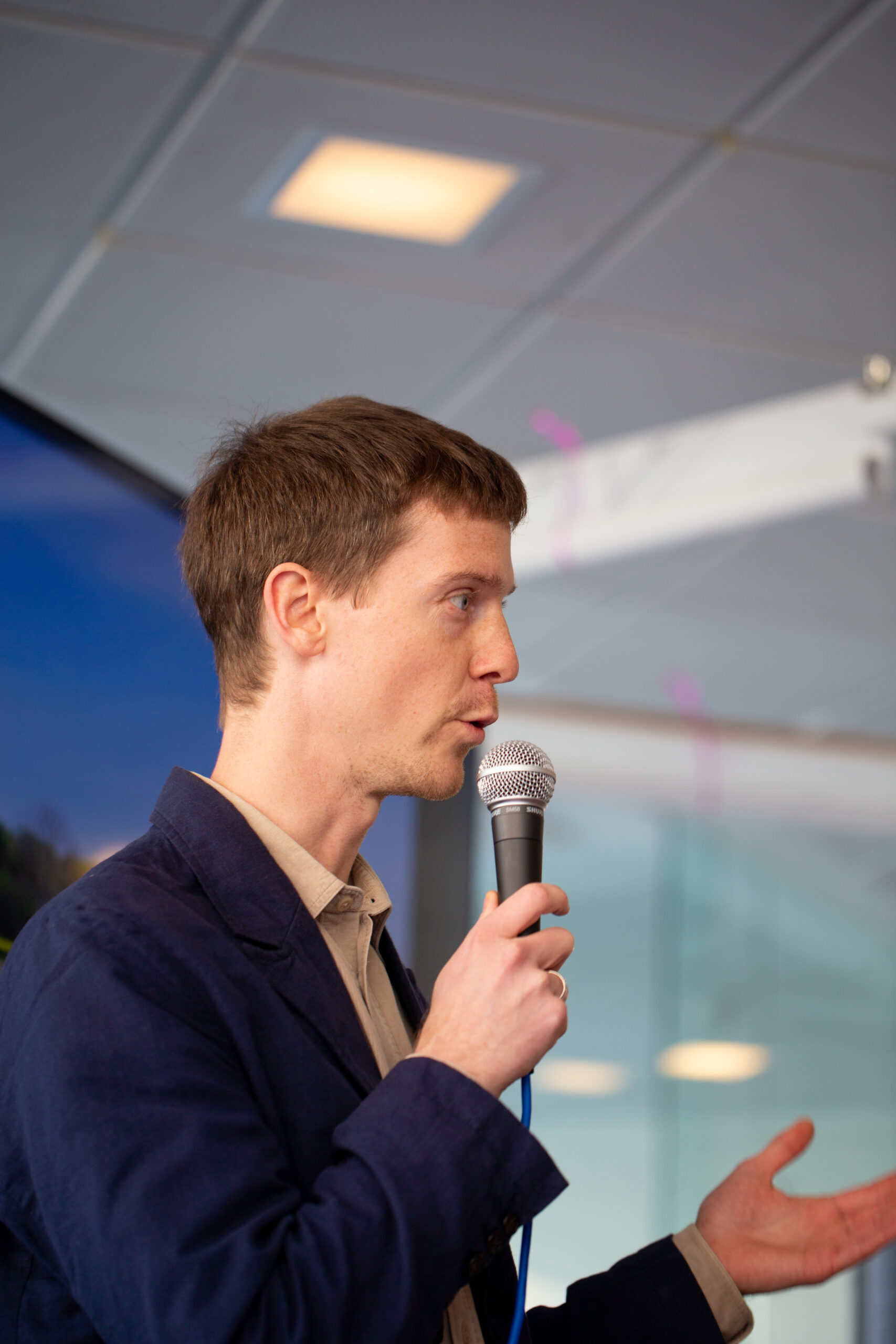
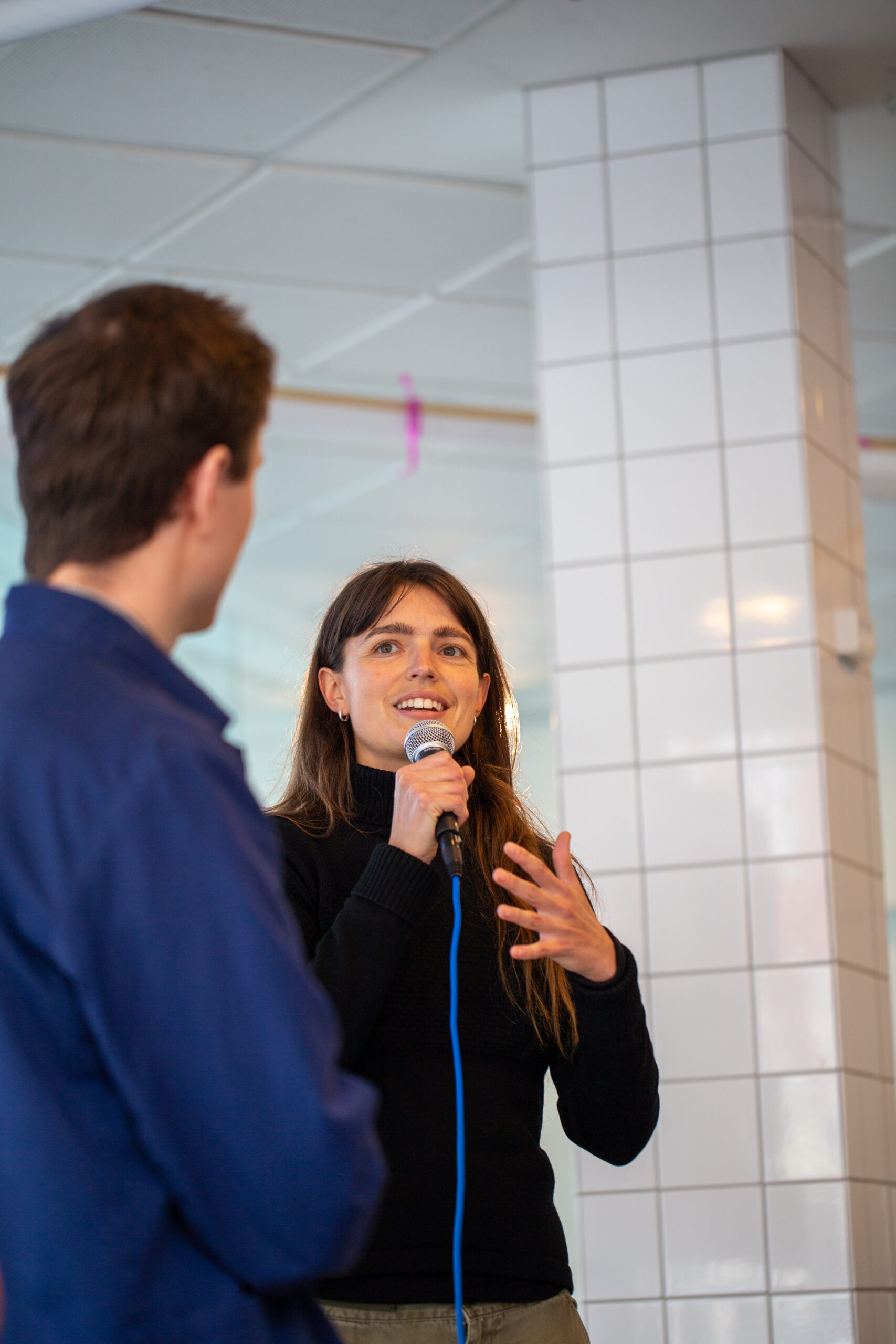
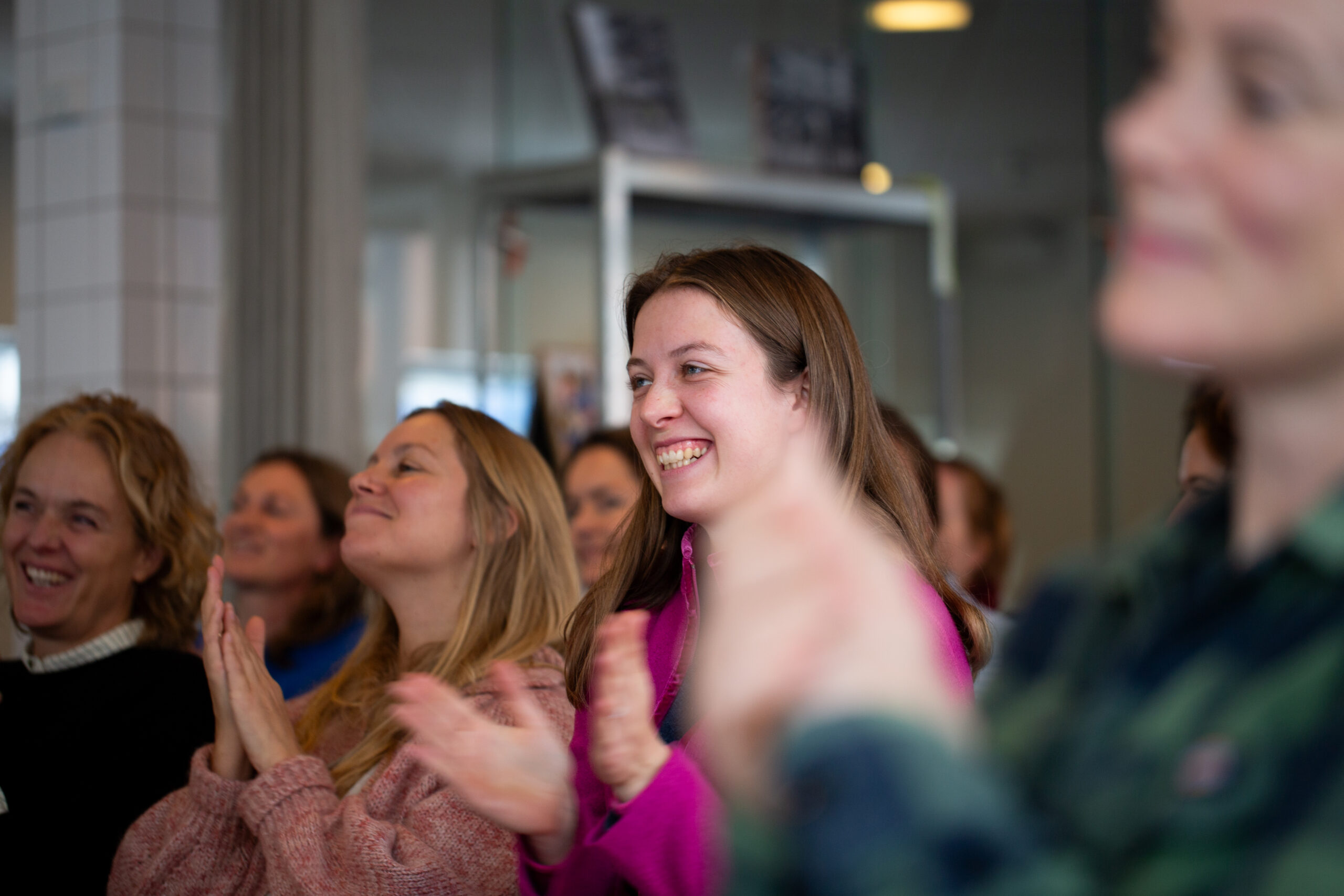
We went to Copenhagen last week to be a part of Madland symposium 2026. Marie Sainabou Jen is one of the most inspiring leaders in food system change. She invited the frontrunners of this transformative work to talk about, among other things, the business models we need to make this change happen. It was one of the most energising and uplifting conversations I have heard in a long time.
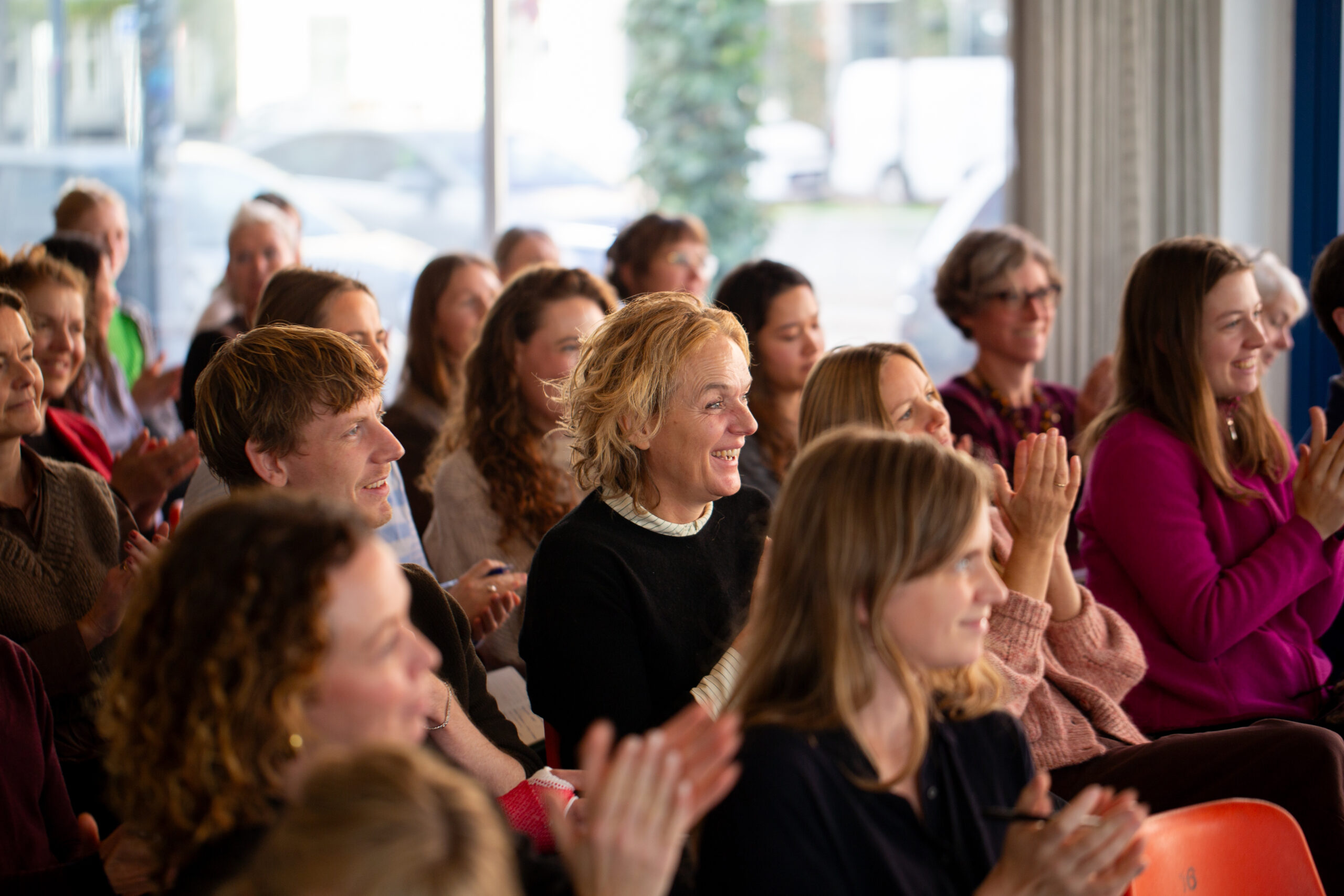
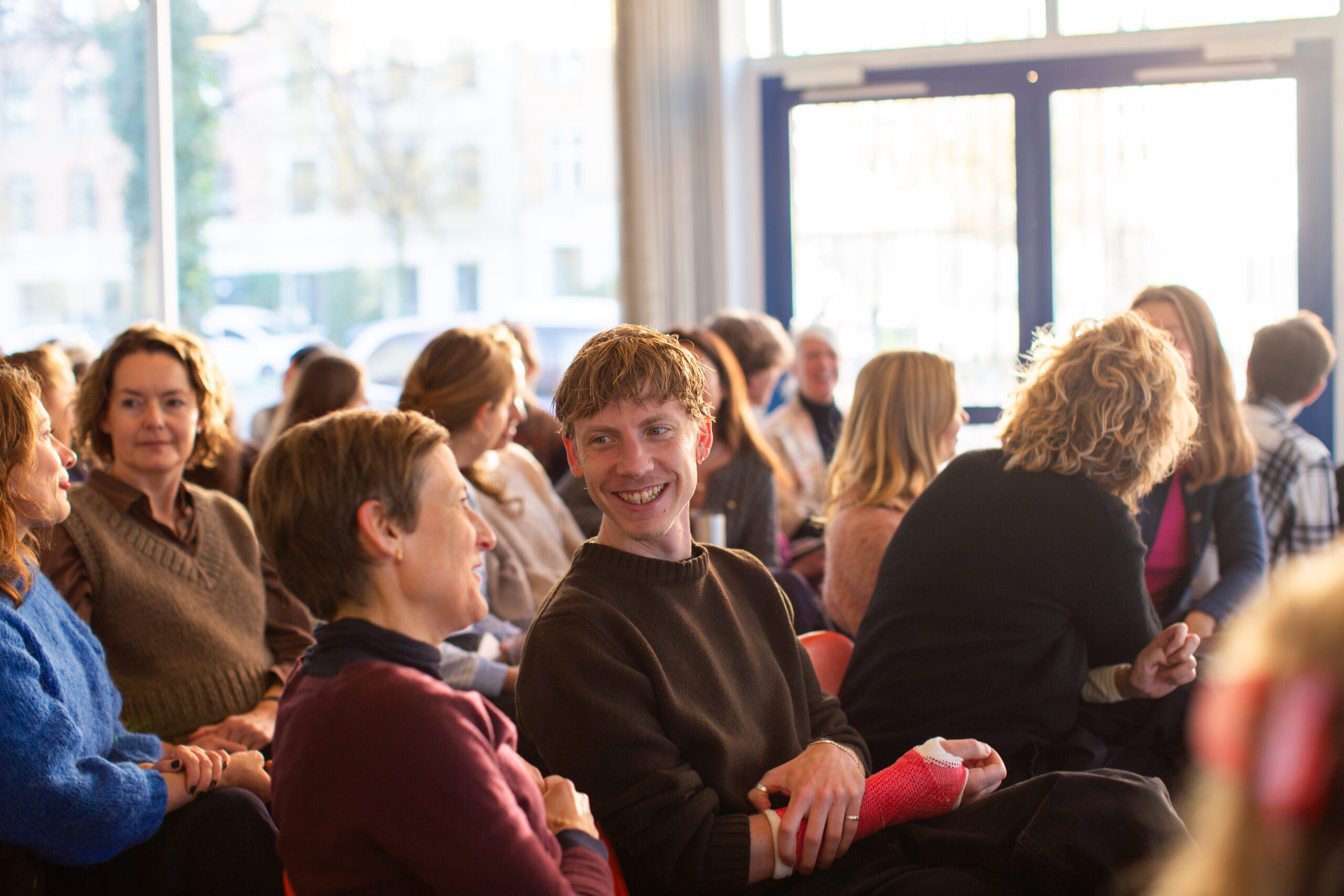
The room was buzzing with curiosity, drive and warmth, infused with new knowledge and hands-on experience from the research landscape, fair business models, green investments, citizen involvement in the Green Tripartite, seed sovereignty, local kitchen transition, the small-scale farming movement and visions for municipal action.
To Madland it is clear that local, resilient and fair food systems already exist, in all their diversity. They just need space, capital and community to grow and to scale out and in depth. This they invited to some very interesting conversations that we have tried to sum up for you below.
Municipal food policies as levers for change
How can municipal strategies and plans be turned into real tools for systemic change? We explore how political visions in municipalities can move the agenda on public procurement and strengthen everything from local trade and stable supply to health and ambitious climate action, through shorter value chains and more resilient foodscapes in practice.
The research landscape for local, resilient and fair food systems
How do we strengthen the interplay between research and visionary food system changemakers? How can nature-based small-scale farming drive change and scale culturally and deeply without losing its close local roots and its economy and ecology of care? Get the latest research on the green movements that challenge established structures and create alternatives here and now.
– Josephine Ottesen, PhD candidate, SDU Climate Cluster Elite Center for Mobilizing Post-Anthropocentric Climate Action (PACA).
Five food system changemakers
Inspiration from the front line of food system change.
Meet five practitioners challenging the status quo:
- Marcus Feldthaus, co-founder of House of Small and co-author of ‘Smådriftsfordele’ and the new release ‘Mange bække små’
- Gitte Hesselbæk Breum, director of Mad til hver Dag
- Rasmus Dose Sandorff, co-founder of Nordic Seed Alliance Youth
- And more
Viable business models for a local food system
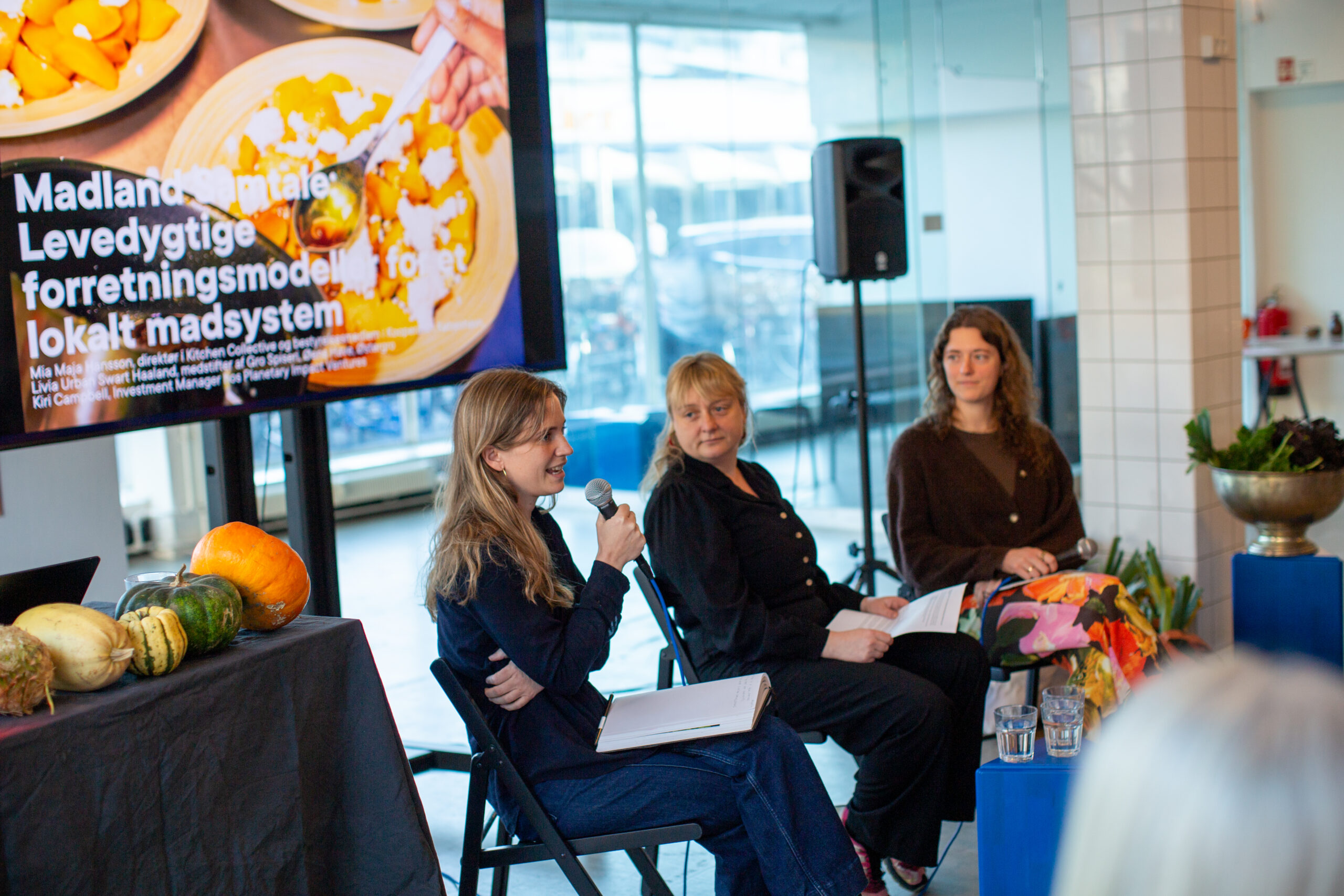
How do we challenge established structures and make short value chains economically sustainable? Meet food system entrepreneurs and a planetary investor for an honest conversation about capital, cooperatives and community-based, socially responsible business models.
Mia Maja Hansson, director of Kitchen Collective and board member of Kooperativt København; Livia Urban Swart Haaland, co-founder of Gro Spiseri, Øens Have and Østergro; and Kiri Campbell, Investment Manager at Planetary Impact Ventures.
Kitchen Collective with Amical
Kitchen Collective is an inclusive, democratic, sharing-economy and agenda-setting house for food entrepreneurs, with shared kitchens, events and venue, a shop, and knowledge and outreach, in the heart of vibrant Kødbyen in Copenhagen. The lunch was created by Amical, who is a kitcheneur in Kitchen Collective’s shared kitchen. She made a beautiful green lunch with seasonal produce put together in a way so everyone is included around the table.
Knowledge and materials
- Josephine Ottesen, PhD candidate, SDU Climate Cluster Elite Center for Mobilizing Post-Anthropocentric Climate Action (PACA): Report, “This is only the beginning”: stories, communities and transformative power among green grassroots in Denmark
- Mia Maja Hansson, director of Kitchen Collective and board member of Kooperativt København: KoopFabrika, the cooperative school
- Vera Mosbæk Ipsen and Rasmus Dose Sandorff, co-founders of Nordic Seed Alliance Youth: Get involved
- Marcus Feldthus, co-founder of House of Small, co-author of ‘Smådriftsfordele’ and author of the new release ‘Mange Bække Små’
- Maria Andersen, programme manager at Regenerativt Jordbrug: Presentation and vision paper.
- Madland Report: ‘Green food retail in Copenhagen: alternative, healthy and green food channels’
Take part in Madland Program
Madland is fortunately also so much more than the Symposium. Keep an eye on Madland Program to stay up to date on upcoming meetings, study trips, film screenings, communal meals and other good things.
Mark 21 to 24 April 2027 in your calendar, when Madland Festival takes place for the eighth year in a row.
While we wait for spring, dive into Madland Podcast: listen in and learn more about who is driving the socially responsible rethinking of our food systems.
You are also always welcome to come aboard Madland Guide: Shop Local Denmark, where we have gathered our best overview, with delicious recommendations for when you want to find the most flavourful and well-produced ingredients and products in the country. You will also find our area guides to shopping locally in Copenhagen and Aarhus.
The best way to stay informed about Madland Program is to sign up for the Madland Newsletter or become a member.
Photo: Agnes Saaby Thomsen for Madland
Text: Based on material from Madland