Pastevent
Riter
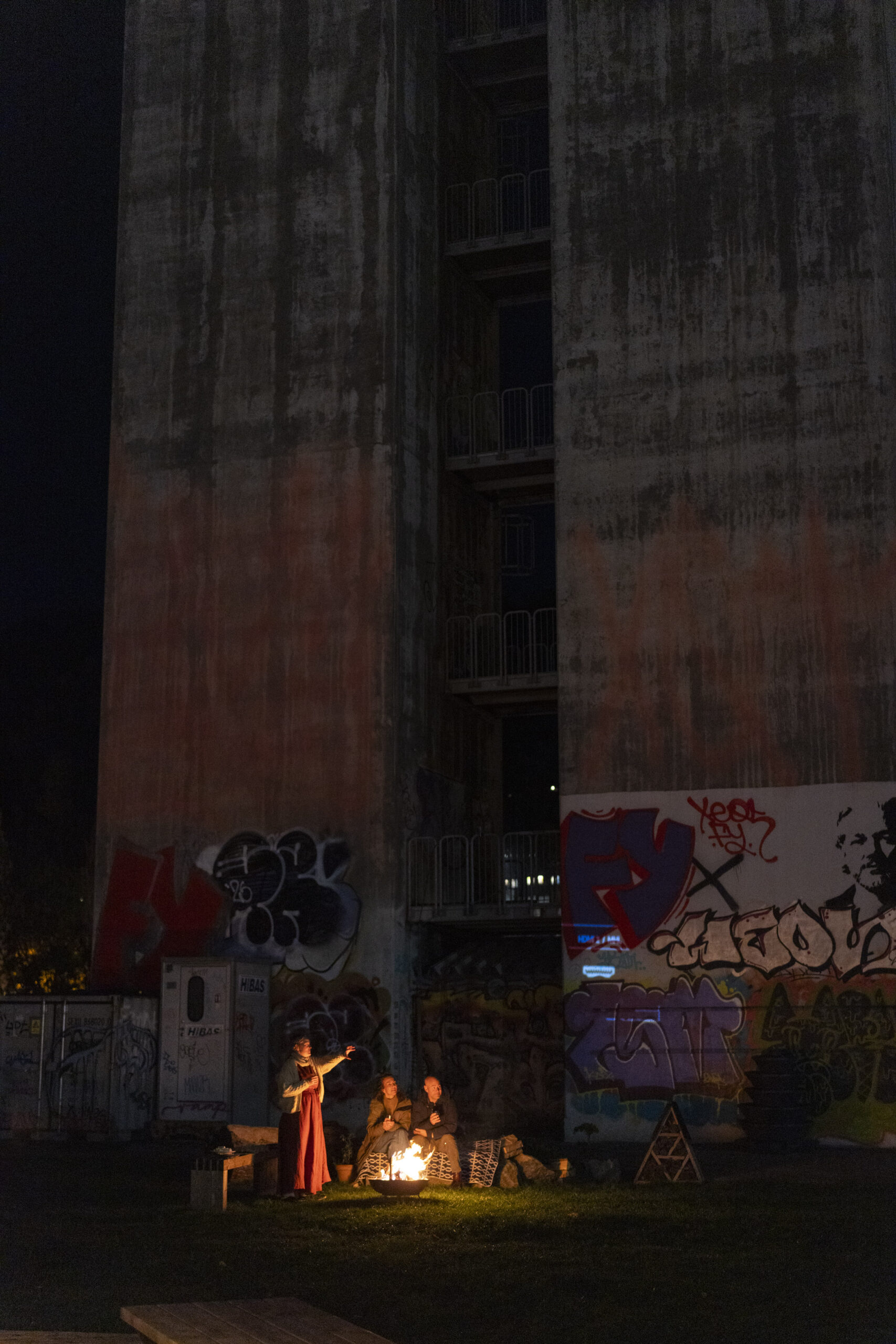
— Fire
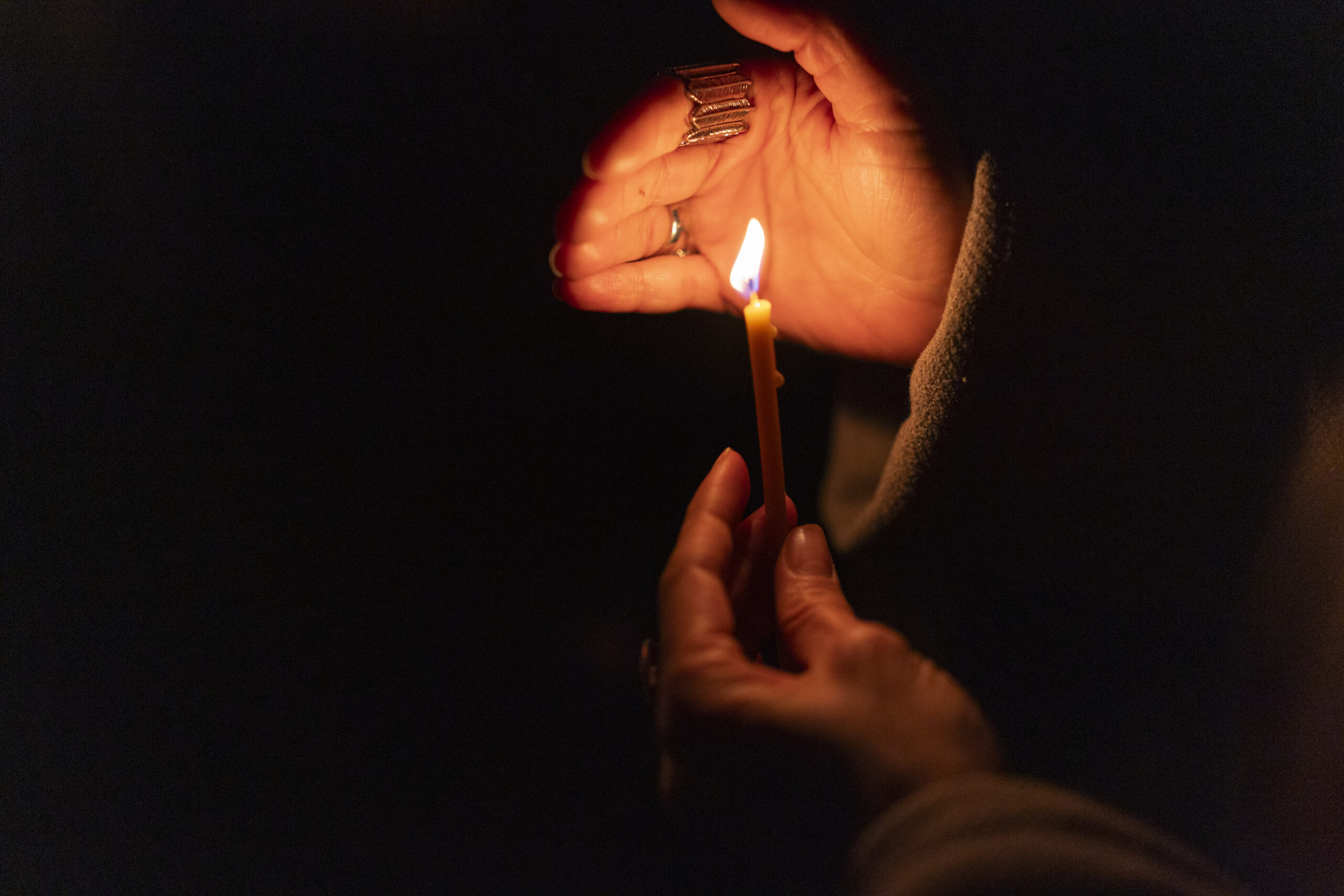
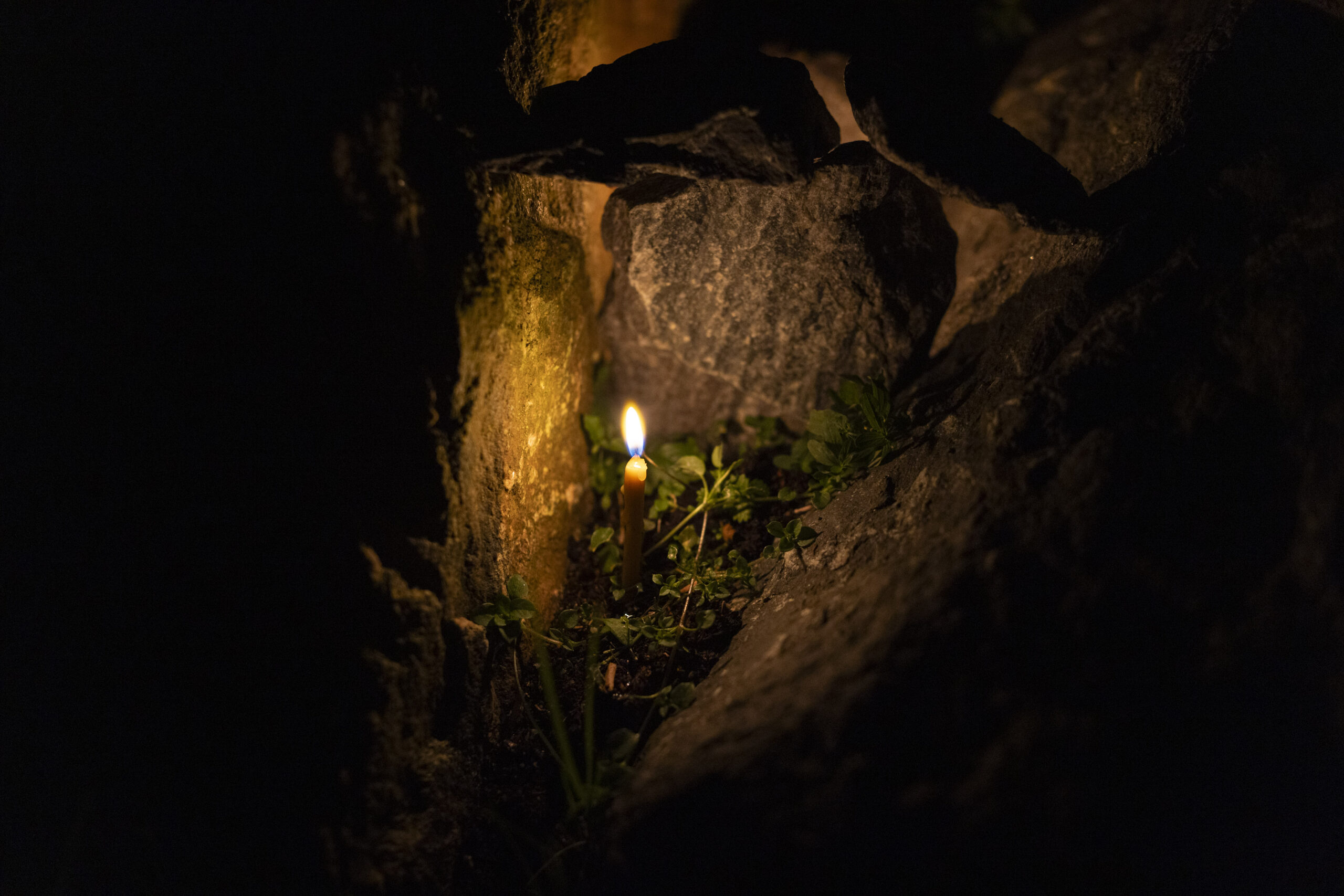
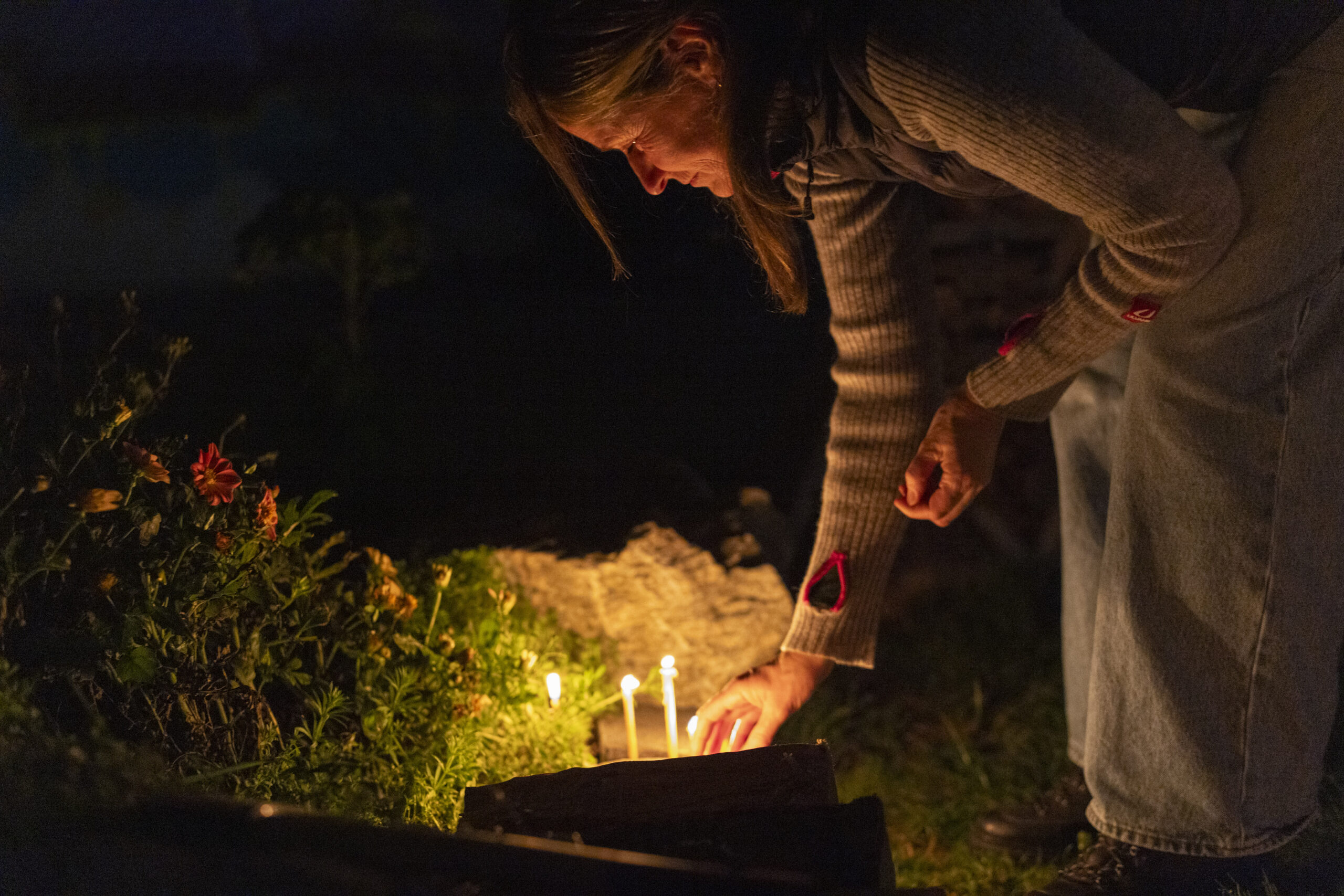
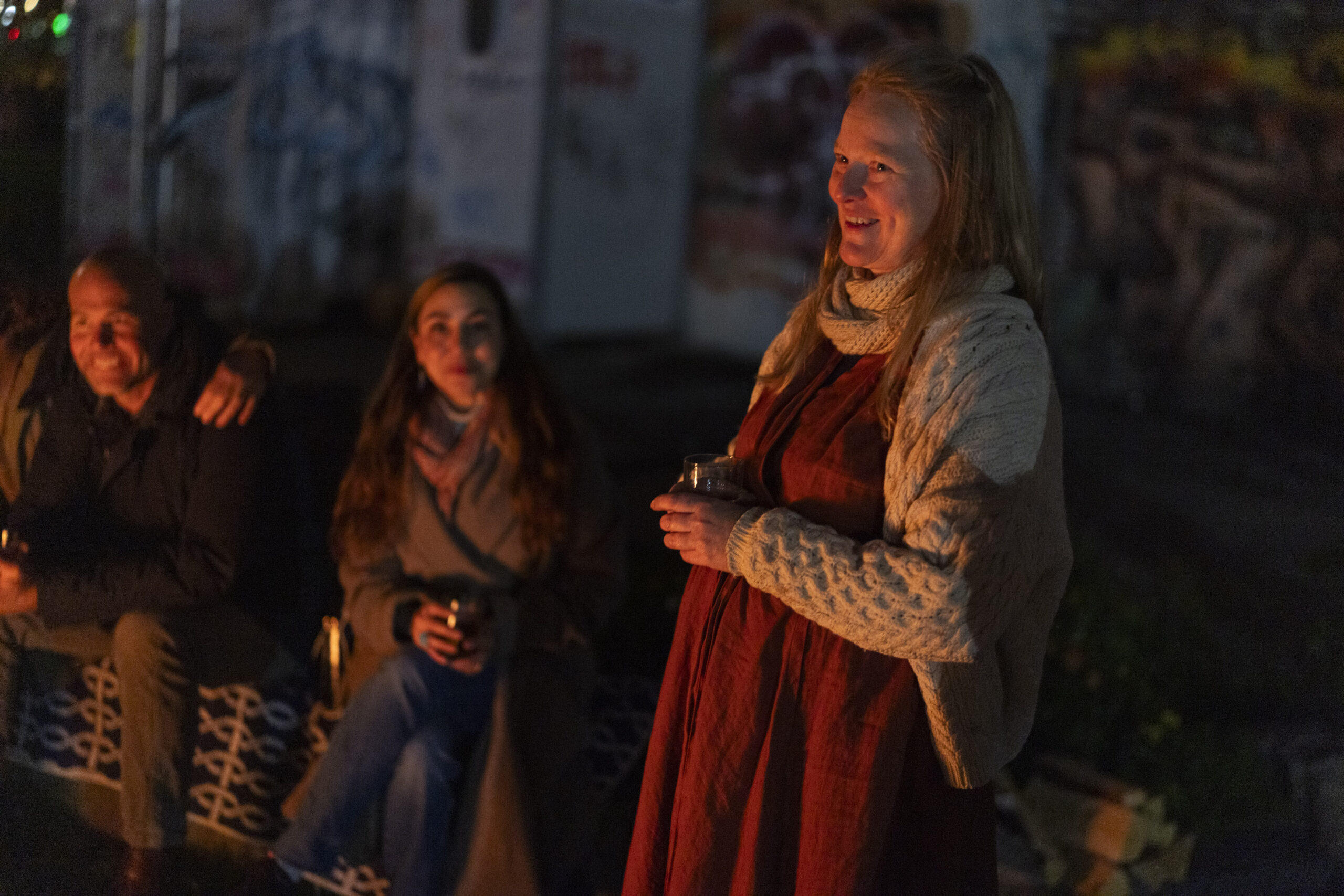
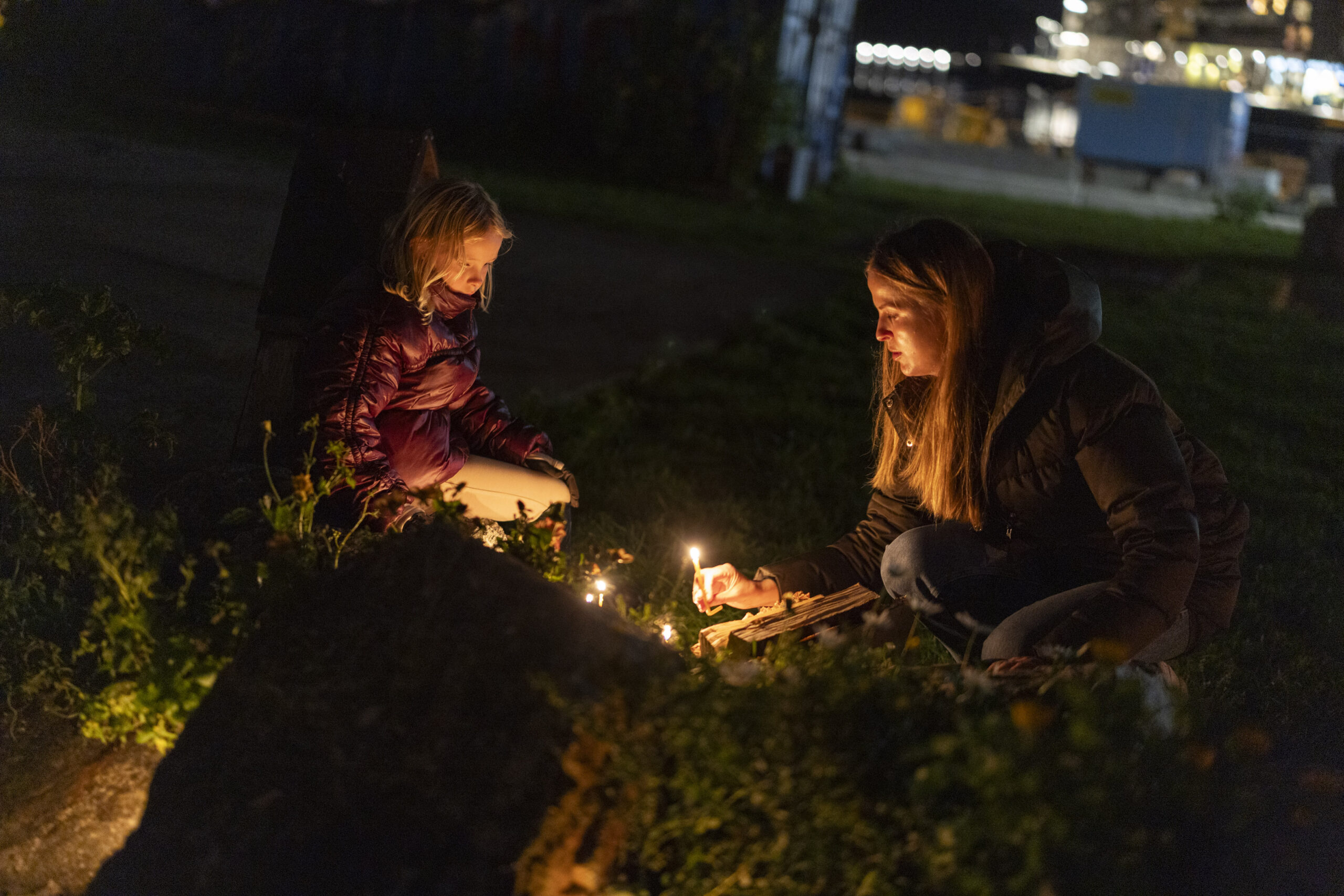
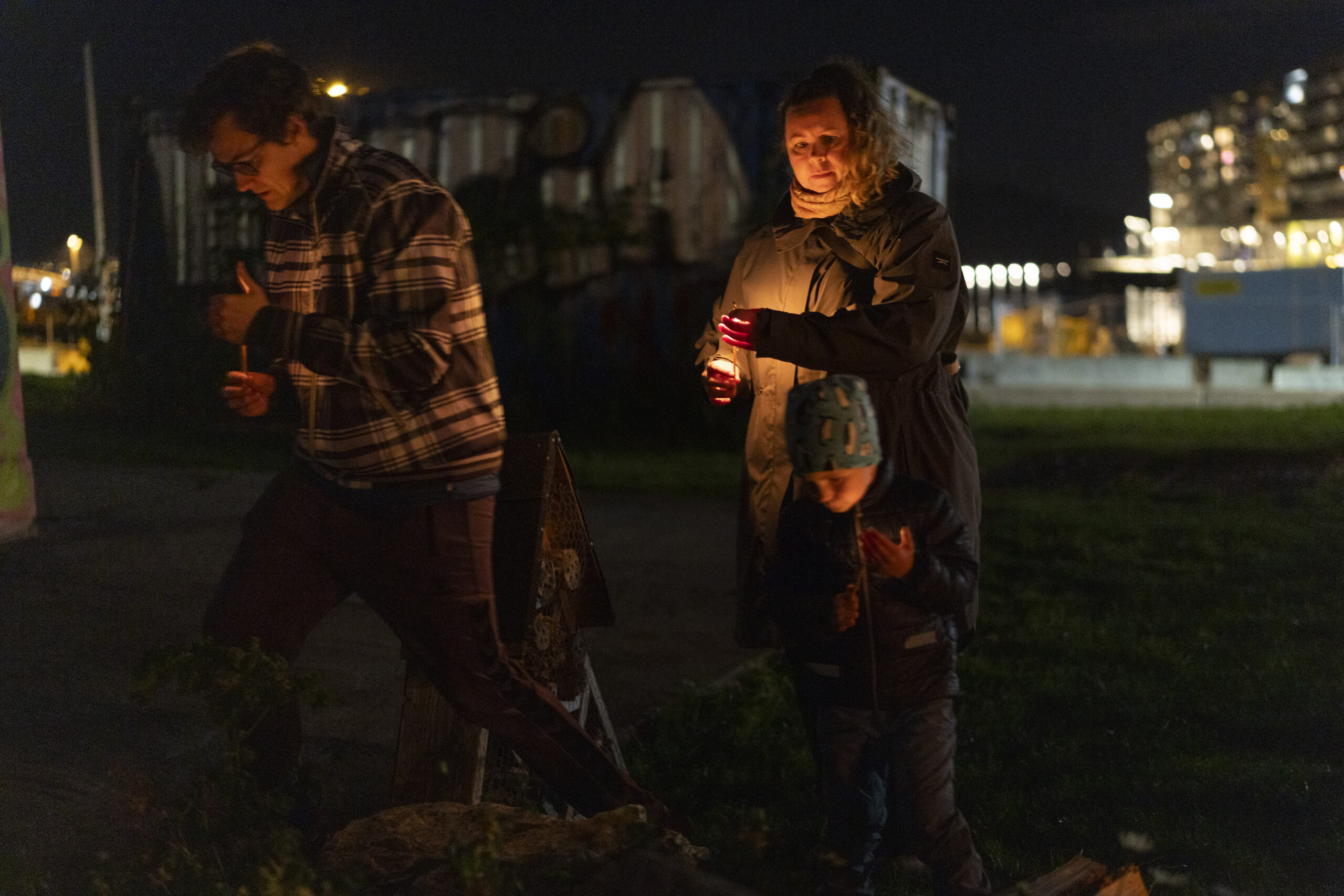
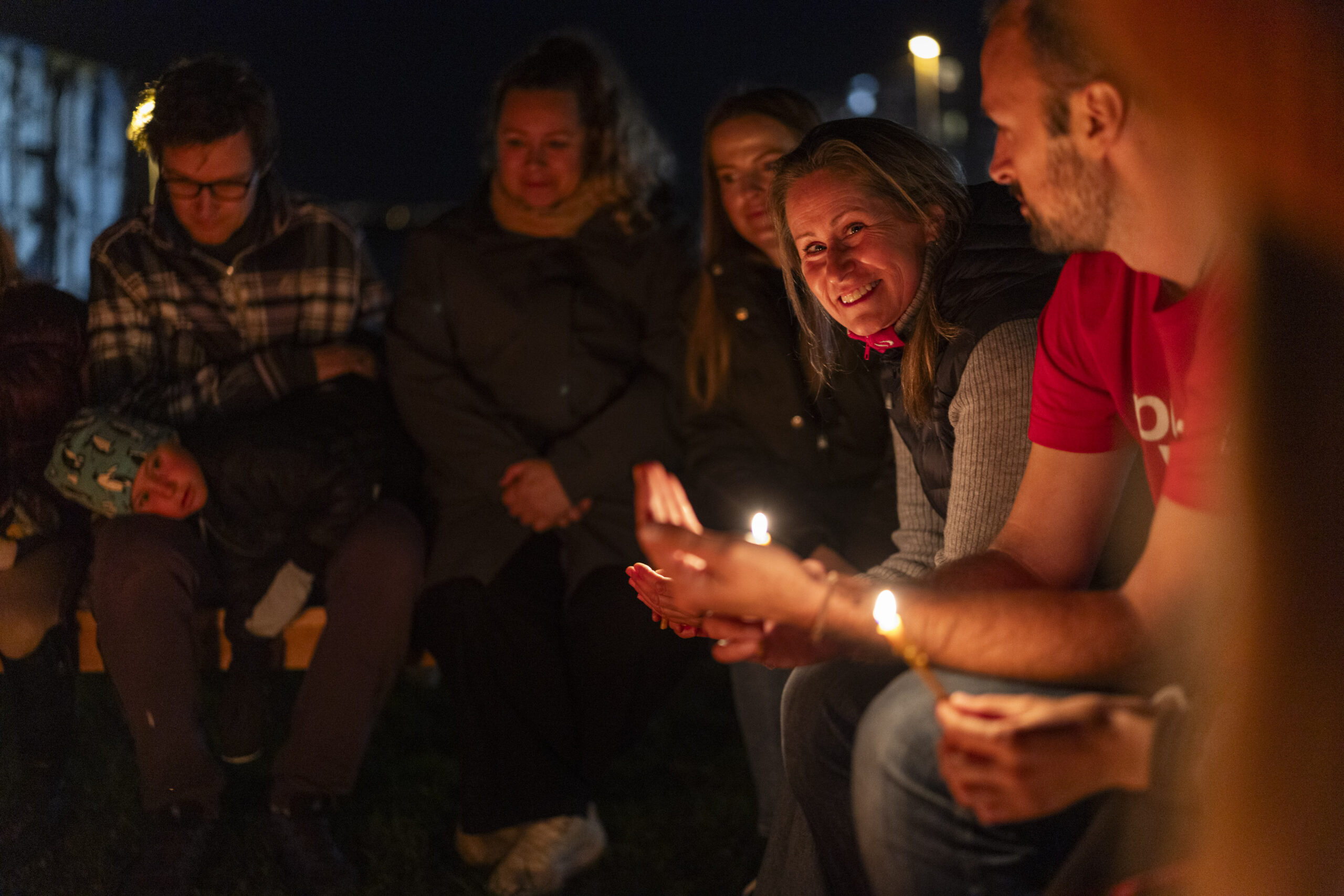
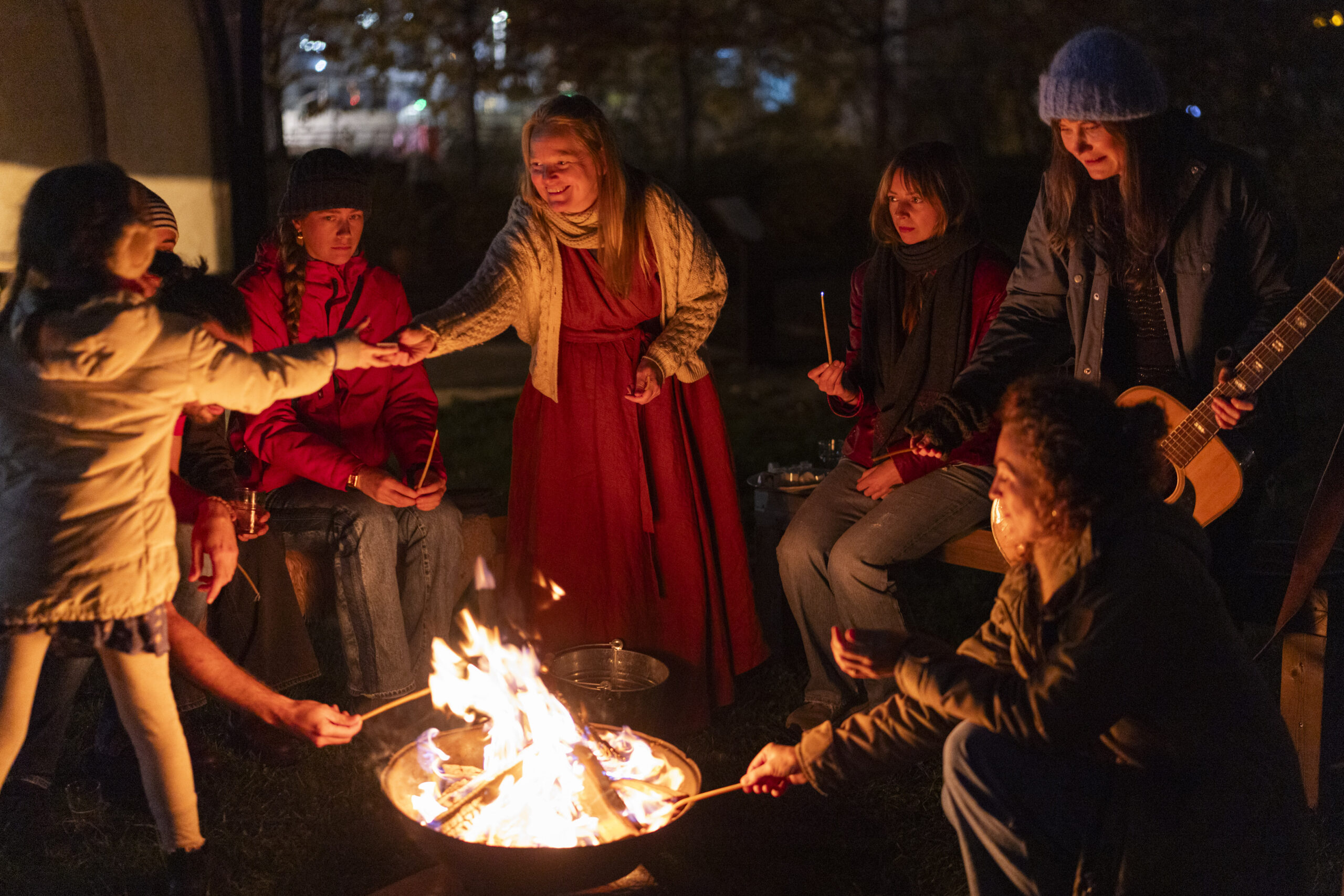
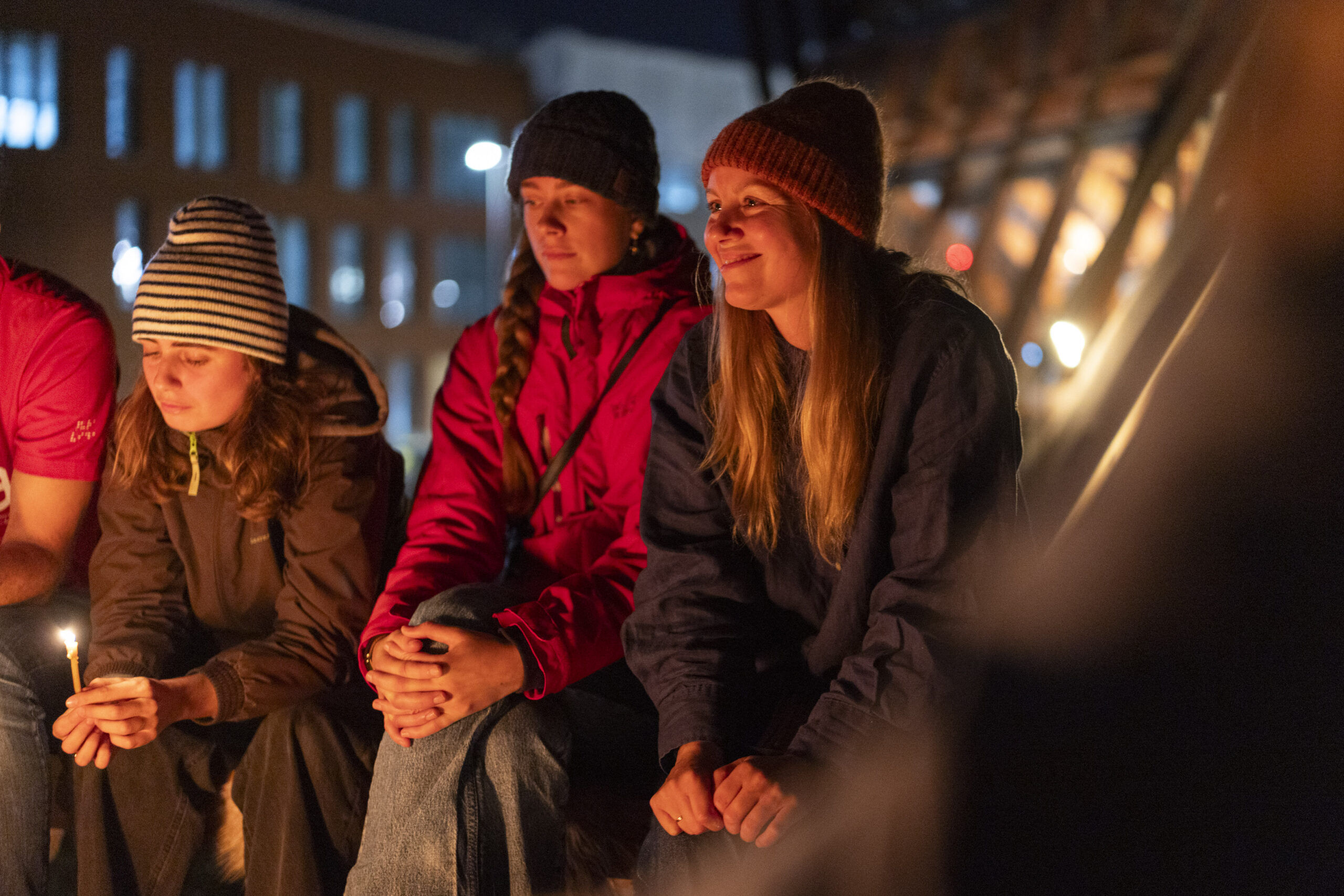
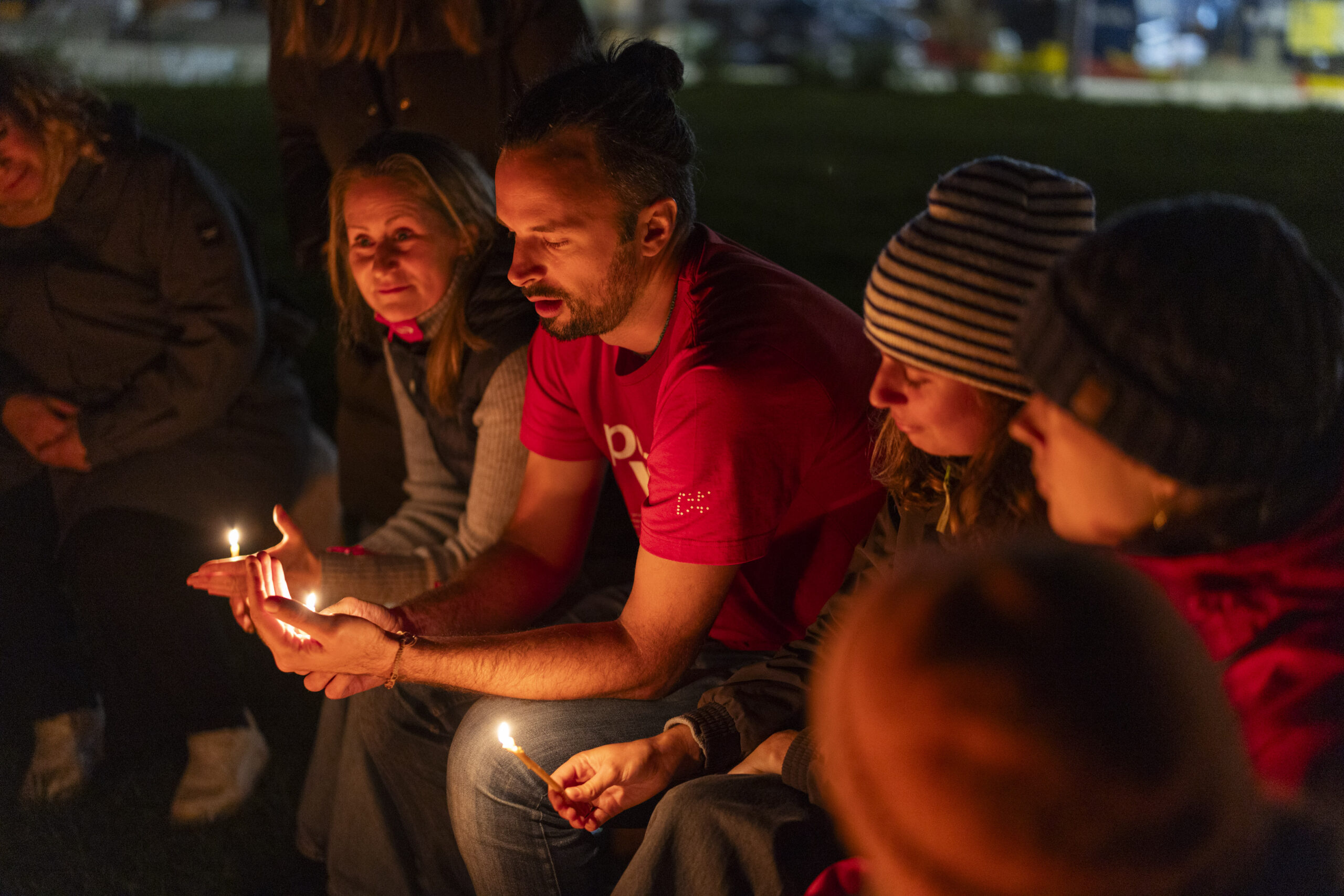
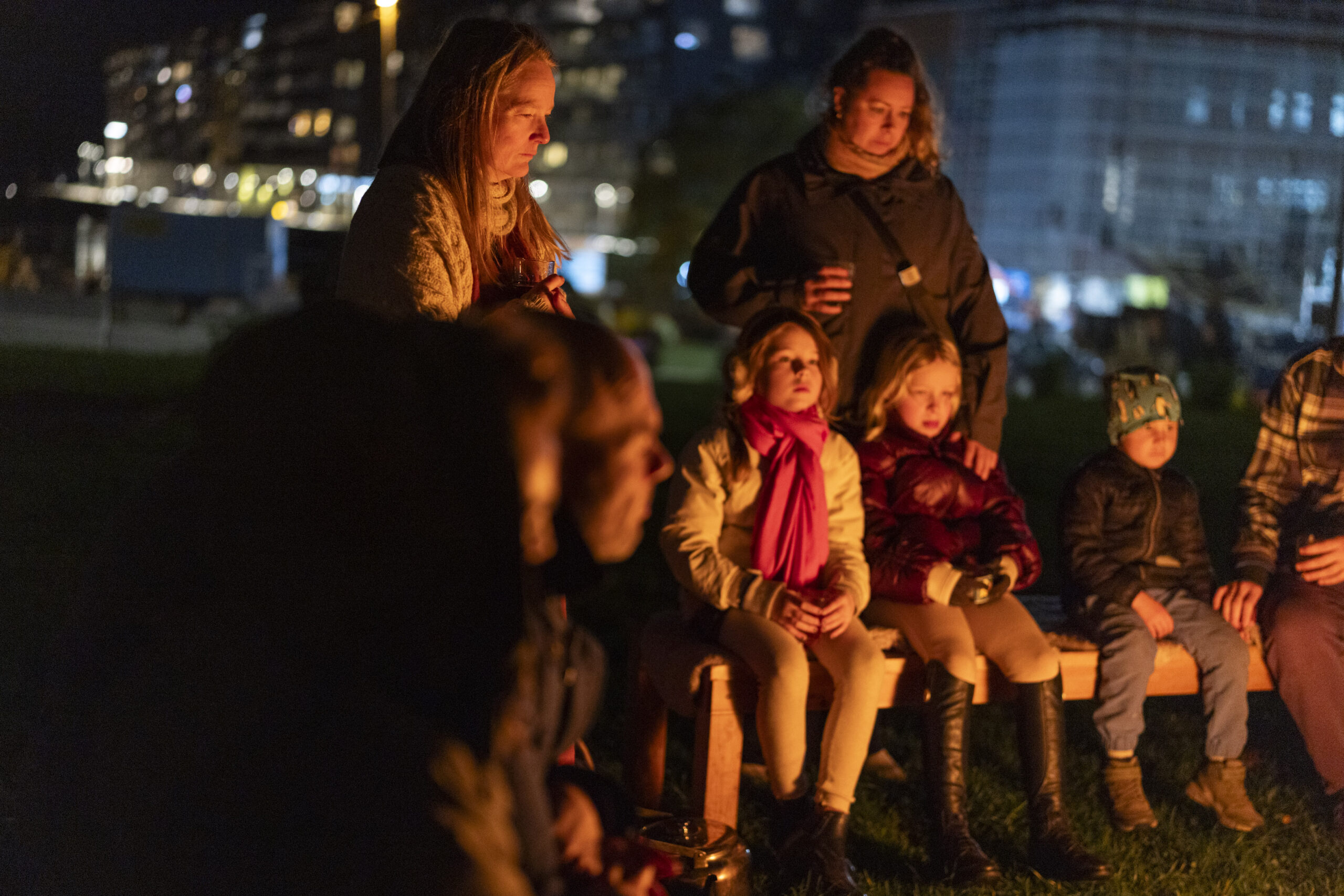
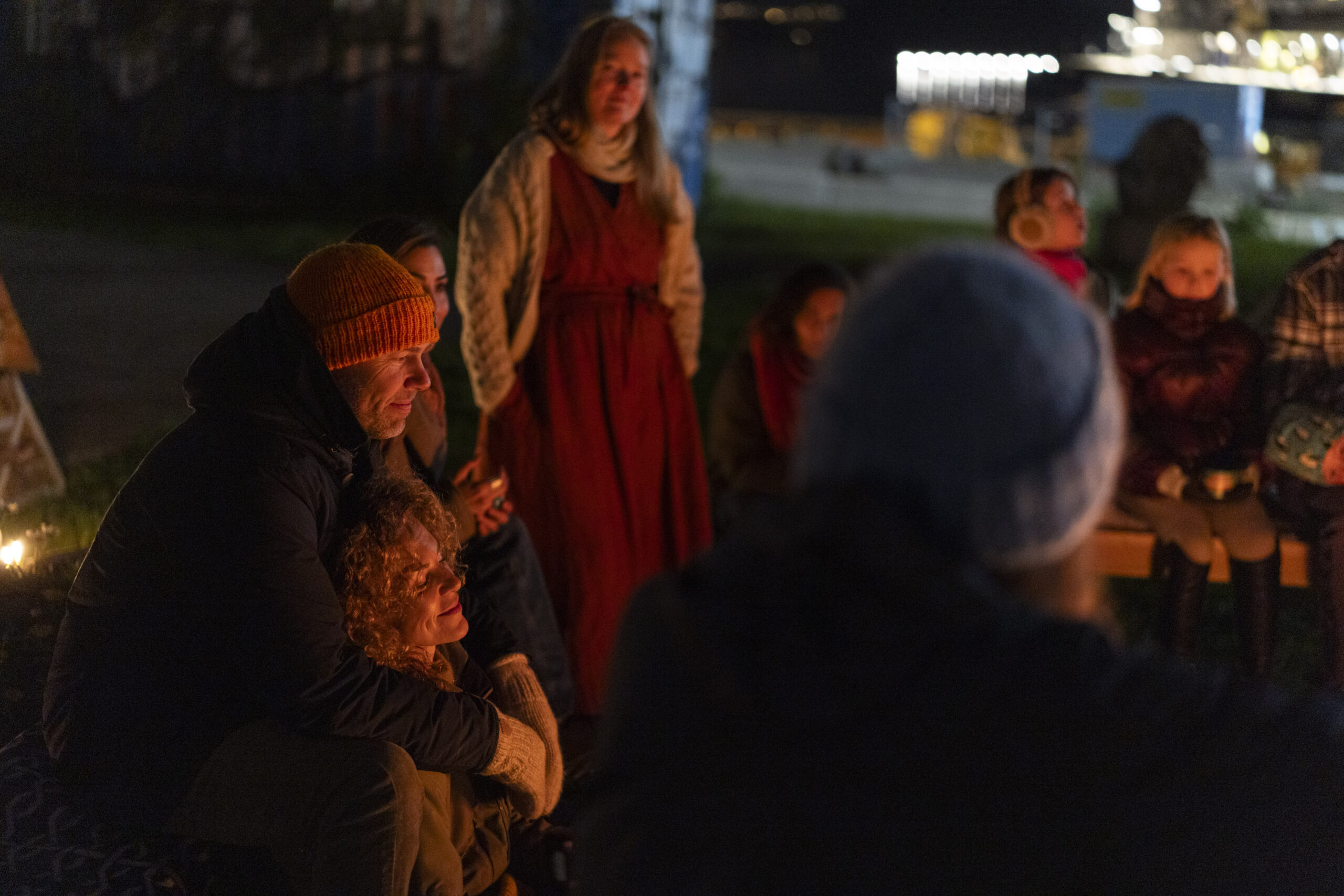
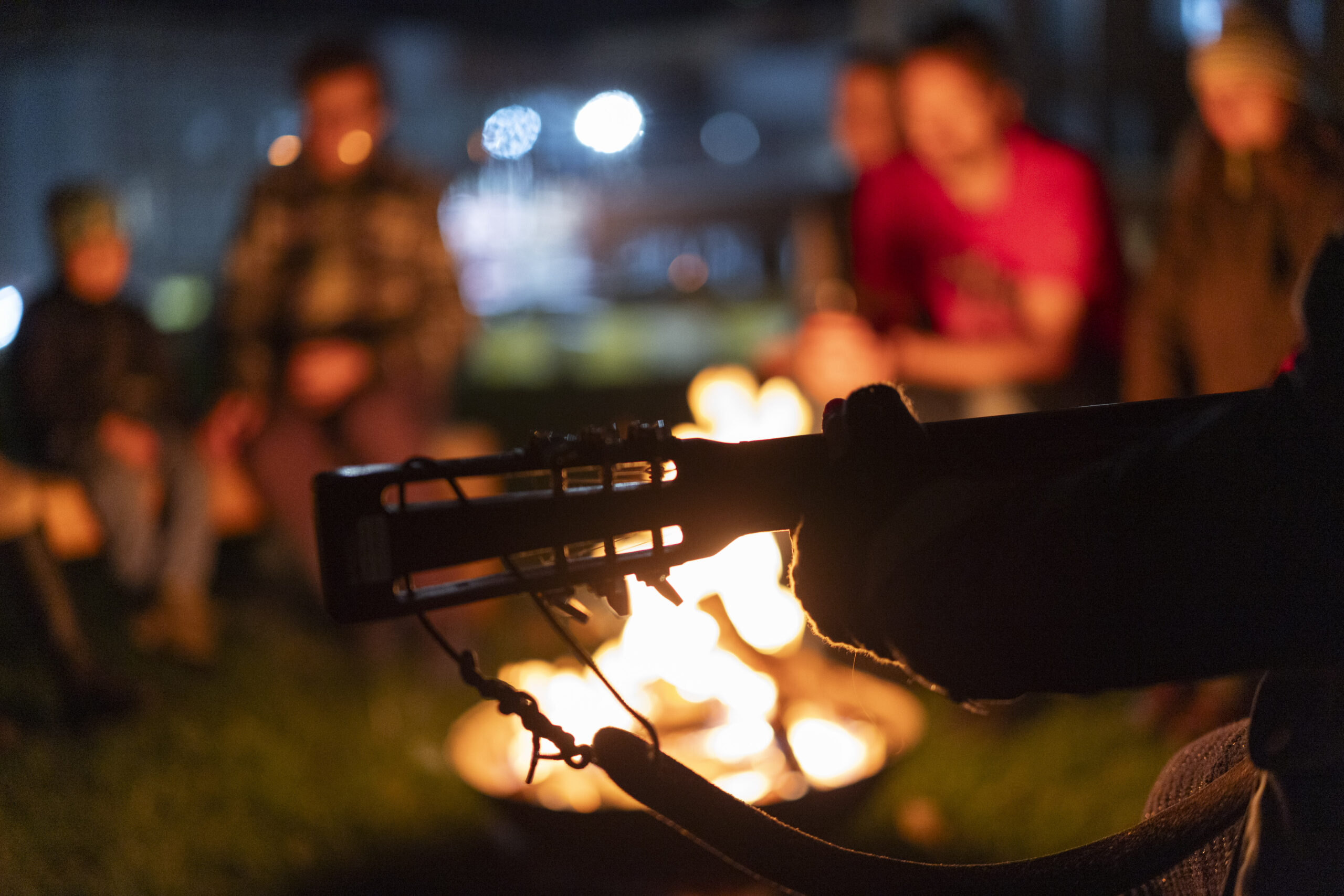
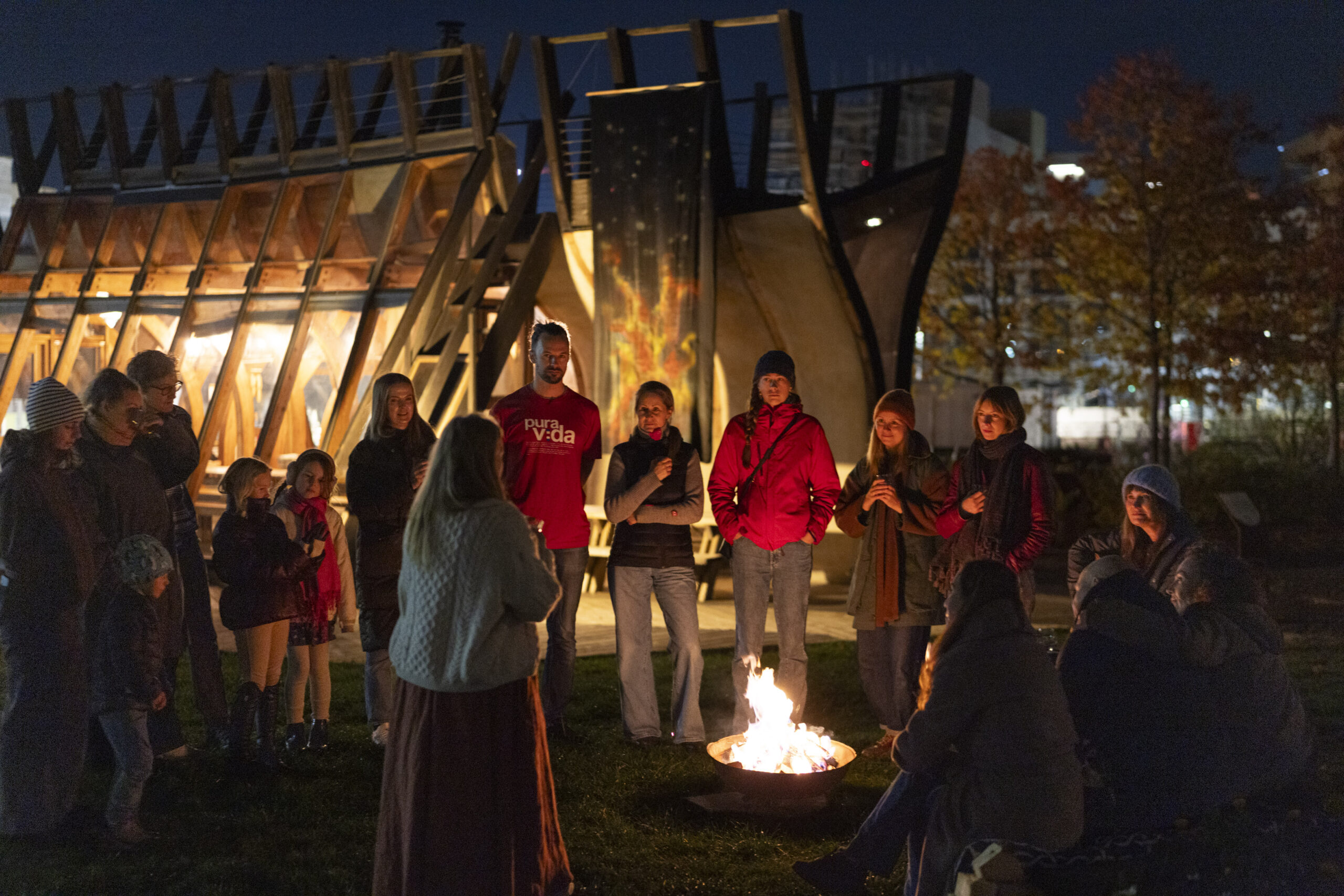
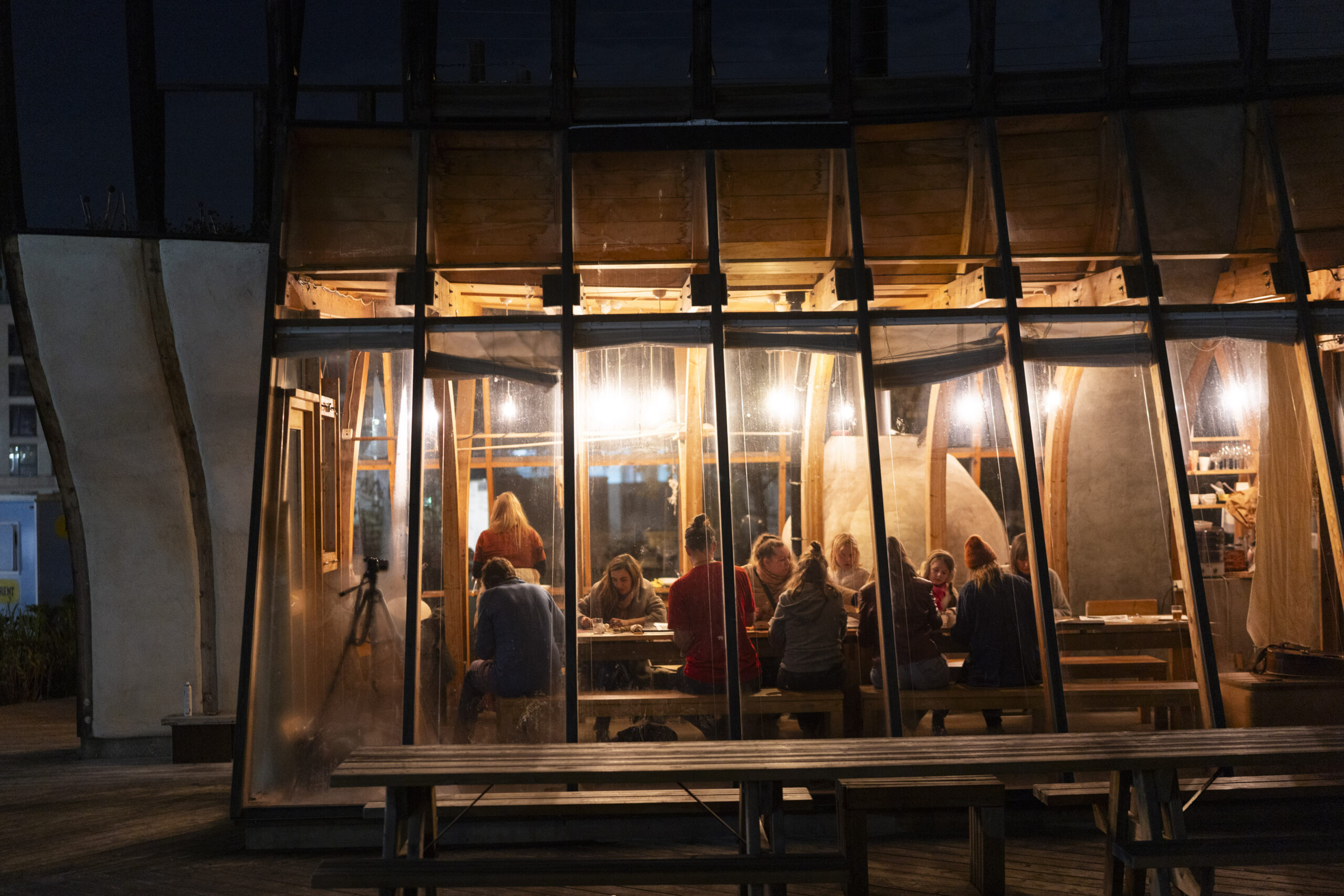
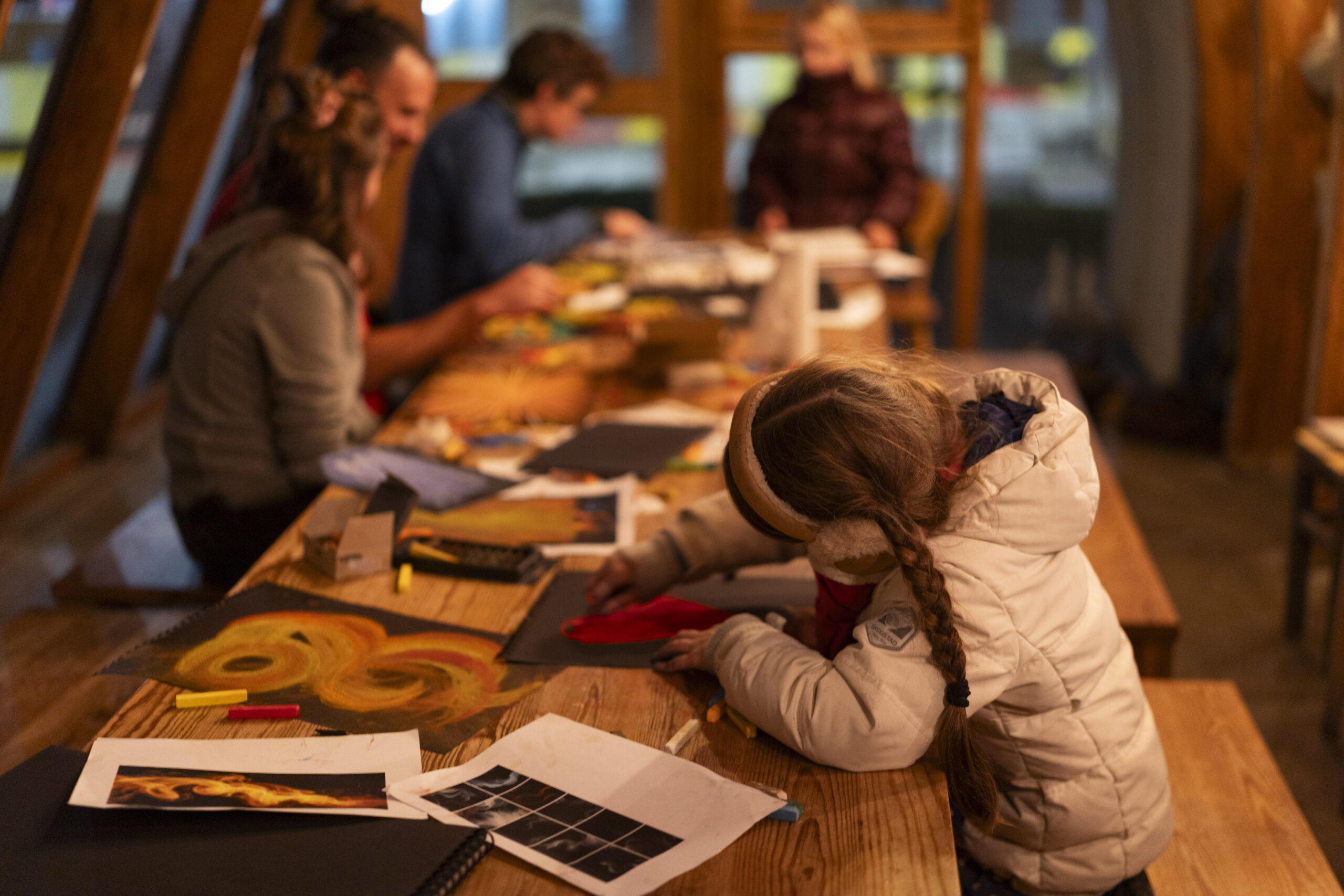
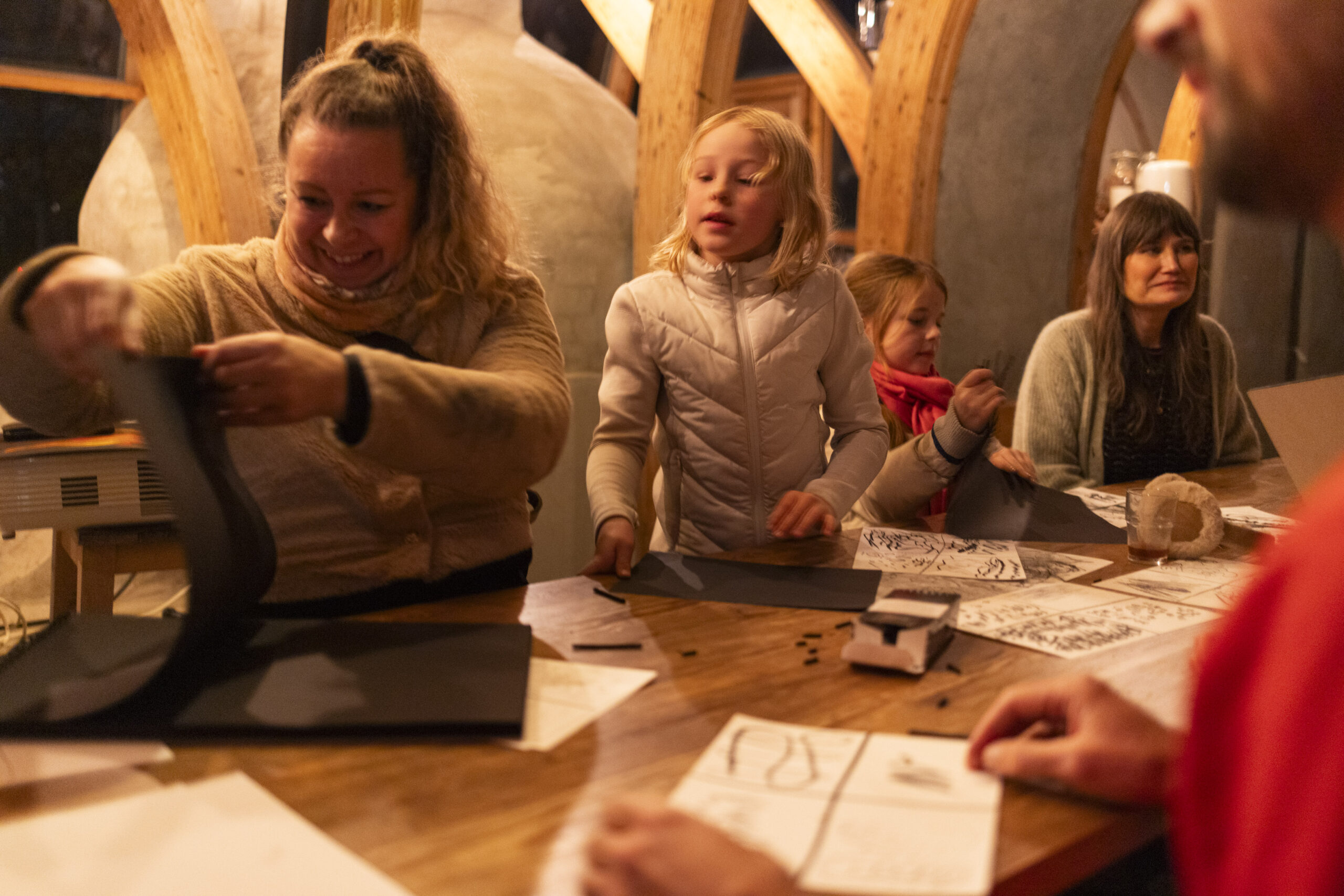
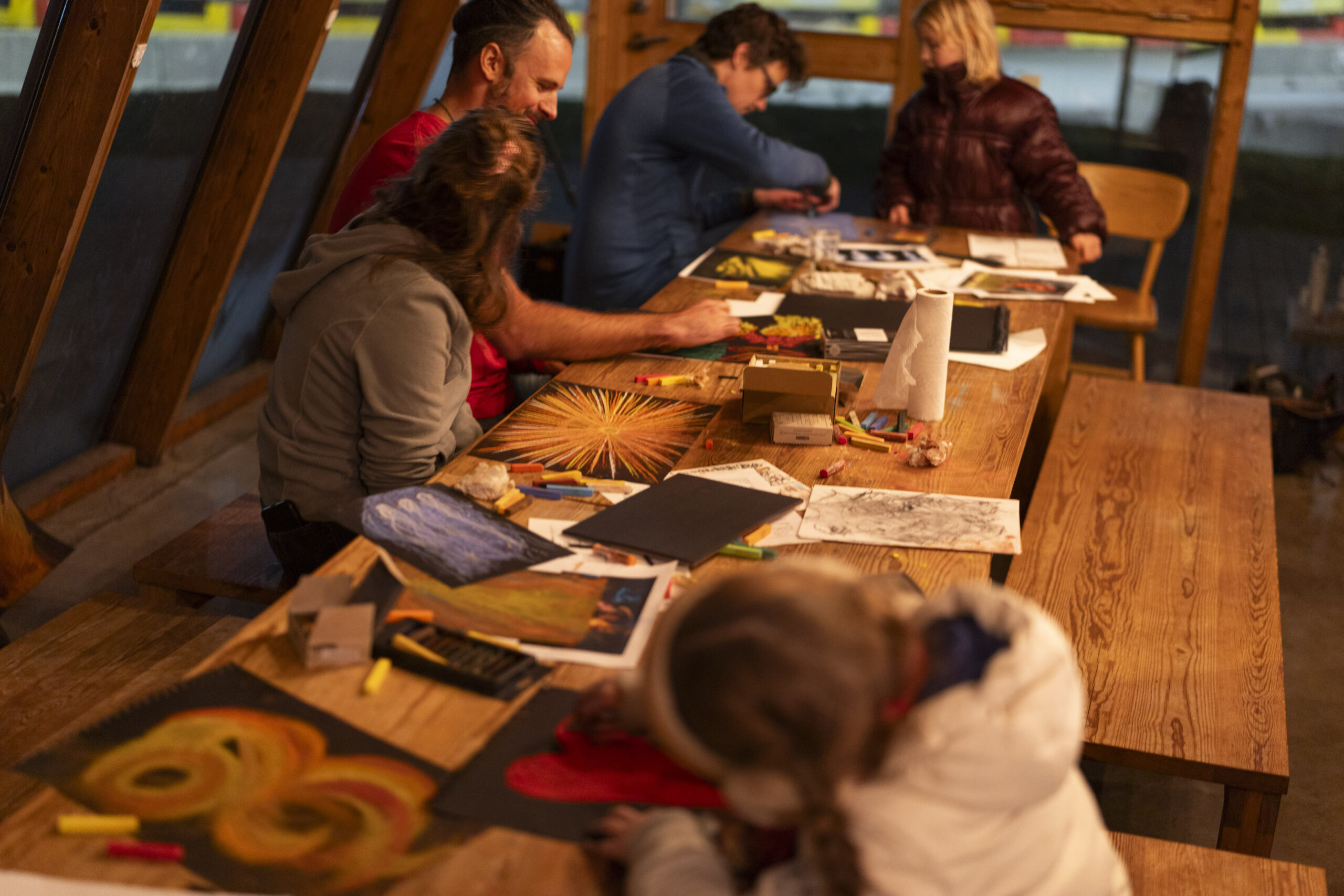
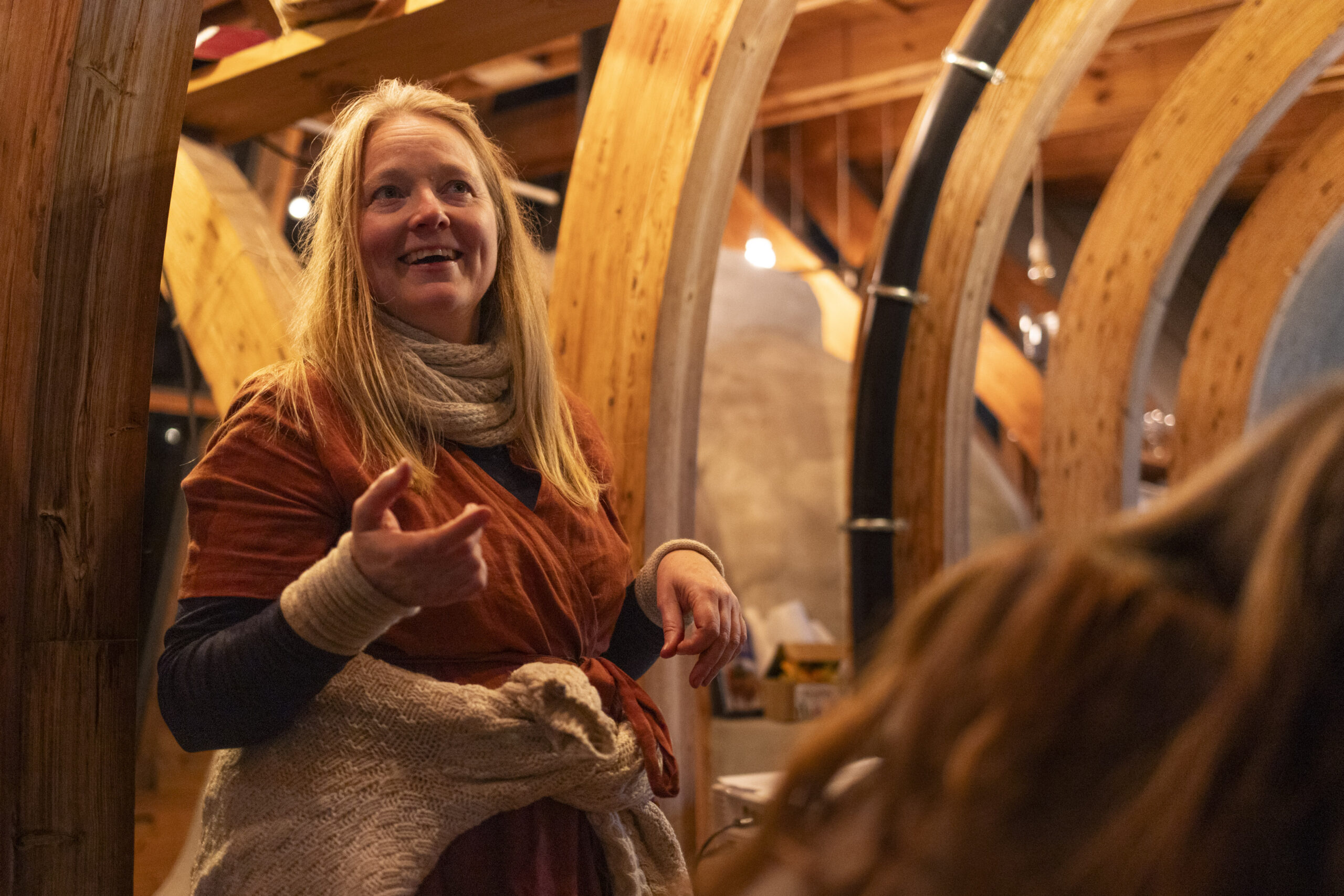
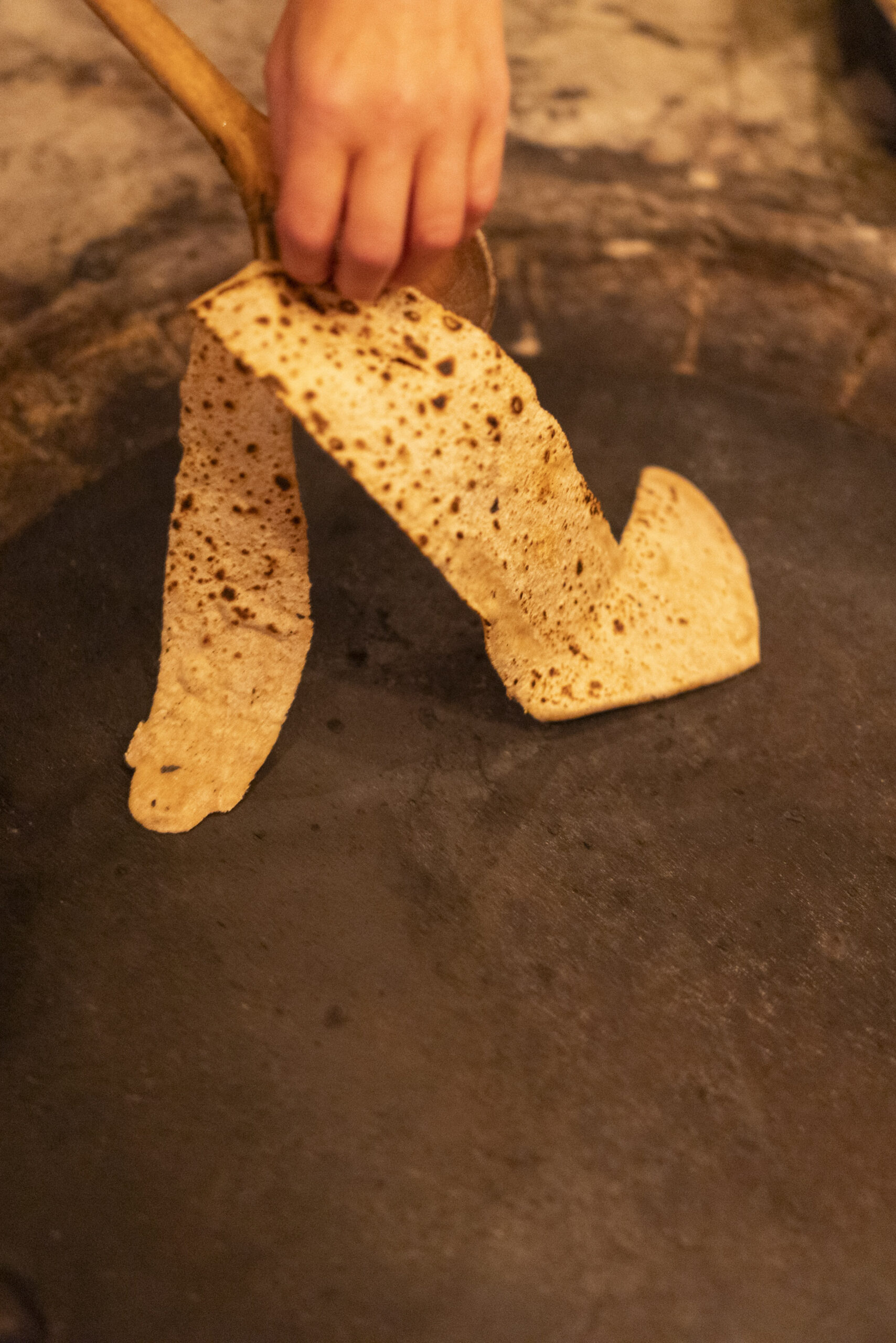
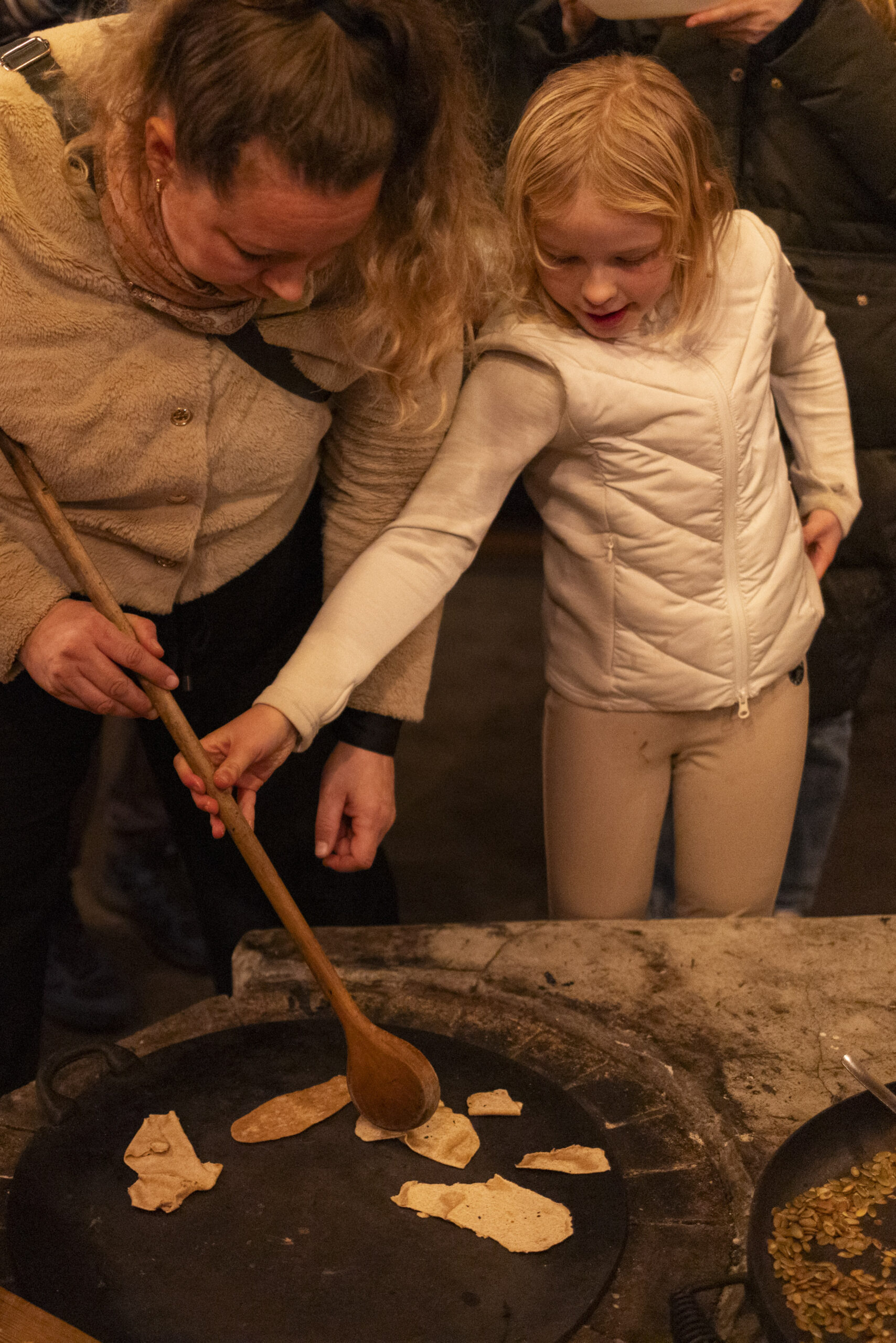
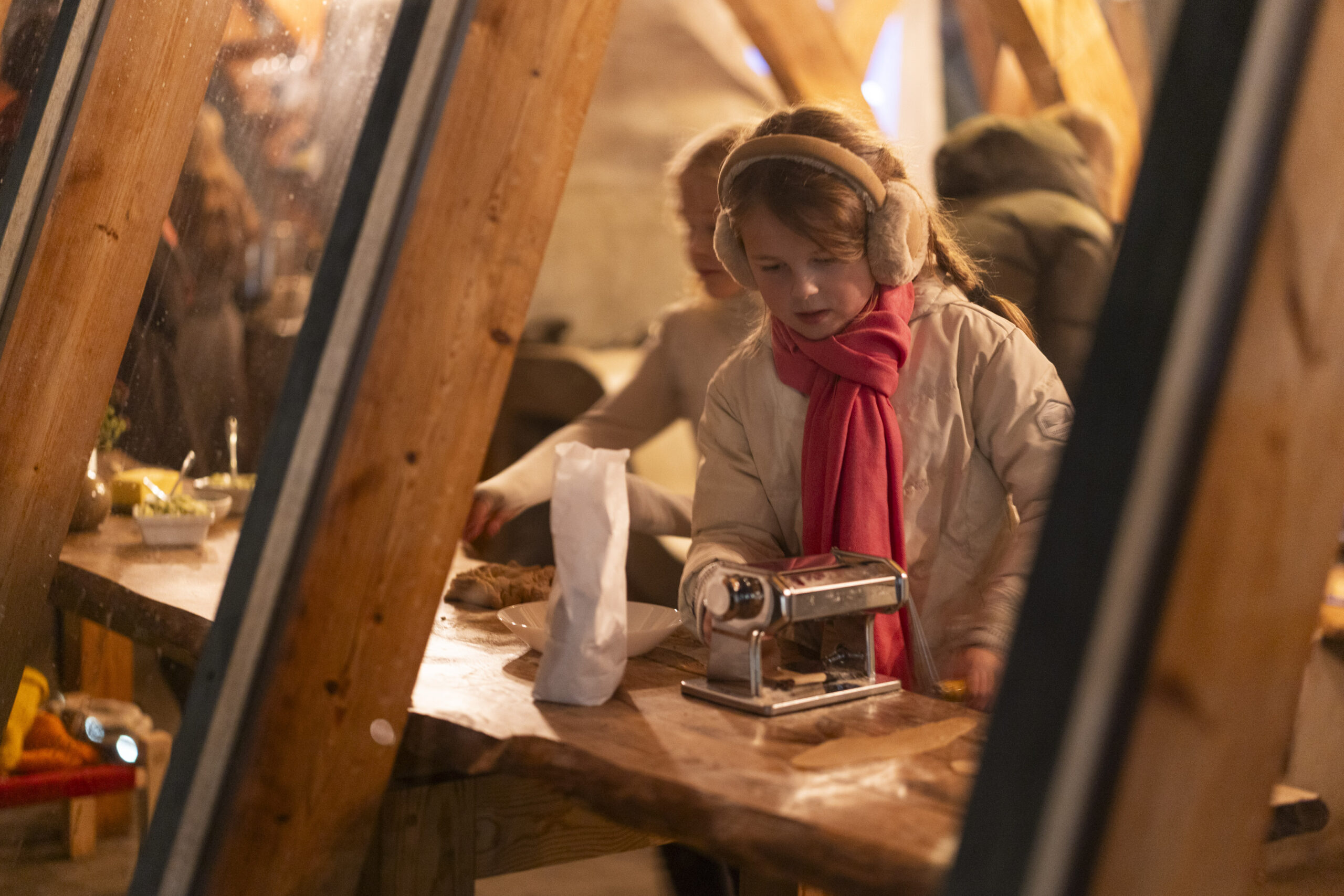
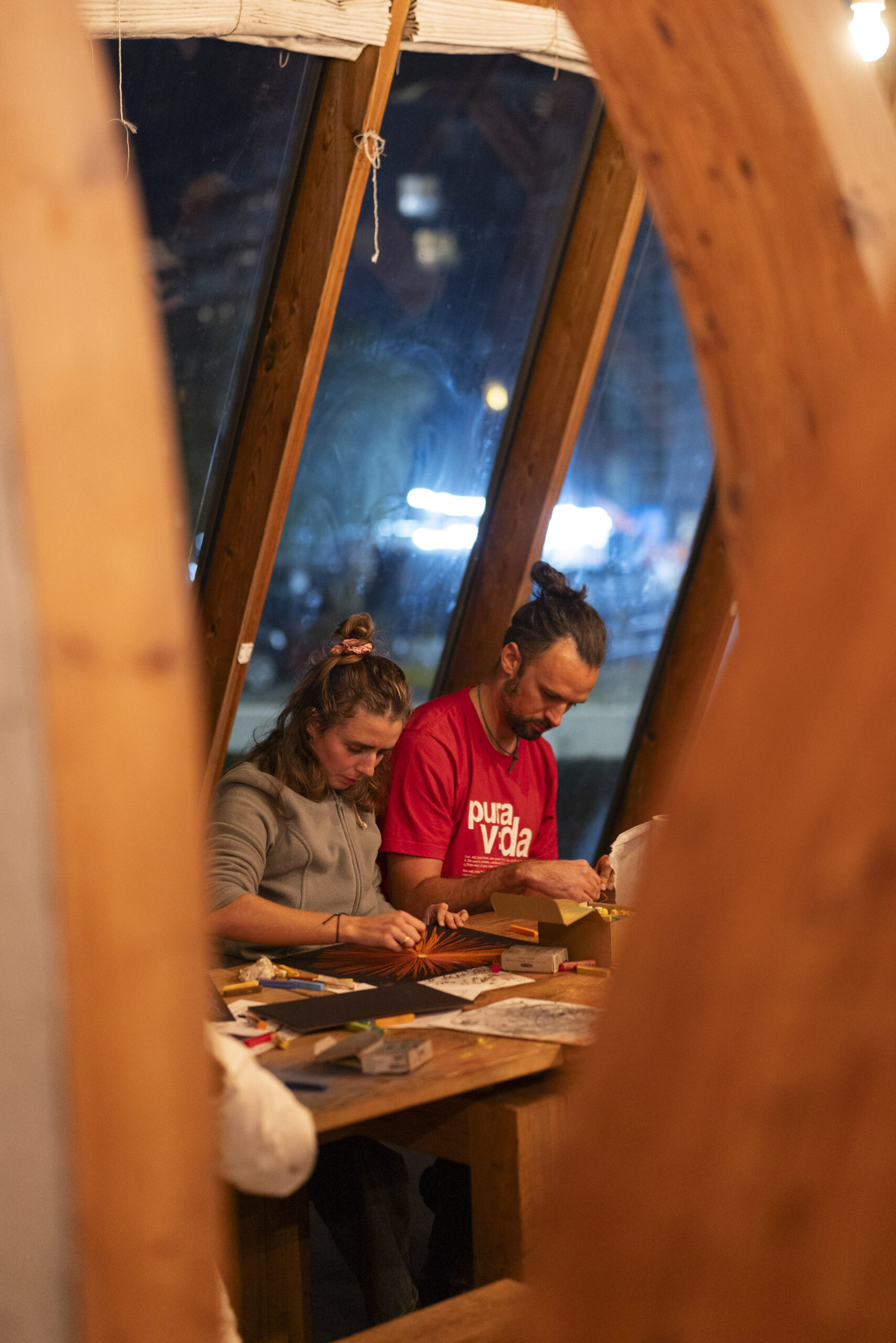
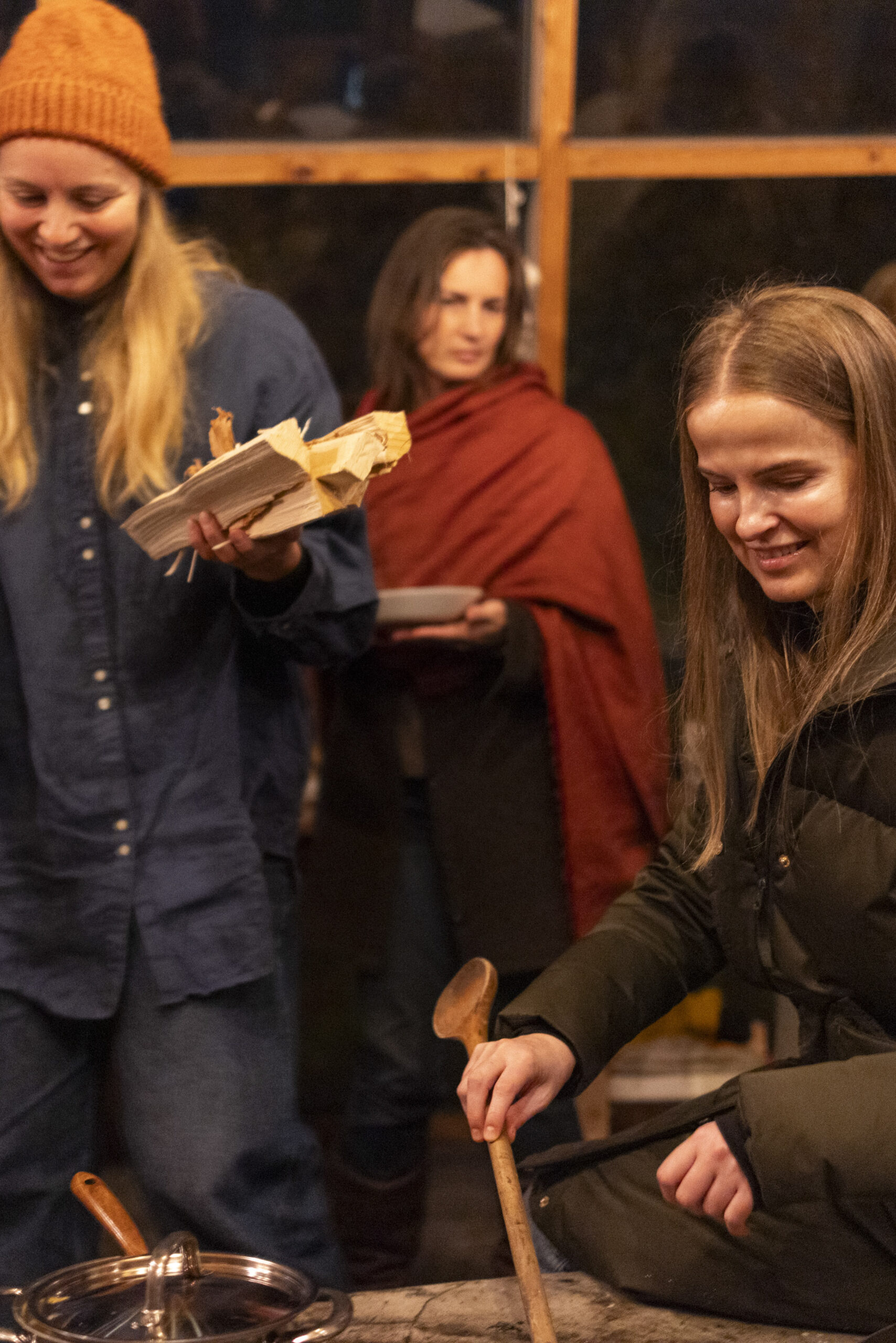
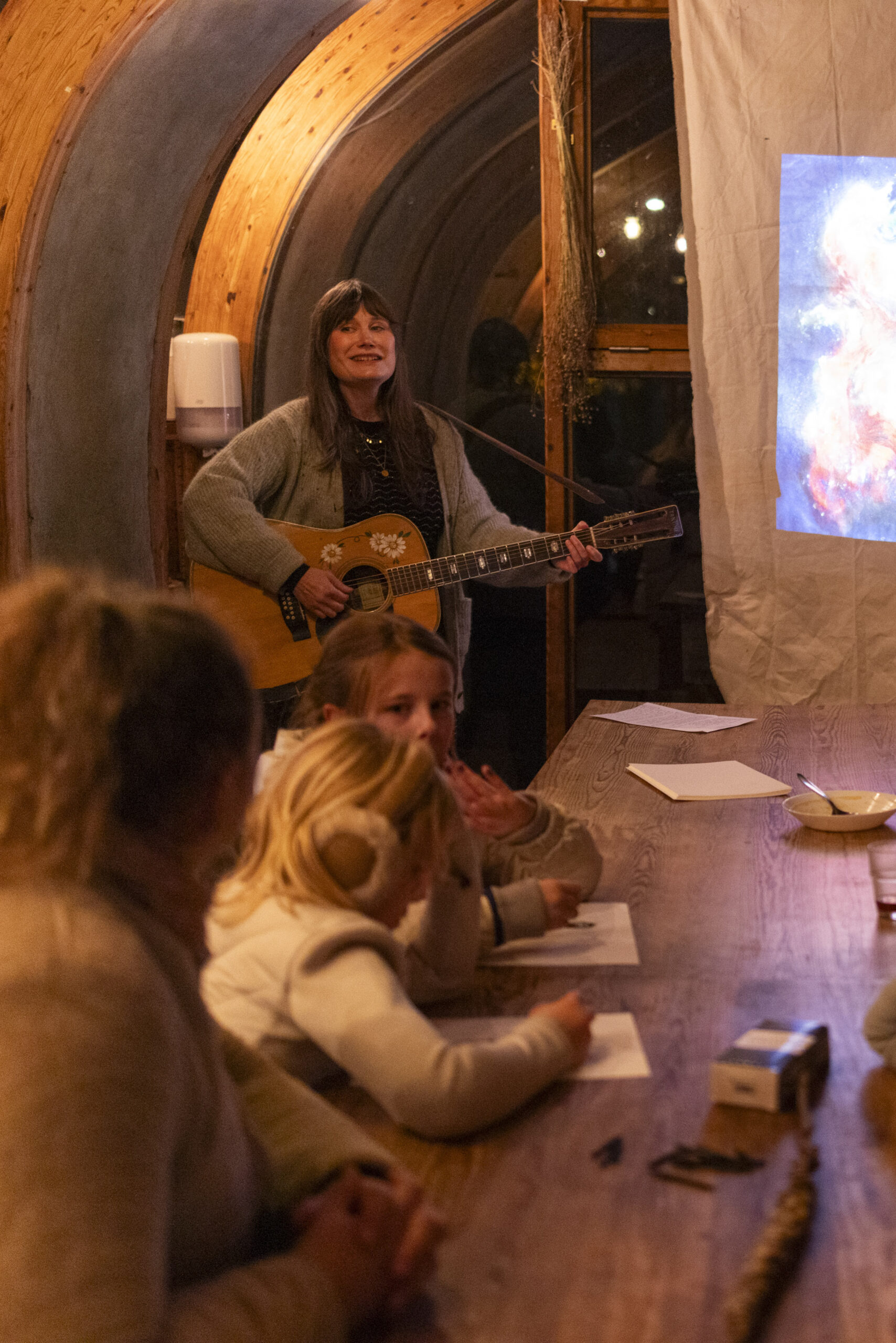
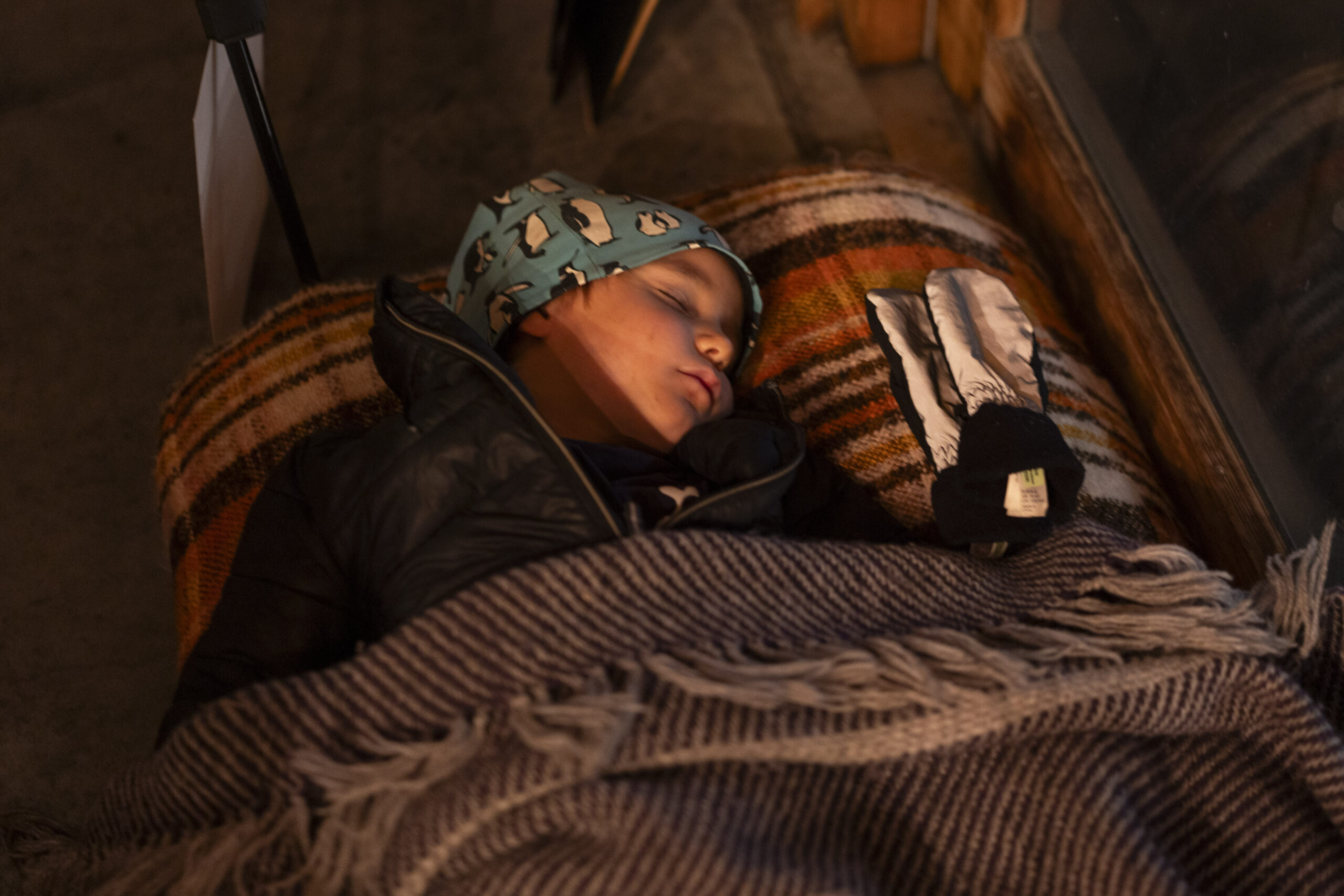
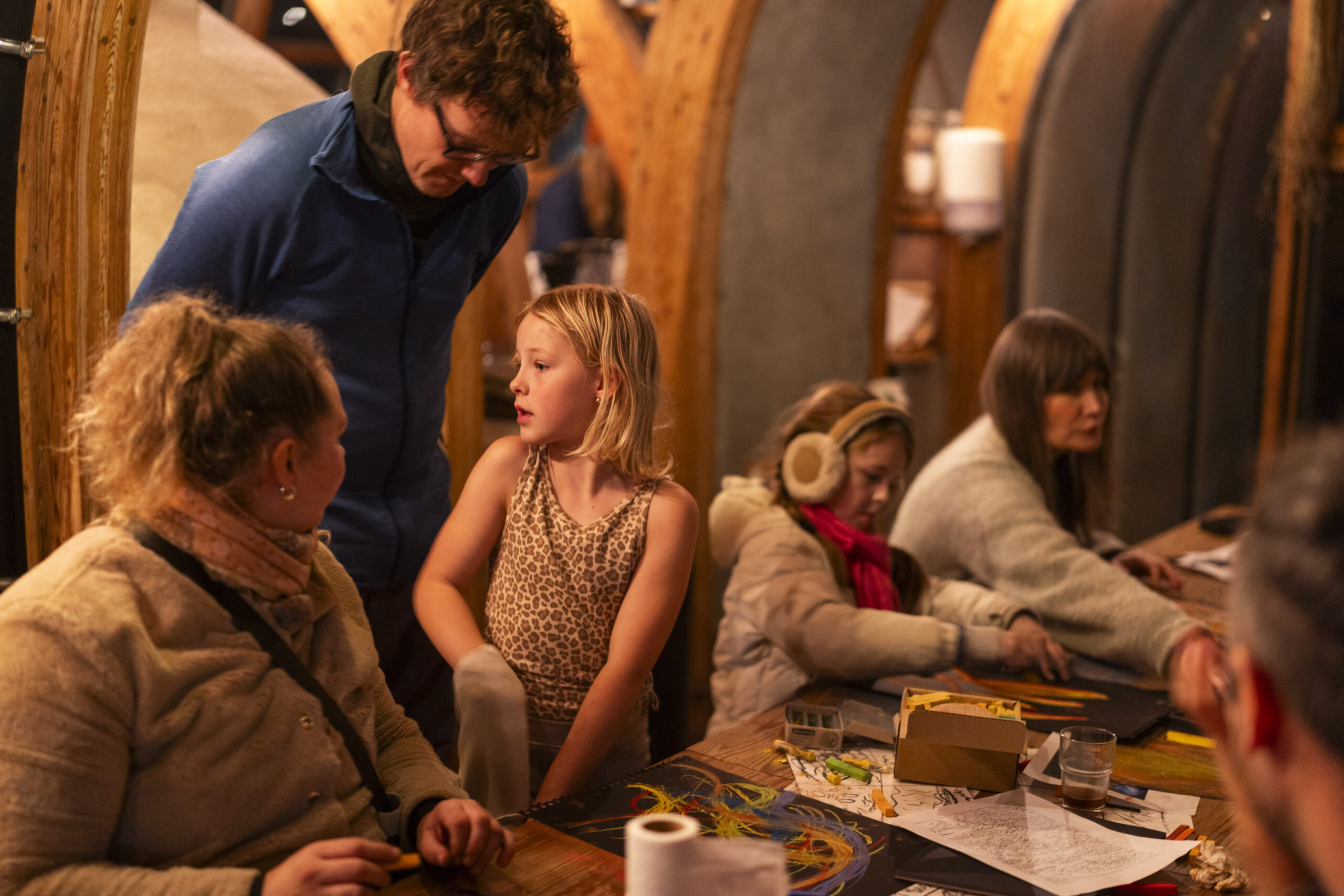
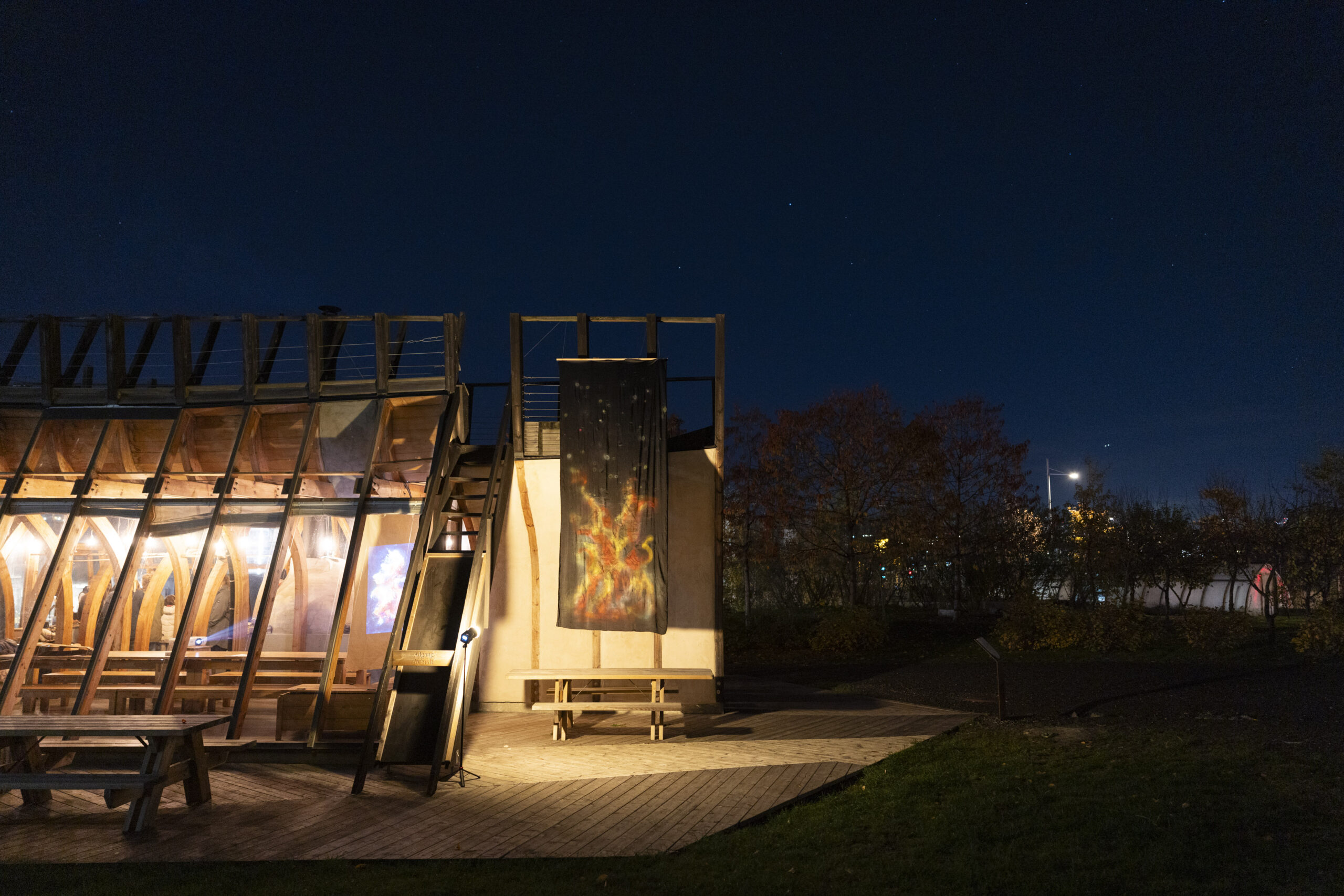
Art and food event at Losæter, Oslo 30 October 2026, Allehelgensaften
The evening was part of an art project by Tone Bjordam, Elin Eriksen, Hélène Arja Eie Falstad and Cecilie Dawes. Together we invite you into a series of rituals at Losæter in 2026, as a way of becoming more aware of the cultural heritage we carry in rituals from pre-Christian times that are now at risk of disappearing. It is from this period that we find many similarities between Norse and Sámi practice here in the North, but also parallels if we look to Vedic practice in India or Shinto in Japan.
Together, we want to explore this question:
«What function did rites have in society, and how can we reclaim them today in a meaningful way, one that is religiously neutral and speaks to the diversity the community in this place represents today?»
The artists
Elin Eriksen
Elin Eriksen is a professional artist, portrait painter and illustrator with a studio on Nesodden. She has five years of art education from Norway, England and Japan, and has exhibited in Japan, Brazil, Norway and England. She lived in London for 14 years, until 2012.
Plant Portrait is a series in which her relationship with plants comes through more clearly than before. Through realistic and more abstracted paintings, she seeks to capture the essence of the plant, its soul, inspired by Hilma af Klint and Georgia O’Keeffe. Like the painting Lilacs, which came to her as she stood for a long time with her eyes closed, breathing in the scent of lilac. A large painting of St John’s wort, a plant used to treat winter depression, hangs on the wall of her own studio through the winter to give a sense of sunlight. Eriksen loves to smell the wormwood growing outside her studio; its strong scent brings her back to the here and now.Late Summer Blend is an art and outreach project in which she created a tea blend meant to be flavourful and nourishing, supporting the immune system, the stomach and digestion, as well as the nerves and emotional health. She made 45 tea bags from plants she had grown or foraged herself, each hand printed with a linocut of a wild rose. Students from all over the world, studying leadership and sustainability at a German university, received the gift after a stay outside Oslo, and she shared her own experiences of working with herbs, plants and birds, and how she connects with different sides of nature. Her large paintings of yarrow and wormwood, both important in magic, were shown at Økouka in 2024. Eriksen recently took part in a panel conversation where she shared her journey with plants, and she has collaborated with the Norwegian Association for Mushrooms and Useful Plants.
Tone Bjordam
Tone Bjordam (b. 1975) has her studio in Nordmarka in Oslo. For many years she has collaborated with researchers, particularly in ecology, geology, biology and social and climate research. She has shown work in the Nordic countries, the Faroe Islands, Portugal, Germany, the Netherlands, Singapore, Uruguay, the USA and Canada. Recent highlights include solo exhibitions at Glasslåven, Hadeland (2025) and Bomuldsfabriken Kunsthall in Arendal (2024), and a performance at the Louisiana Museum of Modern Art in Denmark (2023).
Processes of change in nature are a recurring theme in Bjordam’s practice. She explores nature’s influence on people through both an abstract and a naturalistic visual language. For more than 20 years she has filmed and photographed movement and unfolding in flowing ink and paint. At a meditative pace, the viewer sees waterfalls of colour and pigment unfolding in water. The work grows out of a search for meditative and reflective states, the kind that often arise when we meet clouds, light phenomena, mountain formations, the sea or small details in the forest. The video Seasonal Transitions (2021) is inspired by the gradual shifts of the seasons from one state to another, with sounds of ice, stone, falling snow crystals, water and rushing rivers, lynx calls and birdsong. In the photo project Morf, transformations in lowland landscape (2021), we see a teeming biodiversity in the miniature landscapes of old stumps and upturned roots in the forest.
Bjordam has a long-standing collaboration with the dancer Anna Asplind. Together they explore how physically mirroring movements and forms in nature can bring us closer to understanding and connecting with the landscapes around us. Bjordam believes art has enormous potential to bridge our understanding of the world and the feelings needed for good processes of change to take place.
Cecilie Dawes
Cecilie Dawes (b. 1982) is the founder of Food Studio. She has worked internationally and across disciplines to create experiences centred on sensory encounters with food and nature. Among them are get away Merri Creek as part of the Melbourne Food and Wine Festival, get away Awaji Island in collaboration with Graf and Masayo Funakoshi, the curated food experience for Soil Procession Losæter, The Last Supper Losæter, and The Final Feast for Oslo’s year as European Green Capital.
She was part of the New Nordic movement in the Nordic food scene. In 2025 the National Museum highlighted the work of this movement: «Taking local landscapes as its starting point, the movement created a distinctive aesthetic that came to life in dishes, tableware and restaurant interiors. Natural materials such as stone, moss and untreated wood, along with handmade ceramics, muted natural colours and wild plants as decoration, were recurring elements. The exhibition shows how the food movement developed in parallel with a growing interest in ecology, nature and a sense of place in society.» The exhibition later travelled to the National Nordic Museum in Seattle.
Workshop & ritual: Elin T. Eriksen
Autumn harvest meal: Cecilie Dawes
Music: Tone Bjordam
Photography: Jo Straube